Apr. 16, 2026
In the world of industrial piping and fluid handling, managing vibration, thermal expansion, and misalignment is critical for system longevity. A high-quality China rubber joint serves as a vital flexible connector, absorbing shocks and preventing pipe fractures. Whether you are dealing with HVAC systems, water treatment plants, or chemical processing, selecting the right expansion joint can save thousands in maintenance costs. In this comprehensive guide, we will explore the technical advantages, material options, and selection criteria to help you optimize your piping infrastructure with professional-grade solutions.
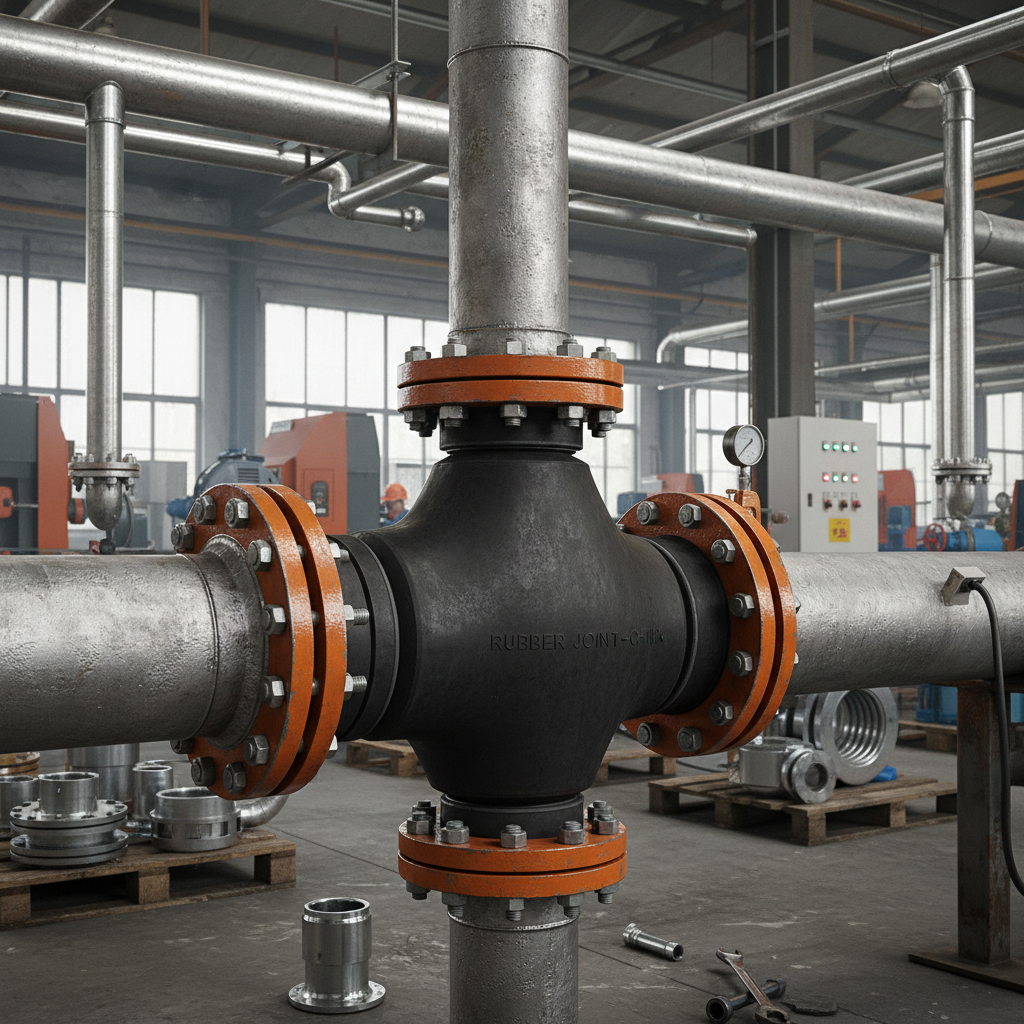
The primary function of a China rubber joint is to provide flexibility in a rigid piping system. Unlike metal connectors, rubber joints are specifically engineered to dampen noise and vibration originating from pumps or compressors. This not only protects the surrounding equipment from structural fatigue but also ensures a quieter working environment. Furthermore, they compensate for thermal expansion and contraction, which occurs naturally when fluids change temperature, thereby reducing the stress on flanges and valves.
Core Benefits: Significant reduction in acoustic noise, effective absorption of axial and lateral movement, and ease of installation compared to traditional bellows.
Not all rubber is created equal. Depending on the medium being transported, different elastomers are used to ensure chemical compatibility and temperature resistance. For instance, EPDM is the gold standard for water and steam applications, while Nitrile (NBR) is preferred for oil-based systems. Choosing a China rubber joint with the correct material prevents premature degradation and leaks. High-performance joints often incorporate reinforced synthetic fabrics to increase pressure ratings without sacrificing flexibility.
Material Compatibility Guide:
• EPDM: Best for hot water, weather resistance, and dilute acids.
• NBR (Nitrile): Ideal for oils, fuels, and hydrocarbons.
• Neoprene: Versatile choice for general purpose and seawater.
• Viton/FKM: Specialized for extreme heat and aggressive chemicals.
When sourcing a China rubber joint, technical data is the only way to guarantee safety. Engineers must look at pressure ratings (PN10, PN16, etc.) and the range of motion the joint can handle. The following table outlines the standard specifications for our most common industrial rubber joints, highlighting the balance between diameter and pressure capacity.
Even the highest quality China rubber joint can fail if installed incorrectly. One of the most common mistakes is over-tightening the flange bolts, which can deform the rubber body and lead to premature leaks. It is essential to tighten bolts in a cross-pattern to ensure even pressure distribution. Additionally, the use of control rods is highly recommended for high-pressure systems to prevent "blow-out" or excessive elongation of the joint under load.
When designing a system, engineers often debate between rubber joints and stainless steel bellows. While metal bellows handle extreme temperatures and ultra-high pressures, the China rubber joint is far superior in vibration damping and cost-effectiveness for medium-duty applications. Rubber joints are also more forgiving of slight angular misalignments during installation, making them a more practical choice for most commercial and industrial water systems.
To maximize the return on investment, regular inspections of your China rubber joint are necessary. Check for signs of "checking" or cracking on the outer surface, which indicates UV degradation or chemical attack. Because rubber is an organic material, it will eventually age. However, by utilizing high-grade compounds and ensuring the joint is not stressed beyond its design limits, you can extend the service life significantly. Periodic bolt torque checks ensure that the seal remains tight without crushing the rubber liner.
Investing in a premium China rubber joint is a strategic decision for any facility manager. By effectively managing vibration, thermal expansion, and noise, these components protect your most expensive piping assets from catastrophic failure. When selecting your next joint, remember to prioritize material compatibility and adhere to strict installation guidelines. Visit Hebei Fitting to explore professional-grade solutions tailored to your specific industrial needs.
Determining the correct size starts with identifying the nominal diameter (DN) of your existing pipes. You must also verify the flange standard (such as ANSI, DIN, or JIS) to ensure the bolt holes align perfectly. Beyond size, consider the "face-to-face" length of the joint, as this affects how much space is available in your piping layout. We recommend consulting a technical drawing of your system or contacting a specialist at Hebei Fitting to ensure a precise fit and avoid costly installation errors.
Yes, but only if the correct material and reinforcement are used. Standard rubber may fail under high-temperature steam, but EPDM-based China rubber joints are specifically designed to handle steam and hot water. It is critical to check the temperature and pressure ratings of the specific joint. For extreme steam applications, reinforced rubber or specialized bellows may be required. Always ensure the pressure does not exceed the rated PN (Pressure Nominal) value to prevent the joint from bursting.
The most common causes of failure are chemical incompatibility, over-tightening of bolts, and excessive movement. If an EPDM joint is exposed to oil, the rubber will swell and soften, leading to a rupture. Over-tightening crushes the rubber seal, creating a path for leaks. Additionally, if the piping system moves more than the joint's rated axial or lateral compression limit, the material will tear. Regular inspections and following the manufacturer's installation torque specifications are the best ways to prevent these issues.
Control rods (also known as tie rods) are highly recommended for any system operating under significant pressure. Their primary purpose is to limit the amount of elongation the China rubber joint undergoes when the system is pressurized. Without these rods, the joint can stretch excessively, putting dangerous stress on the flanges and increasing the risk of a blow-out. While they slightly reduce the flexibility of the joint, the added safety and structural stability they provide are indispensable in industrial settings.
Mar 27,26
Reliable Custom Grooved Rigid Coupling Solutions for Critical Piping Systems
Mar 10,26
Comprehensive Guide to Malleable Iron Fittings for Petrochemical Industry Applications
Mar 07,26
Comprehensive Guide to Durable Malleable Iron Fittings for HVAC System Applications
Mar 14,26
Hebei Fitting Your Premier Malleable Iron Pipe Fittings Factory Source
Mar 13,26
Malleable Iron Fittings Robust Connections for Industrial Excellence
May 06,26
High Precision Custom ODM stainless tube and fittings Solutions
Stay Updated with Us