In the complex landscape of industrial piping and fluid handling, the China rubber joint has emerged as a critical component for ensuring system stability and longevity. These flexible connectors are engineered to absorb vibrations, compensate for thermal expansion, and mitigate the impact of structural movement, preventing catastrophic pipe failures in high-pressure environments.
Globally, the demand for high-quality flexible couplings has surged as infrastructure projects become more ambitious and industrial standards more stringent. By integrating a China rubber joint, engineers can significantly reduce the mechanical stress on pumps, valves, and rigid piping, leading to decreased maintenance costs and enhanced operational safety.
Understanding the nuances of material selection, pressure ratings, and installation techniques is essential for maximizing the lifecycle of these components. Whether used in municipal water works or heavy chemical processing, the right rubber joint serves as the invisible safeguard that maintains the integrity of the entire fluid transport network.
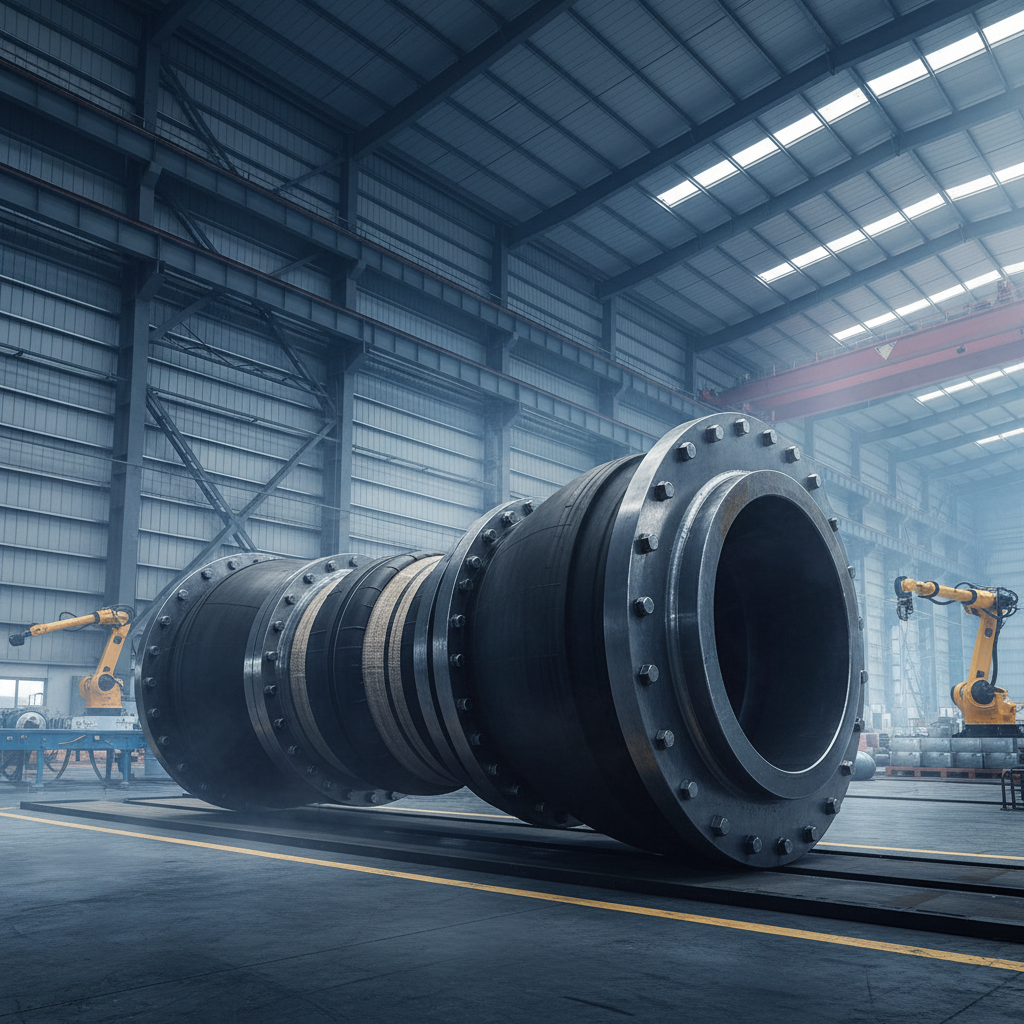
Global Industry Context of China Rubber Joint
The global industrial landscape is currently witnessing a massive shift toward high-efficiency fluid management systems, where the China rubber joint plays a pivotal role. According to ISO standards for piping components, the ability to manage vibration and misalignment is no longer optional but a requirement for safety compliance in modern manufacturing plants.
As emerging economies expand their industrial bases, the reliance on scalable and cost-effective sealing solutions has grown. The challenge often lies in balancing the high pressure of industrial pumps with the inherent rigidity of steel pipes; without a flexible interface, the risk of fatigue cracking increases exponentially over time.
Defining the China Rubber Joint and Its Purpose
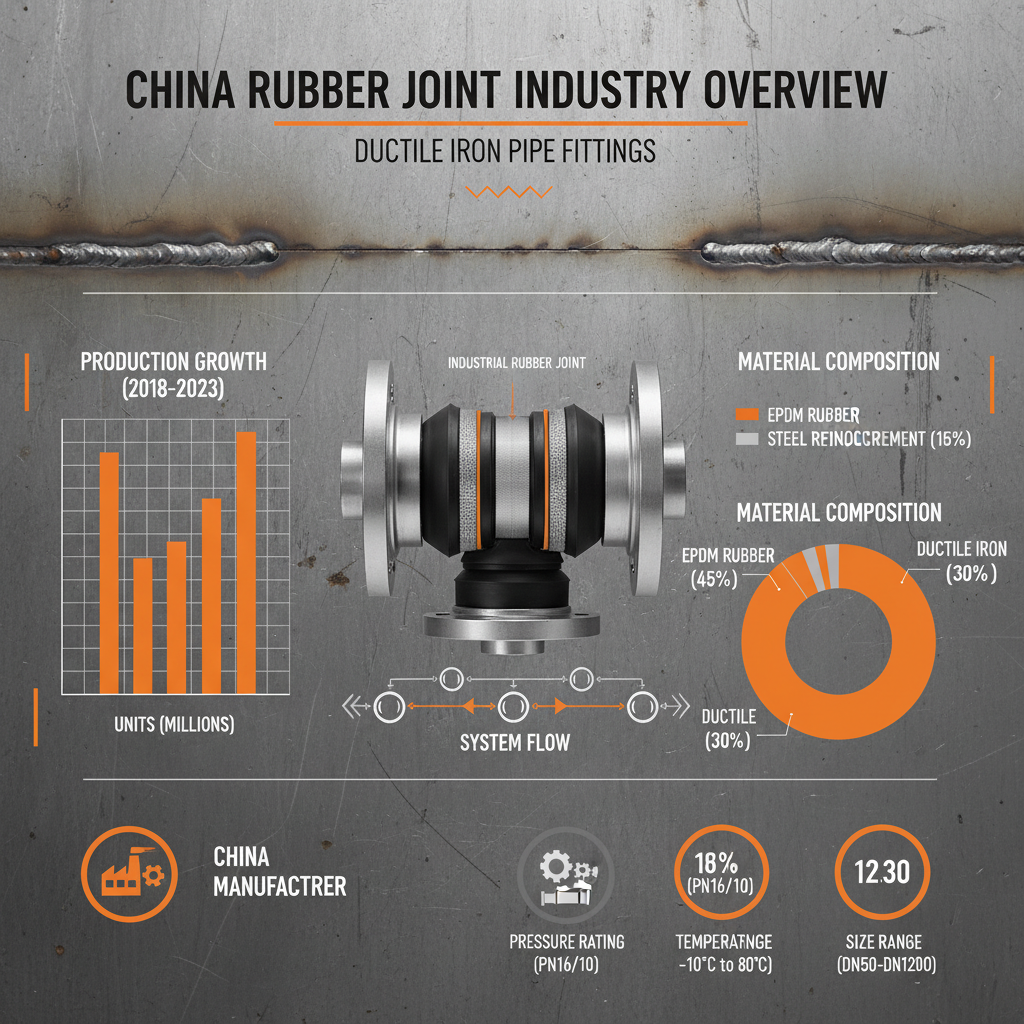
At its core, a China rubber joint is a flexible connector made from an elastomeric body reinforced with synthetic fibers or steel wire, designed to be installed between two rigid pipe sections. Its primary purpose is to decouple the piping system from vibrations generated by machinery, such as compressors and pumps, thereby protecting the rest of the infrastructure from mechanical shock.
Beyond vibration damping, these joints serve a critical humanitarian and industrial need by ensuring the reliability of water distribution systems in disaster-prone areas. In regions susceptible to seismic activity or soil subsidence, the flexibility of a rubber joint allows the pipeline to bend slightly without leaking, maintaining the flow of essential fluids to populations in need.
Modern iterations of these joints are tailored for specific chemical environments, utilizing materials like EPDM, NBR, or Viton to resist corrosion. This versatility makes them indispensable in sectors ranging from wastewater treatment to high-purity pharmaceutical manufacturing, where a single leak could result in significant environmental or financial loss.
Key Factors for Performance and Reliability
Durability is the foremost consideration when selecting a China rubber joint. The interaction between the rubber compound and the fluid temperature determines the lifespan of the joint; high-grade elastomers are essential to prevent premature hardening or "dry rot" in outdoor installations.
Scalability and compatibility are equally vital. A professional China rubber joint must be compatible with various flange standards (such as ANSI, DIN, or JIS) to ensure a leak-proof seal across different international hardware specifications, reducing installation time and errors.
Cost efficiency is realized through the reduction of overall system downtime. By investing in a high-performance China rubber joint, operators avoid the exorbitant costs associated with emergency pipe repairs and production halts, creating a long-term economic advantage through preventative engineering.
Global Applications and Use Cases
The practical application of the China rubber joint spans across diverse global environments. In heavy industrial zones, such as the petrochemical hubs of the Middle East, these joints are used to handle the thermal expansion of pipes transporting volatile fluids under extreme temperature swings.
In urban infrastructure, municipal water authorities in Southeast Asia utilize these flexible connectors to integrate new piping into aging networks. For instance, during post-disaster relief operations, rapid-deployment water systems often rely on these joints to connect temporary pumps to existing mains without requiring precision alignment.
Performance Efficiency of China Rubber Joint Materials
Long-Term Value and Technical Advantages
The tangible benefits of implementing a high-quality China rubber joint extend far beyond simple leak prevention. From a logical standpoint, the reduction in noise pollution in industrial settings improves worker safety and comfort, while the prevention of water hammer effects protects expensive valves and gauges from sudden pressure spikes.
From an emotional and strategic angle, the reliability of these joints fosters trust between contractors and clients. Knowing that a system is equipped with a robust China rubber joint provides peace of mind, ensuring that critical operations—such as cooling systems in data centers or water supply in hospitals—remain uninterrupted.
Future Trends in Rubber Joint Technology
The evolution of the China rubber joint is currently being driven by the global push toward sustainability and "green" engineering. We are seeing a shift toward bio-based elastomers and recyclable rubber composites that maintain high pressure resistance while reducing the carbon footprint associated with petroleum-based rubber production.
Digital transformation is also entering the piping sector through the integration of "smart" sensors embedded within the rubber joint walls. These sensors can monitor real-time stress, deformation, and wear, alerting operators via IoT platforms before a failure occurs, thus moving maintenance from a reactive to a predictive model.
Furthermore, automation in the manufacturing process of these joints is enhancing precision. Advanced molding techniques allow for more consistent wall thickness and reinforcement placement, ensuring that every China rubber joint meets exact tolerances, which is crucial for high-vacuum or ultra-high-pressure applications.
Common Challenges and Engineering Solutions
One of the most persistent challenges in the field is the phenomenon of "blow-out" or joint rupture caused by over-extension. This often occurs when the China rubber joint is installed without proper control rods, allowing the internal pressure to push the joint beyond its physical limits.
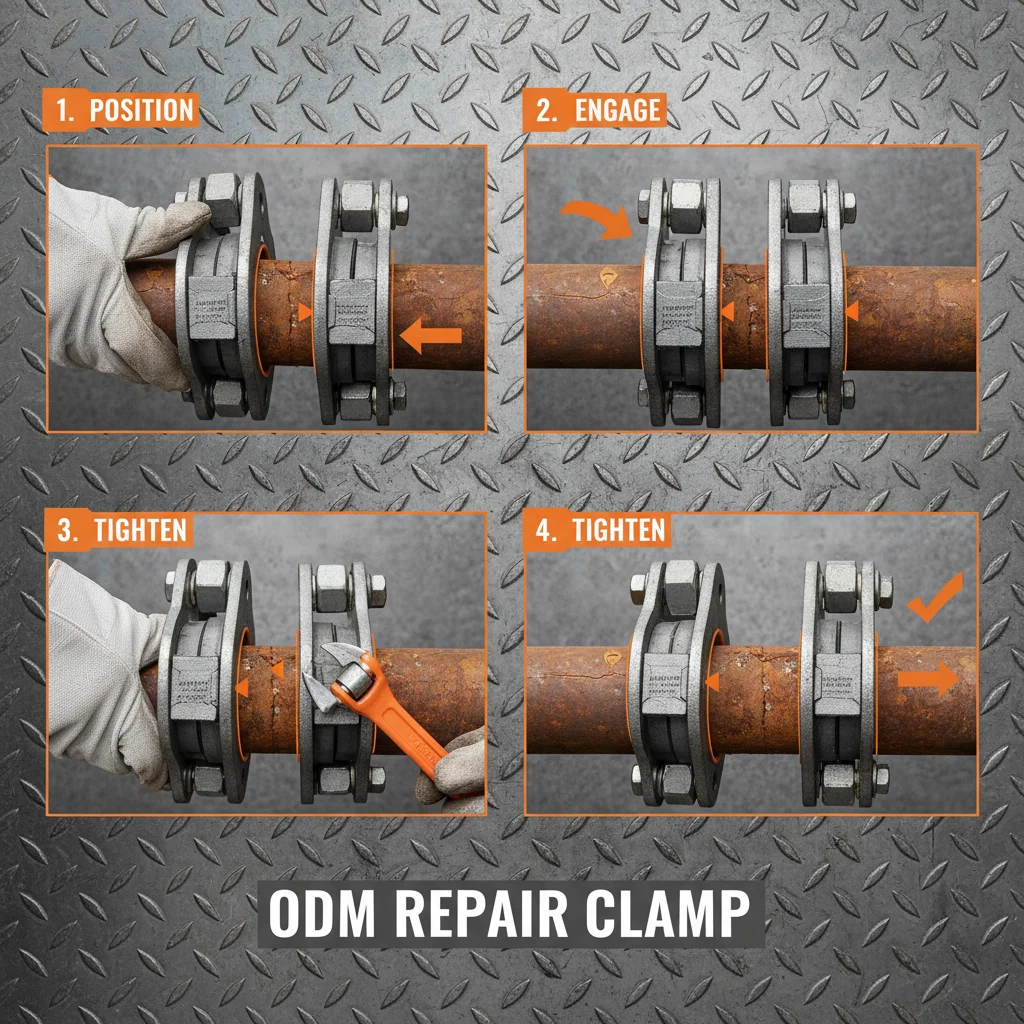
To overcome this, expert engineers recommend the mandatory installation of limit bolts or tie rods. These components restrict the maximum expansion of the joint while still allowing for vibration absorption, effectively balancing flexibility with structural constraint to maximize safety.
Another common limitation is chemical degradation. To solve this, detailed fluid analysis must be performed before selecting the joint material. By matching the specific polymer of the China rubber joint to the chemical properties of the medium—such as using EPDM for hot water or NBR for oils—the service life can be extended by several years.
Analysis of China Rubber Joint Material Selection and Application
|
Material Type
|
Temperature Resistance
|
Chemical Compatibility
|
Typical Application
|
|
EPDM
|
-40°C to 120°C
|
High (Water, Steam)
|
HVAC Systems
|
|
NBR (Nitrile)
|
-30°C to 100°C
|
High (Oil, Fuel)
|
Fuel Transfer Lines
|
|
Viton (FKM)
|
-20°C to 200°C
|
Excellent (Acids, Bases)
|
Chemical Processing
|
|
Neoprene
|
-30°C to 90°C
|
Medium (General Purpose)
|
Waste Water Plants
|
|
Natural Rubber
|
-50°C to 70°C
|
Low (Air, Water)
|
Low-Pressure Venting
|
|
Silicone
|
-60°C to 230°C
|
High (Medical Grade)
|
Food & Pharma
|
FAQS
The selection depends primarily on the medium being transported and the operating temperature. For general water and steam applications, EPDM is the industry standard due to its heat resistance. If the system carries oils or fuels, NBR is required. For aggressive chemicals or extreme heat, Viton (FKM) is the best choice. Always consult a chemical compatibility chart to ensure the elastomer won't degrade, which could lead to system failure.
While not every small-diameter joint requires them, control rods are highly recommended for high-pressure systems. They prevent the rubber joint from over-extending or "blowing out" under pressure, which can happen if the pipes are not perfectly aligned. Control rods ensure that the joint only moves within its designed elastic limit, significantly increasing the safety factor of the installation.
Lifespans vary wildly based on environment. In a controlled indoor environment with clean water, a high-quality joint can last 10-15 years. However, in outdoor settings exposed to UV radiation and extreme temperature cycles, or in corrosive chemical environments, replacement may be necessary every 3-5 years. Regular inspections for surface cracking or bulging are recommended to determine the exact end-of-life.
Yes, that is one of their primary advantages. The elastic nature of the China rubber joint allows it to absorb the kinetic energy of a pressure surge, acting as a shock absorber for the rest of the piping network. This protects rigid components like valves and elbows from cracking during sudden pump startups or shutdowns.
Standard rubber joints can collapse under vacuum pressure. For vacuum applications, you must use a joint equipped with internal vacuum rings (usually made of stainless steel). These rings provide the necessary structural support to prevent the rubber body from imploding while still allowing the joint to provide the necessary flexibility and vibration isolation.
The most common warning signs include "checking" (small surface cracks), visible bulging of the rubber body, or seepage around the flange faces. If the rubber feels excessively hard or brittle to the touch, it has likely undergone thermal degradation. Any of these signs indicate that the joint's structural integrity is compromised and it should be replaced immediately to avoid a catastrophic leak.
Conclusion
The China rubber joint represents a fundamental synergy between material science and mechanical engineering. By addressing the critical needs of vibration isolation, thermal compensation, and structural flexibility, these components ensure that industrial fluid systems remain safe, efficient, and durable. From the careful selection of elastomers like EPDM and Viton to the strategic implementation of control rods, the right approach to flexible piping can prevent costly downtime and protect vital infrastructure.
As we look toward the future, the integration of smart monitoring and sustainable materials will further elevate the role of the China rubber joint in global industry. For engineers and plant managers, prioritizing high-quality components is not just a technical choice, but a strategic investment in operational resilience. For more professional guidance and high-performance piping solutions, visit our website: www.hebei-fitting.com.