In the complex landscape of industrial piping, the ability to perform rapid, reliable repairs without complete system shutdowns is critical. The ODM pipe repair clamp has emerged as a cornerstone solution for engineers and facility managers worldwide, offering a versatile way to seal leaks and reinforce compromised pipe walls. By combining customized Original Design Manufacturing (ODM) specifications with high-grade materials, these clamps ensure that critical infrastructure remains operational under immense pressure.
Globally, the demand for specialized repair solutions is surging as aging water, oil, and gas networks struggle to keep pace with urban expansion. An ODM pipe repair clamp allows companies to tailor the dimensions, torque specifications, and sealing gaskets to their specific pipe metallurgy, whether they are dealing with ductile iron, steel, or PVC. This precision reduces the risk of secondary failures and extends the lifecycle of existing assets.
Understanding the nuances of ODM (Original Design Manufacturing) in the context of repair clamps is essential for achieving long-term sustainability in fluid transport. From reducing water loss in municipal grids to preventing hazardous leaks in chemical plants, the right clamping strategy minimizes environmental impact and maximizes safety. This guide explores the technical depth and commercial value of investing in high-quality, customized repair solutions.
Global Relevance of ODM Pipe Repair Clamps
The global infrastructure deficit has placed an unprecedented strain on pipeline networks. According to data aligned with ISO standards for piping systems, a significant percentage of municipal water loss (Non-Revenue Water) is attributed to small-scale leaks that go undetected or are poorly repaired. The ODM pipe repair clamp addresses this by providing a non-invasive, high-pressure sealing mechanism that avoids the need for expensive pipe section replacements.
In the context of global industrialization, the shift toward "maintenance-first" strategies means that companies are no longer looking for generic off-the-shelf parts. They require ODM solutions that can be integrated into their specific operational blueprints. This shift ensures that a repair clamp installed in a remote oil field in the Middle East or a municipal grid in Southeast Asia performs identically to the original design specifications of the pipe.
Defining the ODM Pipe Repair Clamp Concept
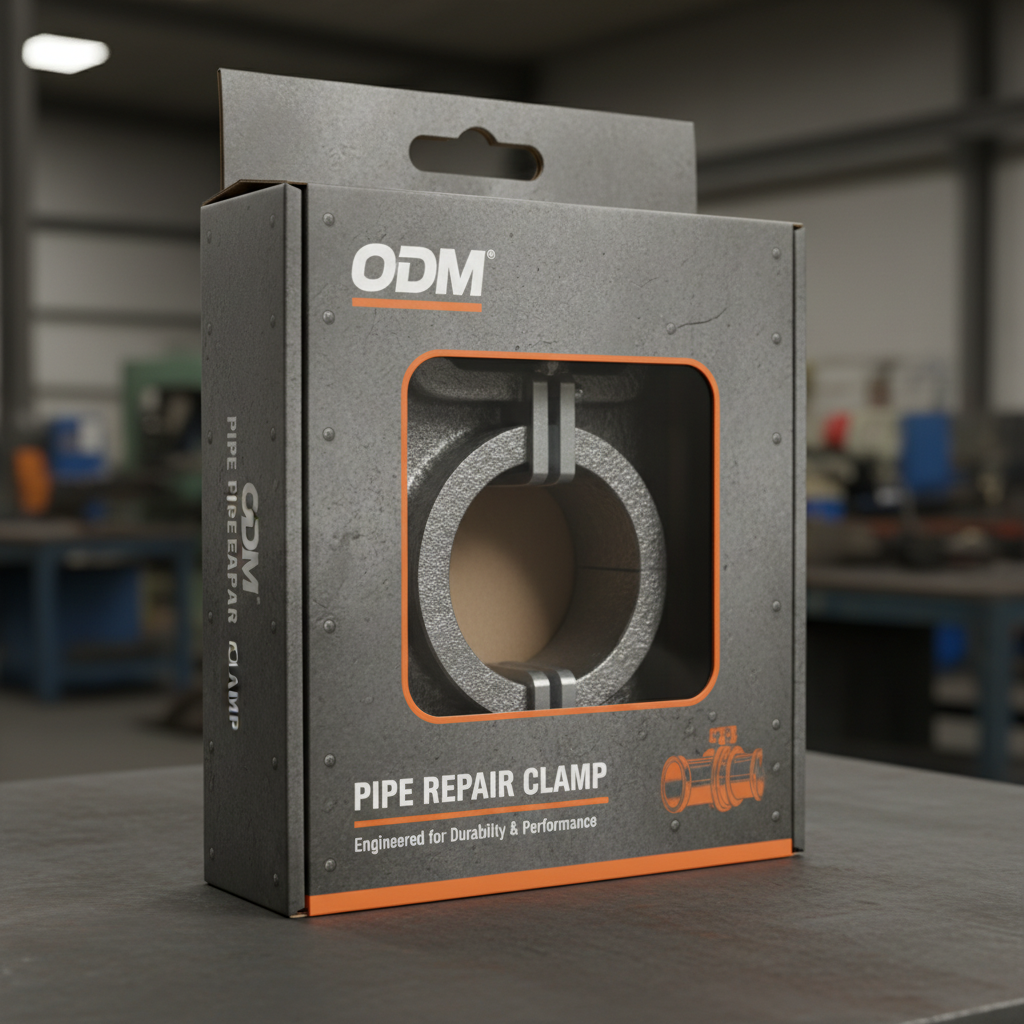
An ODM pipe repair clamp is a specialized mechanical device designed to encapsulate a damaged section of a pipe to stop leaks and provide structural reinforcement. Unlike standard clamps, the ODM (Original Design Manufacturing) approach means the product is engineered based on a client's specific requirements—ranging from exact outer diameter tolerances to the chemistry of the sealing rubber—ensuring a perfect fit for unique pipe profiles.
Modern industry requires these tools to be more than just "patches." They must act as permanent or semi-permanent structural extensions. In humanitarian contexts, such as restoring water access in post-disaster zones, the speed of deployment offered by an ODM clamp is lifesaving. It allows technicians to restore potable water flow in minutes rather than days, bypassing the need for complex welding or cutting.
Essentially, these clamps represent the intersection of precision engineering and emergency response. By utilizing high-strength alloys and advanced elastomers, the ODM pipe repair clamp transforms a catastrophic failure point into a reinforced segment of the network, maintaining the integrity of the fluid transport system without requiring a total system drain.
Core Technical Components for Reliability
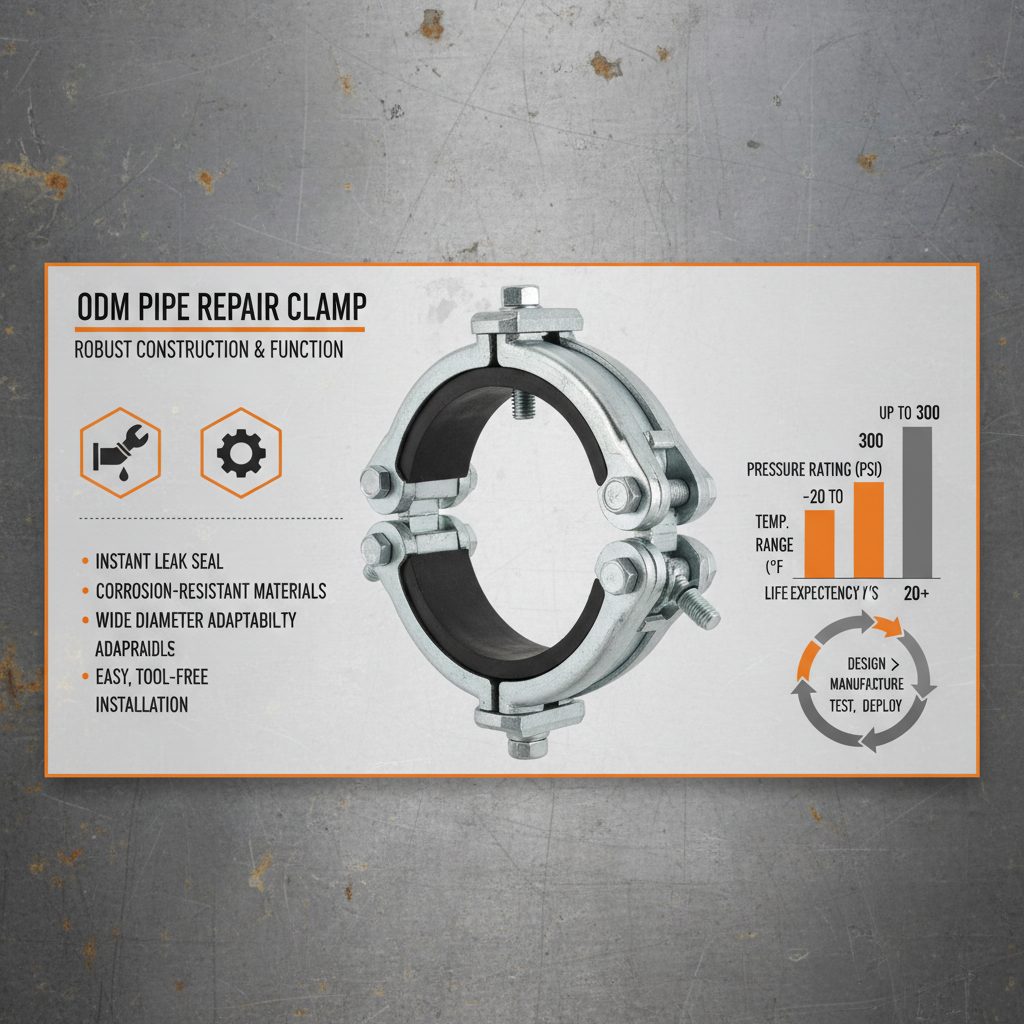
The durability of an ODM pipe repair clamp begins with its shell material. Typically crafted from stainless steel (304 or 316) or ductile iron with epoxy coatings, the shell must withstand external corrosive environments while maintaining the internal pressure of the pipe. The precision of the shell's curvature is what prevents "point loading," which could otherwise crush a weakened pipe.
Central to the sealing efficacy is the elastomer gasket. In a true ODM pipe repair clamp, the rubber is selected based on the medium being transported—EPDM for potable water, NBR for oils, or Viton for aggressive chemicals. This ensures that the seal does not degrade over time, maintaining a leak-proof barrier even under thermal expansion and contraction.
Finally, the bolting system provides the necessary compression force. High-tensile bolts, often galvanized or made of stainless steel, are spaced to distribute pressure evenly across the gasket. The ODM process allows for the optimization of bolt torque specifications, ensuring that the clamp provides maximum sealing force without distorting the underlying pipe geometry.
Performance Metrics in Industrial Applications
When evaluating the effectiveness of an ODM pipe repair clamp, engineers look at several key performance indicators: sealing pressure, installation speed, and longevity. A well-designed ODM clamp can handle pressures exceeding 20 bar while reducing the installation window from several hours (for a pipe replacement) to under 30 minutes.
The scalability of these solutions is also vital. Whether it is a small-bore instrument line or a large-diameter municipal main, the ODM approach ensures that the mechanical advantages—such as the leverage provided by the bolt layout—are scaled proportionally to the pipe size.
Comparative Efficiency of Pipe Repair Methods
Real-World Global Use Cases
In remote industrial zones, such as mining operations in Australia or oil extraction sites in Canada, the logistics of transporting heavy machinery for pipe replacement are prohibitive. The ODM pipe repair clamp provides a lightweight, high-strength alternative that can be flown in and installed by a small crew, drastically reducing downtime and operational losses.
Furthermore, in urban centers facing "aging city" syndrome, municipal water departments utilize these clamps to manage leaks in cast iron pipes that are too brittle to be welded. By using an ODM solution specifically designed for irregular, corroded surfaces, cities can maintain water pressure and prevent sinkholes without digging up entire street blocks.
Long-Term Value and Sustainability
The adoption of an ODM pipe repair clamp is not just a technical choice but a sustainable one. By extending the life of existing piping, industries reduce the carbon footprint associated with manufacturing new pipes and the environmental disruption caused by extensive excavation. This aligns with global "circular economy" goals by prioritizing repair over replacement.
From a financial perspective, the ROI is immediate. The cost of a high-quality ODM clamp is a fraction of the cost of a full system outage. Moreover, the reliability of a customized seal provides peace of mind, reducing the insurance premiums and risk liabilities associated with hazardous fluid leaks in industrial settings.
Ultimately, the value lies in trust. When a facility manager knows that their ODM pipe repair clamp was engineered to the exact specifications of their system, they can operate with confidence, knowing that the safety of their personnel and the surrounding environment is guaranteed.
Future Innovations in Pipe Repair Technology
The future of the ODM pipe repair clamp is moving toward "smart" monitoring. We are seeing the integration of IoT sensors within the clamp shell that can monitor bolt tension and leak detection in real-time. This allows for predictive maintenance, where a technician is alerted to a potential seal failure before it becomes a crisis.
Material science is also evolving. The next generation of clamps will likely utilize advanced composite alloys and graphene-enhanced elastomers, providing even greater corrosion resistance and a lighter weight without sacrificing pressure ratings. This will further simplify the installation process in challenging terrains.
Additionally, the digital transformation of the ODM process means that 3D scanning of the damaged pipe can be sent to the manufacturer, allowing for the creation of a 100% precision-fit clamp that accounts for the specific deformation of the pipe.
Technical Specifications and Application Matrix for ODM Pipe Repair Clamps
| Material Grade |
Typical Application |
Pressure Rating |
Durability Score (1-10) |
| Stainless Steel 316 |
Chemical Processing |
High (25+ Bar) |
10 |
| Ductile Iron (Epoxy) |
Municipal Water |
Medium (16 Bar) |
8 |
| Carbon Steel (Galv) |
Oil & Gas Lines |
High (20 Bar) |
7 |
| Aluminum Alloy |
Low-Pressure Air |
Low (10 Bar) |
6 |
| Duplex Steel |
Offshore Piping |
Extreme (40+ Bar) |
10 |
| Composite Polymer |
Temporary Fixes |
Low (5 Bar) |
5 |
FAQS
The primary advantage is the customized fit. While standard clamps come in fixed sizes, an ODM pipe repair clamp is engineered to the exact diameter and material requirements of your specific piping system. This eliminates gaps in the seal and prevents the clamp from slipping or causing further damage to the pipe, resulting in a significantly higher success rate for high-pressure repairs.
Selection depends entirely on the medium flowing through the pipe. For potable water, EPDM is the gold standard due to its flexibility and safety certifications. For oil, gas, or petroleum products, NBR (Nitrile) is required for its chemical resistance. For highly corrosive acids or extreme temperatures, Viton or PTFE-based gaskets are recommended to prevent premature degradation.
Yes, when designed as an ODM solution using high-grade stainless steel and appropriate elastomers, these clamps can serve as permanent repairs. They provide structural reinforcement to the pipe wall. However, we always recommend periodic inspections of the bolt tension to ensure the seal remains optimal over decades of service.
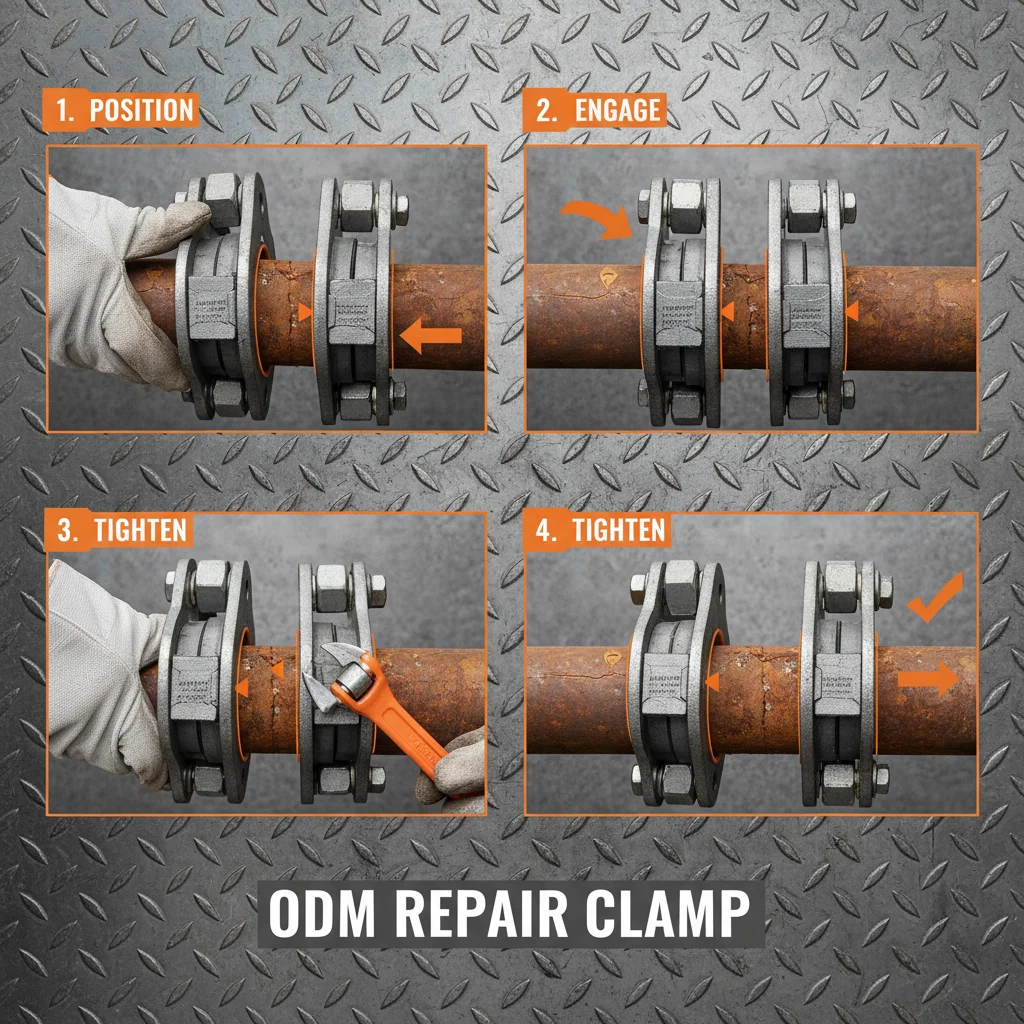
Most ODM pipe repair clamps are designed for ease of installation. Basic requirements typically include a set of heavy-duty wrenches or a torque wrench to ensure bolts are tightened to the manufacturer's specifications. No welding or specialized cutting equipment is usually required, which is why they are ideal for emergency field deployments.
Absolutely. One of the key benefits of the ODM process is that we can adjust the shell's rigidity and the gasket's softness to accommodate non-metallic pipes. For PVC or HDPE, we use a wider, softer gasket that distributes pressure more evenly to avoid crushing the softer pipe wall while maintaining a watertight seal.
The most efficient way is to partner with a manufacturer that provides full engineering support. You provide the pipe specifications (outer diameter, material, medium, and pressure), and the ODM partner creates a technical drawing for approval before production. This ensures that the clamps arriving at your site are ready for immediate installation.
Conclusion
The ODM pipe repair clamp represents a vital evolution in industrial maintenance, moving away from "one-size-fits-all" fixes toward precision-engineered solutions. By focusing on material compatibility, exact dimensional tolerances, and high-pressure reliability, these clamps provide a sustainable and cost-effective alternative to full-scale pipe replacement. They ensure that critical infrastructure—from municipal water lines to industrial chemical conduits—remains safe and operational with minimal disruption.
Looking forward, the integration of smart monitoring and advanced composites will only further enhance the reliability of pipe repair. For companies seeking to reduce operational risk and environmental impact, investing in customized repair strategies is no longer optional—it is a necessity. We encourage facility managers and engineers to audit their current repair protocols and transition toward high-performance ODM solutions to secure their infrastructure for the future. Visit our website: www.hebei-fitting.com