Apr. 09, 2026
When designing a high-pressure piping system, the integrity of the joints is the most critical factor for safety and efficiency. If you are looking to buy grooved rigid coupling, it is essential to understand that these components provide a leak-proof, high-strength connection that eliminates the need for welding or threading. Rigid couplings are specifically engineered to prevent angular deflection, ensuring that the pipeline remains perfectly straight under stress. In this comprehensive guide, we will explore the technical advantages, material specifications, and key considerations to help you make an informed procurement decision for your industrial project.
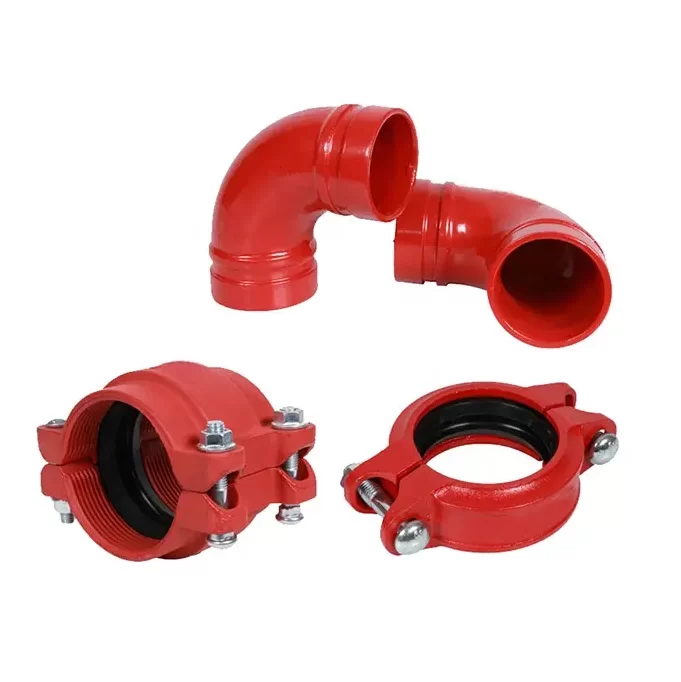
A grooved rigid coupling is a mechanical joining system used to connect two pipes, fittings, or valves. Unlike flexible couplings, which allow for a slight degree of movement, the rigid version is designed to lock the pipe ends in a fixed position. This is crucial in systems where piping must act as a structural support or where the fluid dynamics require a precise, unchanging alignment. When you buy grooved rigid coupling components, you are investing in a system that utilizes a rubber gasket for sealing and a heavy-duty metal housing for structural strength. This combination ensures a hermetic seal while maintaining the rigidity of the overall assembly.
Pro Tip: Rigid couplings are ideal for fire protection systems (sprinklers) and high-pressure HVAC lines where the pipe must not deviate from its specified path.
The transition from traditional welding to grooved systems has revolutionized industrial plumbing. The primary benefit is the drastic reduction in installation time; mechanical couplings can be installed in a fraction of the time it takes to weld and inspect a joint. Furthermore, the risk of fire hazards during installation is completely eliminated. For engineers, the ability to easily disassemble the system for maintenance or modification provides long-term operational flexibility. By choosing to buy grooved rigid coupling from a professional manufacturer, you ensure that the gaskets used are chemically compatible with the transported media, whether it be water, oil, or gas.
Advantages at a Glance:
• Speed: Up to 50% faster installation compared to welding.
• Safety: No open flames or toxic welding fumes on site.
• Reliability: Consistent joint strength regardless of installer skill level.
• Maintenance: Simple removal for pipe cleaning or replacement.
Deciding whether to buy grooved rigid coupling or a flexible one depends entirely on your system's requirement for movement. Flexible couplings are designed to absorb thermal expansion and vibration, which prevents pipe stress in long runs. However, in applications where the piping must resist external forces or maintain a strict 0-degree angle, the rigid coupling is the only viable choice. Below is a technical comparison to help you distinguish between the two.
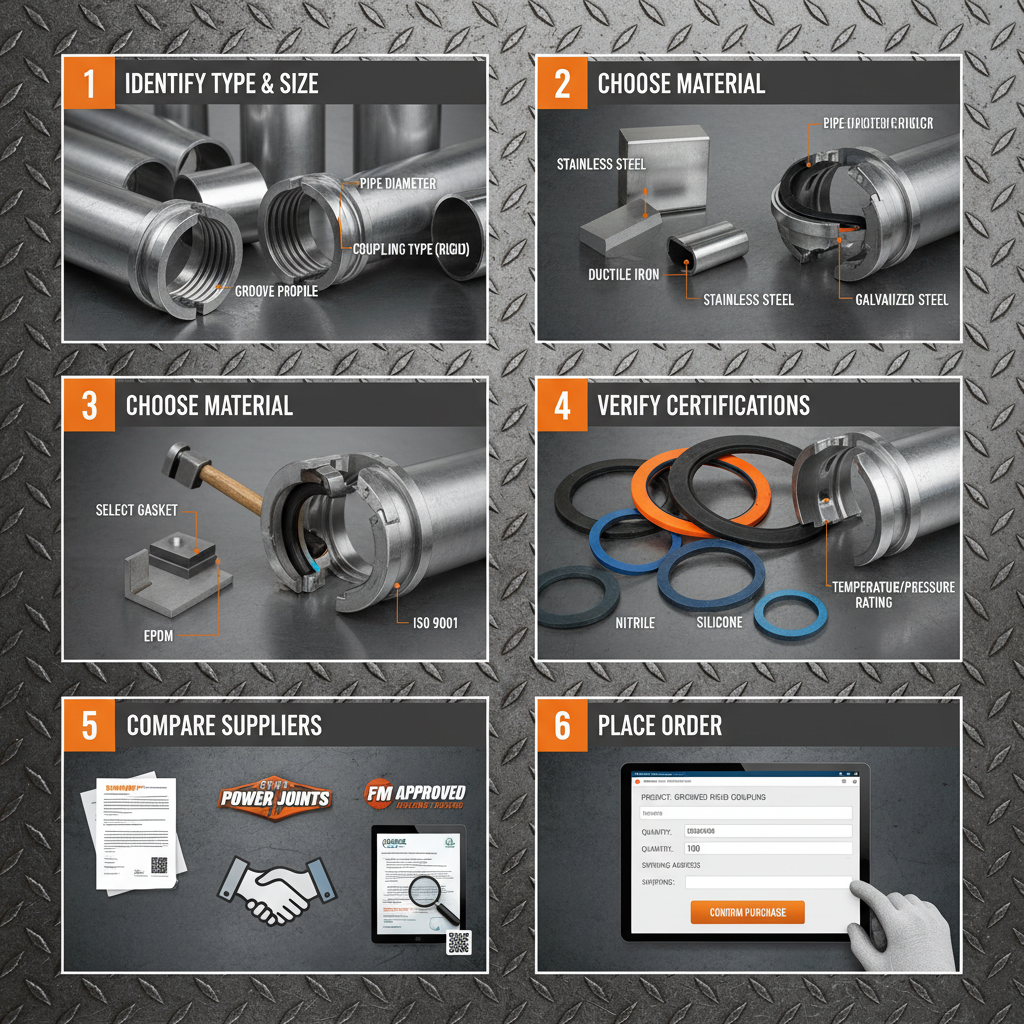
When you prepare to buy grooved rigid coupling, you must specify the material and size to ensure compatibility with your existing pipeline. Ductile iron is the industry standard for the coupling housing due to its high tensile strength and corrosion resistance. The gasket material typically ranges from EPDM (ideal for water) to Nitrile (suitable for oil). Ensuring the "groove" dimensions match the coupling specifications is the most critical step to avoid leakage.
Achieving a perfect seal when you buy grooved rigid coupling requires a disciplined installation process. First, ensure the pipe ends are clean and the grooves are free of debris. Second, lubricate the gasket with a compatible lubricant to prevent twisting during assembly. Third, slide the coupling onto the pipe and center the gasket. Finally, tighten the bolts evenly using a torque wrench to ensure the housing grips the grooves with equal pressure. Failure to tighten bolts symmetrically can lead to gasket deformation and eventual leaks.
The rigidity of these couplings makes them indispensable in various industrial sectors. In fire protection systems, rigid couplings are mandatory for the main risers to ensure the pipe does not sway under the massive pressure of water flow. In industrial processing plants, they are used for transporting chemical fluids where a fixed line is required to prevent joint fatigue. Additionally, they are frequently found in commercial HVAC systems for chilled water loops. When professionals buy grooved rigid coupling parts, they are prioritizing the structural stability of their entire infrastructure.
Choosing the right hardware is the difference between a system that lasts decades and one that requires constant repair. When you buy grooved rigid coupling solutions from Hebei Fitting, you are ensuring that your project adheres to international safety and pressure standards. By combining the speed of mechanical joints with the strength of rigid alignment, you optimize both your installation budget and your long-term operational safety. Invest in quality, ensure precision, and build piping systems that stand the test of time.
Generally, it is not recommended. Because rigid couplings prevent any movement, thermal expansion in a completely rigid line can lead to immense stress on the pipe walls or the supports, potentially causing the pipe to buckle or the coupling to fail. If your system experiences significant temperature fluctuations, you should integrate flexible couplings or expansion joints at calculated intervals. However, if the system is designed with expansion loops, rigid couplings can be used in the straight sections to maintain alignment.
The coupling size must match the Nominal Pipe Size (NPS). For example, a 4-inch pipe requires a 4-inch coupling. Beyond the diameter, you must verify the groove type (roll groove or cut groove) and the depth of the groove. Most standard rigid couplings are designed for standard roll-grooved pipes. We recommend checking the manufacturer's specification chart on the Hebei Fitting website to ensure the coupling matches your specific pipe wall thickness (Schedule 40, etc.).
Pressure ratings vary by size and material, but typical grooved rigid couplings can handle pressures from 200 PSI to 500 PSI. Higher-pressure variants are available for specialized industrial applications. It is critical to check the rating of both the coupling and the gasket, as the gasket is often the limiting factor in the seal's pressure capacity. Always consult the technical data sheet before installation to ensure the coupling exceeds the maximum operating pressure of your system.
Yes, provided they have the appropriate surface treatment. For outdoor environments, we recommend choosing couplings with a hot-dip galvanized finish or a high-grade epoxy powder coating to prevent rust and corrosion from moisture and UV exposure. The EPDM gaskets used in most rigid couplings are also highly resistant to weathering. When you buy grooved rigid coupling for outdoor projects, specifying the corrosion protection level is essential for the system's longevity.
Dec 02,25
Grooved Pipe Fittings: A Revolutionary Solution For Modern Pipe Connections
Grooved pipe fittings, also known as clamp connections, are a type of piping system that uses pre-rolled or machined standard grooves on the pipe ends for rapid connection using specialized clamp assemblies.
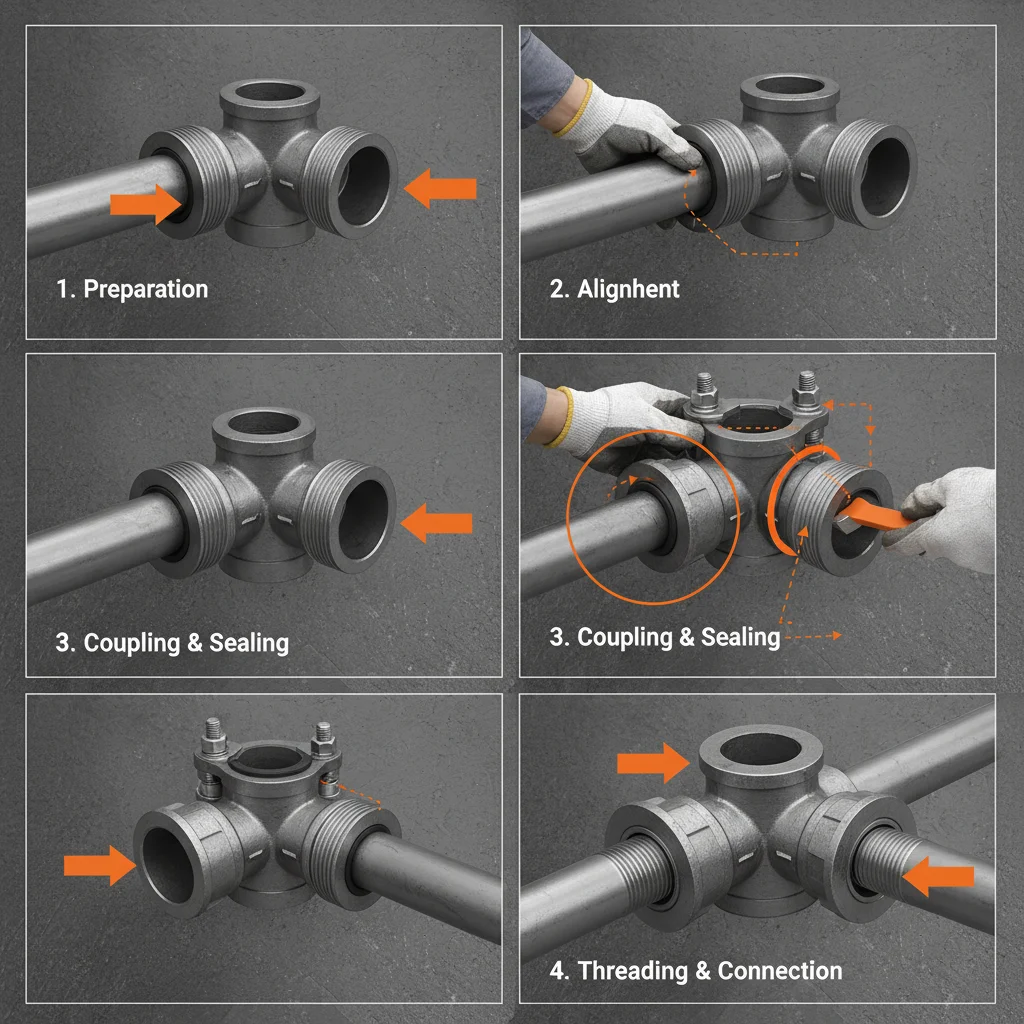
Mar 24,26
Comprehensive Guide to Grooved Threaded Tees for Piping Systems
Mar 12,26
Leading Malleable Iron Pipe Fittings Manufacturer for Plumbing and Industrial Needs
Mar 19,26
Comprehensive Guide to Wholesale Malleable Iron Pipe Fittings Supply
Mar 06,26
Comprehensive Guide to Malleable Iron Fittings for Gas Pipeline Systems
Apr 17,26
China rubber joint for Industrial Piping and Vibration Control
Stay Updated with Us