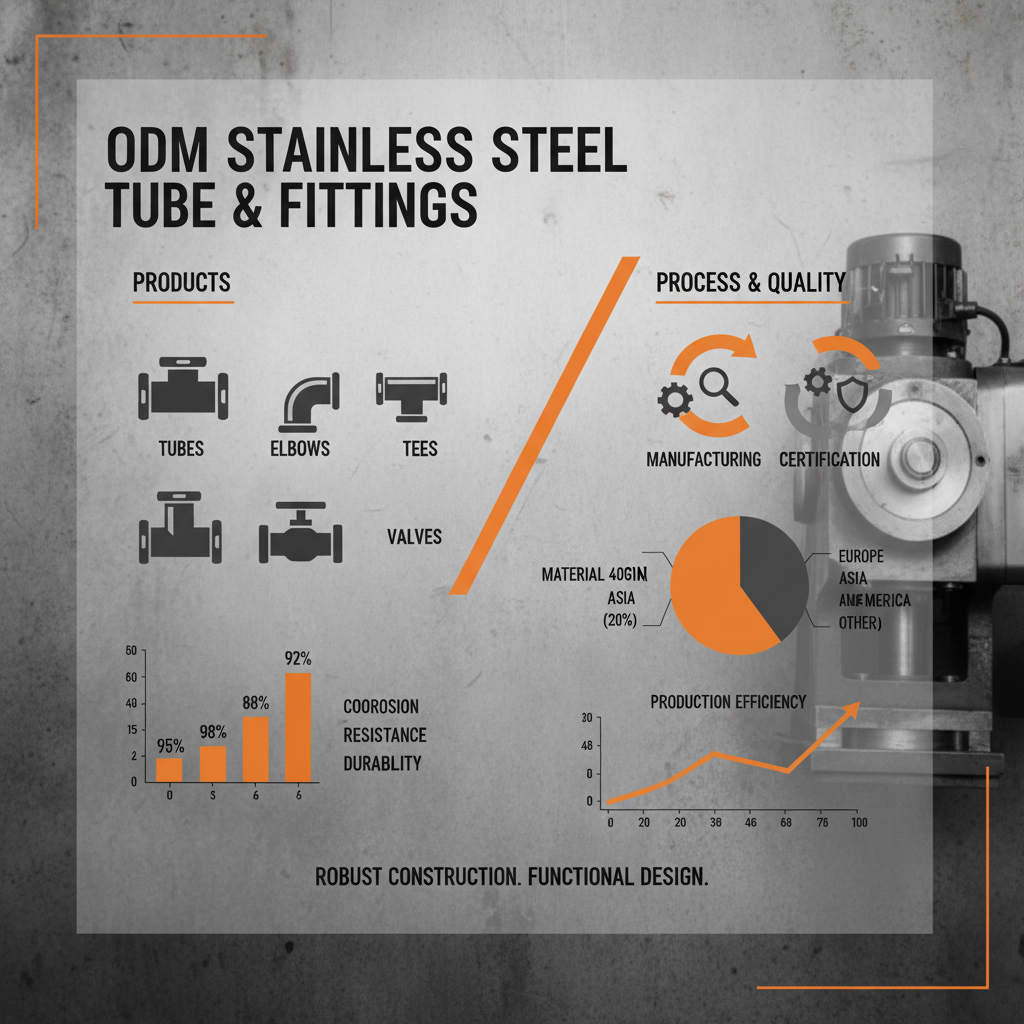
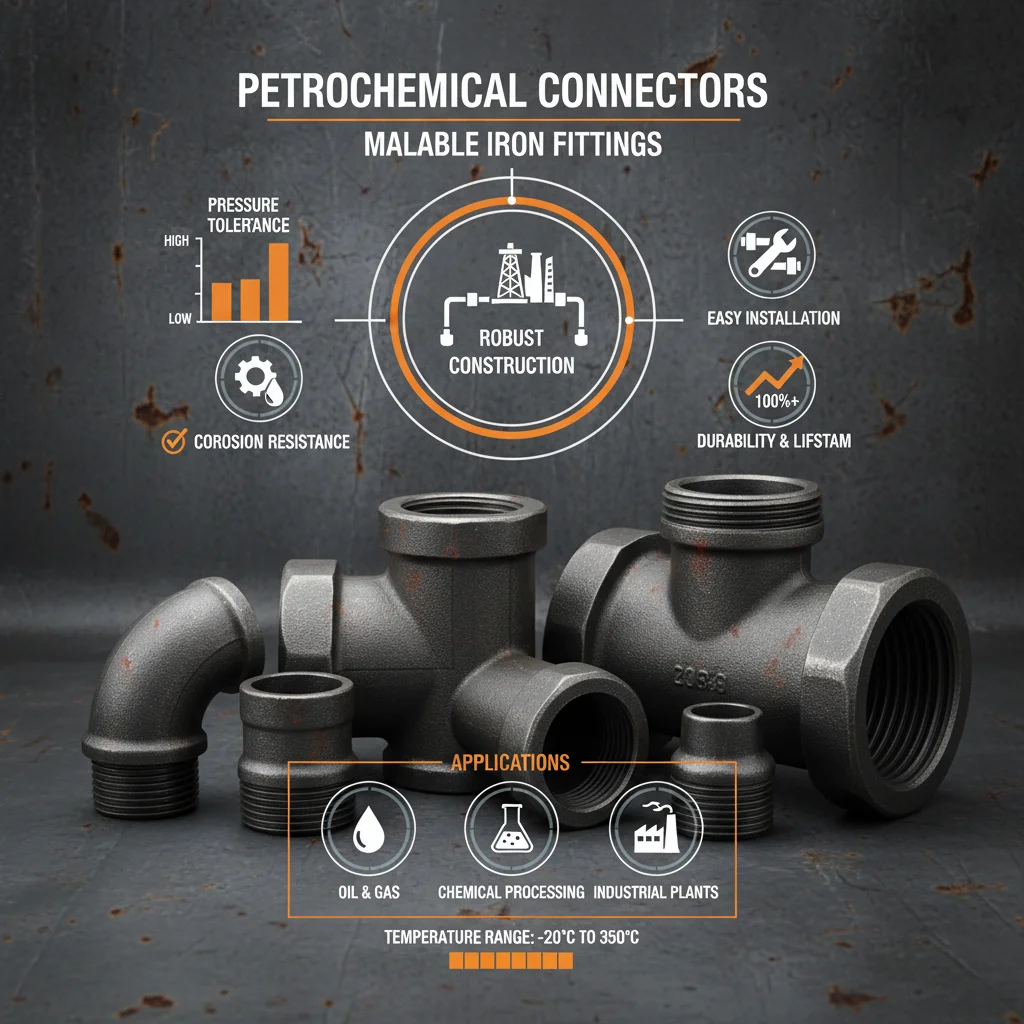
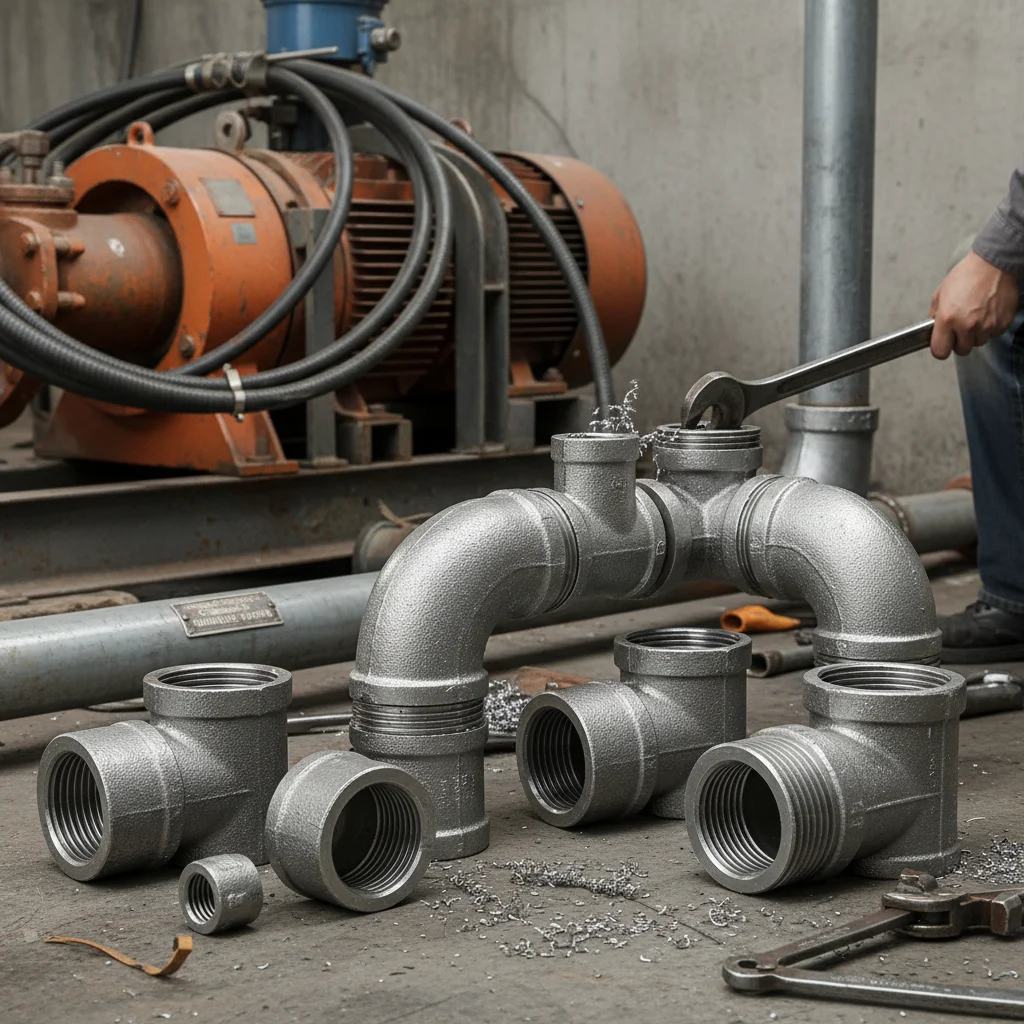
In the modern industrial landscape, the demand for precision-engineered fluid handling systems has never been higher. Leveraging ODM stainless tube and fittings allows companies to bypass the limitations of off-the-shelf components, ensuring that every joint, bend, and connection is tailored to the specific pressure and temperature requirements of their unique application.
The transition toward Original Design Manufacturing (ODM) in the stainless steel sector represents a shift toward integrated efficiency. By partnering with specialized manufacturers, enterprises can integrate advanced metallurgical properties and custom geometries into their piping systems, significantly reducing the risk of leaks and systemic failures in critical environments.
Understanding the nuances of ODM stainless tube and fittings is essential for engineers and procurement officers who aim to balance cost-effectiveness with uncompromising safety standards. This approach not only accelerates the time-to-market for new industrial equipment but also ensures long-term operational reliability across global supply chains.
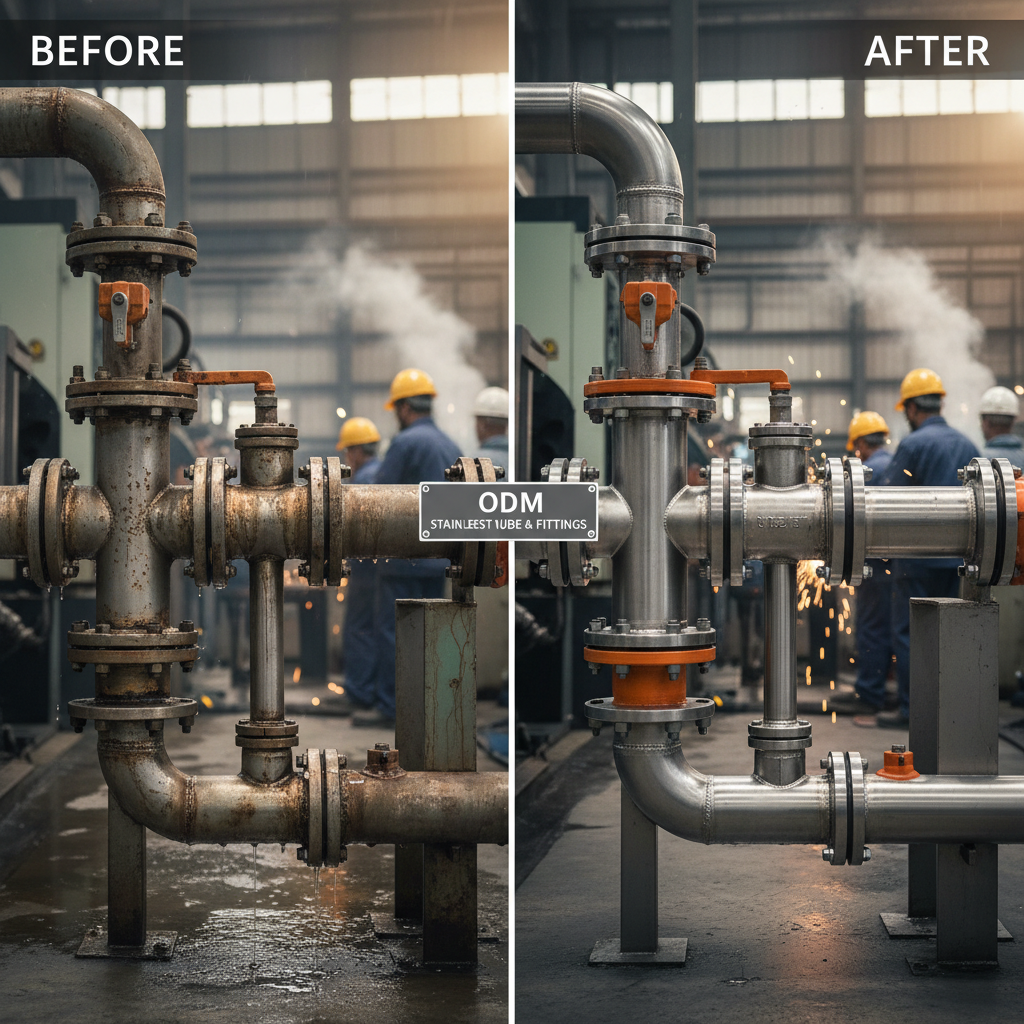
Global Relevance of ODM Stainless Tube and Fittings
The global industrial infrastructure is currently undergoing a massive upgrade, with a heightened focus on corrosion resistance and hygienic standards. According to ISO standards and global trade data, the shift toward stainless steel in pharmaceutical and food-grade processing has surged, making ODM stainless tube and fittings a critical component in maintaining sterile environments and preventing contamination.
However, the industry faces a recurring challenge: the "one-size-fits-all" mentality of standard catalog parts often leads to inefficient installations and increased maintenance costs. By adopting an ODM approach, manufacturers can solve these architectural bottlenecks, ensuring that tube diameters and fitting angles are optimized for the specific flow dynamics of the medium being transported.
Defining the ODM Model in Stainless Piping
ODM, or Original Design Manufacturing, in the context of ODM stainless tube and fittings, refers to a partnership where a manufacturer designs and produces components based on the client's technical requirements, which the client then brands as their own. Unlike OEM, where the client provides the blueprints, ODM leverages the manufacturer's engineering expertise to create the most efficient solution.
This model is particularly vital for industries that require high-precision fluid control, such as semiconductor fabrication or aerospace. It bridges the gap between conceptual engineering and physical reality, allowing for the integration of complex features like specialized threading or unique alloy compositions that aren't available in standard retail inventories.
Ultimately, the ODM approach transforms a simple procurement process into a strategic collaboration. It ensures that the final ODM stainless tube and fittings are not just parts, but engineered solutions that enhance the overall lifespan and safety of the entire mechanical system.
Core Components of High-Performance Fittings
Durability is the cornerstone of any fluid system. When specifying ODM stainless tube and fittings, the selection of the steel grade (such as 304 or 316L) determines the system's ability to withstand oxidative stress and chemical erosion over decades of service.
Precision engineering in ODM stainless tube and fittings involves rigorous tolerance control. Even a micron-level deviation in a fitting's internal diameter can lead to turbulence or pressure drops, which in high-pressure systems can cause catastrophic fatigue and premature failure.
Finally, scalability and modularity are key. By utilizing a standardized ODM framework, companies can easily expand their piping networks without redesigning the entire system, ensuring that new ODM stainless tube and fittings integrate seamlessly with existing installations.
Technical Factors Driving System Scalability
To achieve true scalability, engineers must focus on the intersection of material science and geometric optimization. In the realm of ODM stainless tube and fittings, this means designing connections that can handle varying pressure loads while maintaining a compact footprint, reducing the overall weight of the installation.
Cost efficiency is often achieved not by choosing the cheapest part, but by reducing the number of required components. Through customized ODM designs, multiple standard fittings can often be consolidated into a single, complex part, reducing potential leak points and lowering the total cost of ownership over the system's lifecycle.
Performance Analysis of ODM Stainless Tube and Fittings Methods
Global Applications and Industrial Use Cases
In the energy sector, particularly in offshore oil and gas platforms, ODM stainless tube and fittings are deployed to resist the extreme salinity and pressure of deep-sea environments. The ability to customize the wall thickness and surface finish ensures that these components do not succumb to stress corrosion cracking.
Furthermore, in the pharmaceutical industry, these custom solutions are indispensable for the production of vaccines and biologics. By utilizing electropolished ODM stainless tube and fittings, manufacturers eliminate microscopic crevices where bacteria could hide, ensuring compliance with stringent FDA and EMA guidelines.
Long-Term Value and Sustainability Benefits
The long-term value of investing in ODM stainless tube and fittings extends beyond mere performance. From a sustainability perspective, stainless steel is 100% recyclable. By designing fittings that last 30-50 years rather than 10, industries significantly reduce their environmental footprint and raw material consumption.
From a logical and emotional standpoint, these components provide peace of mind. The trust that a system will not leak in a high-pressure hydrogen plant or a food processing line translates directly into operational safety and the protection of human life, embodying the principle of "engineering for dignity."
Moreover, the reduction in downtime associated with high-quality ODM stainless tube and fittings provides a tangible economic advantage. Lower maintenance frequency means lower labor costs and higher production yields, making the initial investment in custom design a highly profitable decision.
Future Trends in Stainless Tube Innovation
Looking forward, the integration of "Smart Piping" is the next frontier. We are seeing the emergence of ODM stainless tube and fittings that incorporate embedded sensors for real-time pressure and temperature monitoring, allowing for predictive maintenance before a failure occurs.
Additionally, the push toward green energy—specifically hydrogen fuel cells—requires materials that can handle hydrogen embrittlement. This is driving the development of new stainless alloys and advanced coating technologies within the ODM space to ensure these systems remain leak-proof under extreme conditions.
Automation in manufacturing, such as AI-driven generative design, is also optimizing the geometry of ODM stainless tube and fittings. This allows for the creation of organic shapes that maximize flow efficiency while minimizing material waste, aligning industrial growth with ecological responsibility.
Technical Comparison of ODM Stainless Tube and Fittings Design Parameters
| Material Grade |
Pressure Rating |
Corrosion Resistance |
Typical Use Case |
| SS304 |
Medium (up to 3000 PSI) |
Good |
General Food Grade |
| SS316L |
High (up to 5000 PSI) |
Excellent |
Marine/Chemical |
| Duplex 2205 |
Very High (up to 10000 PSI) |
Superior |
Oil & Gas Extraction |
| SS310S |
Medium (High Temp) |
Excellent (Heat) |
Industrial Furnaces |
| Super Duplex |
Extreme |
Maximum |
Desalination Plants |
| Custom Alloy |
Application Specific |
Tailored |
Aerospace Propulsion |
FAQS
ODM solutions are engineered specifically for your system's pressure, temperature, and chemical environment. Unlike standard parts, they eliminate unnecessary adapters and reduce potential leak points, resulting in higher system efficiency and lower long-term maintenance costs.
Depending on the grade (e.g., 316L or Duplex), these systems can last 30 to 50 years. The ODM process allows for the application of specific surface treatments like electropolishing, which further enhances corrosion resistance compared to standard industrial fittings.
While the initial design and tooling cost may be higher, the total cost of ownership is typically lower. This is due to reduced installation time, fewer component failures, and optimized material usage that prevents over-engineering of non-critical sections.
Yes, professional ODM partners can manufacture parts to meet ISO, ASTM, ASME, or FDA standards. Because the design is custom, documentation for material traceability (Mill Test Reports) and pressure testing can be integrated into the production workflow.
Standard parts are available immediately, but ODM parts require a design and prototyping phase. However, once the design is locked, production is streamlined. Many companies maintain "blank" stocks to accelerate the final machining process for their ODM clients.
The process begins with a technical consultation where you provide your flow requirements, medium chemistry, and spatial constraints. The manufacturer then proposes an optimized design, creates a prototype for validation, and proceeds to full-scale production.
Conclusion
In summary, ODM stainless tube and fittings represent the pinnacle of industrial piping efficiency, combining the strength of high-grade stainless steel with the precision of custom engineering. By focusing on durability, scalability, and application-specific design, this approach eliminates the vulnerabilities of standard components and provides a robust foundation for critical fluid handling systems across the globe.
As we move toward a future defined by green energy and digital industrialization, the importance of tailored, high-performance components will only grow. We recommend that engineers and procurement specialists move away from generic sourcing and embrace strategic ODM partnerships to ensure their infrastructure is not only compliant with today's standards but is ready for the technological demands of tomorrow. Visit our website: www.hebei-fitting.com