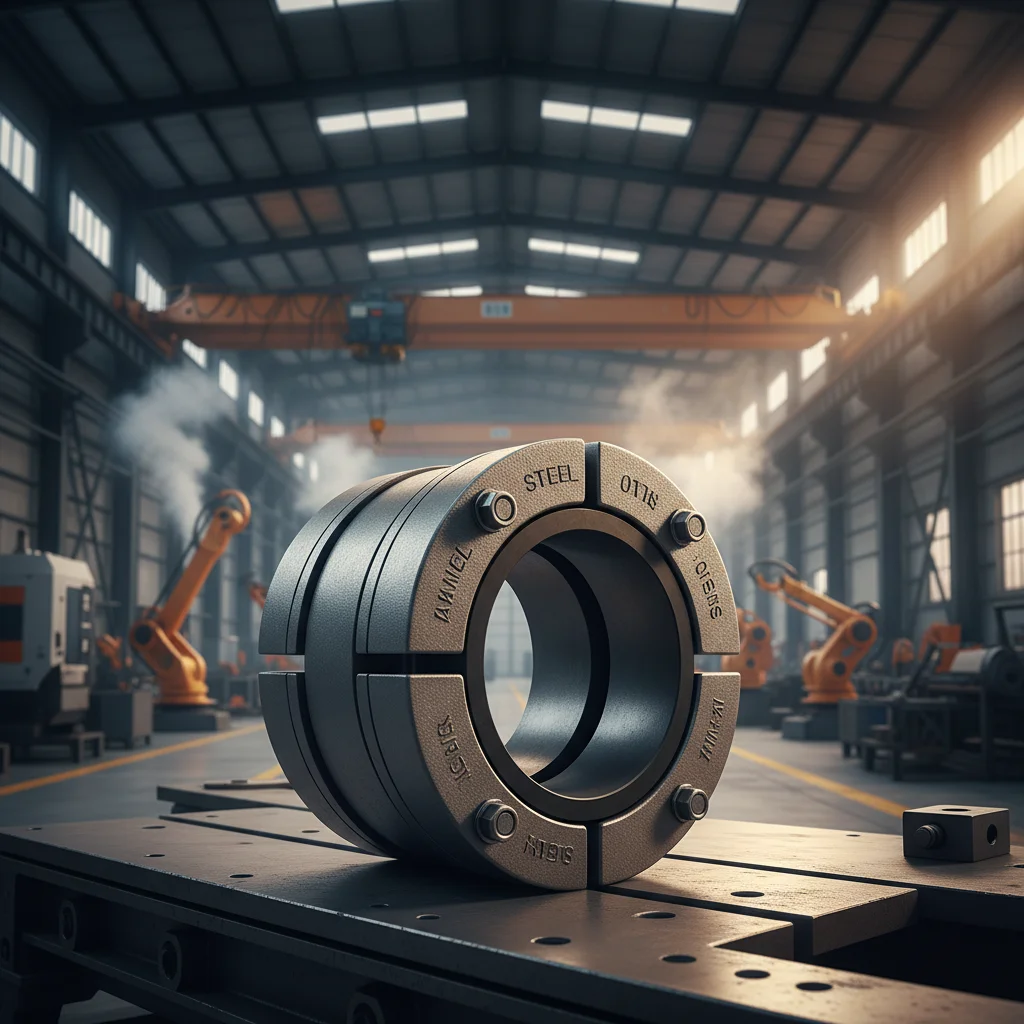
Malleable iron fittings for water supply & drainage represent a cornerstone of infrastructure worldwide, ensuring the safe and reliable delivery of potable water and the efficient removal of wastewater. These fittings, prized for their durability, corrosion resistance, and ease of installation, play a vital role in residential, commercial, and industrial plumbing systems. Understanding their properties, applications, and evolving technologies is crucial for engineers, contractors, and policymakers alike.
Globally, the demand for robust and dependable water and drainage infrastructure is constantly increasing, driven by population growth, urbanization, and the need to address water scarcity. Malleable iron fittings provide a cost-effective and long-lasting solution to these challenges, particularly in regions with aging infrastructure or limited access to alternative materials. They are often favored for their ability to withstand high pressures and temperatures, making them suitable for a wide range of applications.
The importance of choosing the right components for water and drainage systems cannot be overstated. Leaks, corrosion, and failures can lead to significant water loss, environmental contamination, and public health risks. malleable iron fittings for water supply & drainage offer a proven and reliable solution, minimizing these risks and ensuring the long-term sustainability of water infrastructure.
Introduction to Malleable Iron Fittings
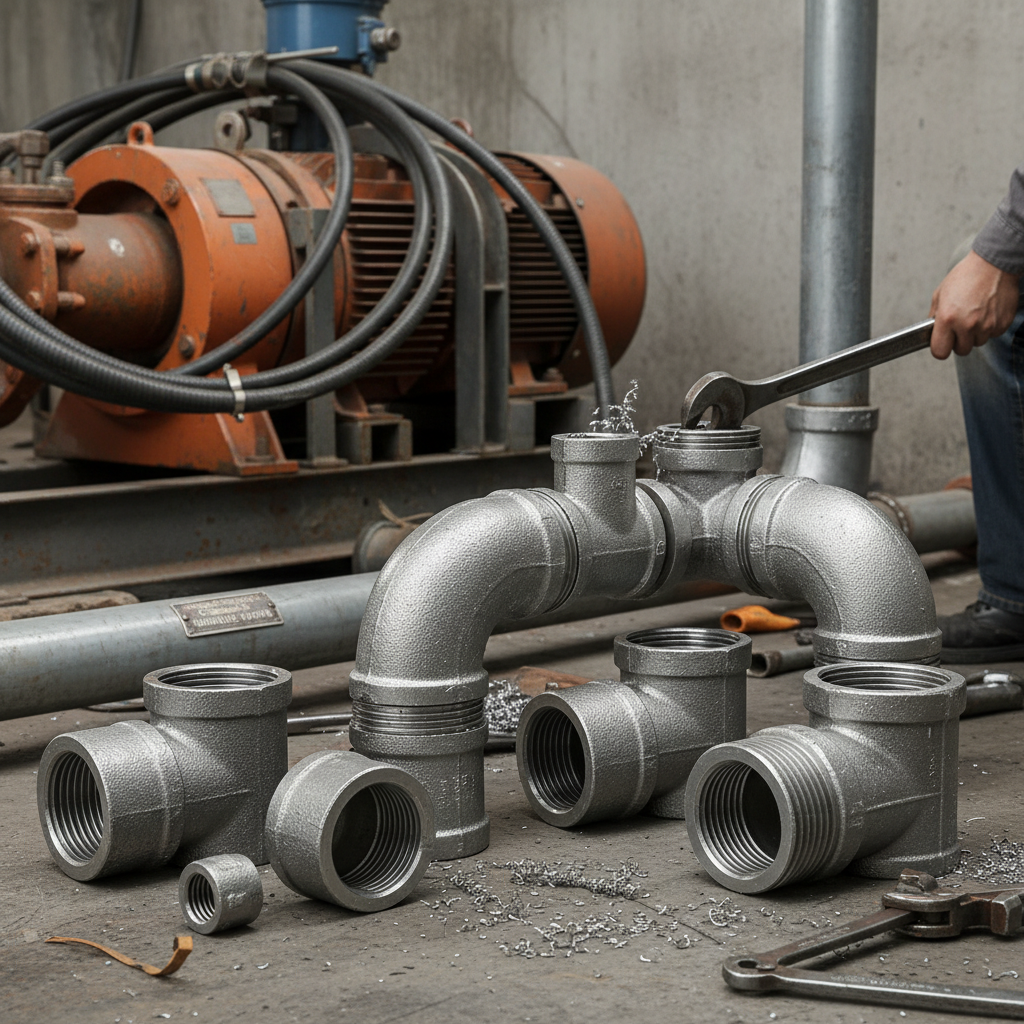
Malleable iron fittings are essential components in both water supply and drainage systems, particularly where long-term reliability and resistance to corrosion are paramount. They are manufactured through a process involving casting and subsequent heat treatment, resulting in a material that is both strong and ductile. This combination allows the fittings to withstand significant pressure variations and physical stresses.
The versatility of malleable iron fittings makes them suitable for a wide range of applications, from residential plumbing to large-scale industrial pipelines. Their ability to be easily threaded and connected using standard plumbing techniques simplifies installation and maintenance, contributing to their widespread adoption across diverse sectors.
Global Relevance and Industry Context
The demand for reliable water and drainage infrastructure is a global concern, particularly as populations continue to grow and urbanization accelerates. According to the World Bank, billions of people worldwide still lack access to safe water and sanitation, creating significant public health and economic challenges. Malleable iron fittings offer a practical and cost-effective solution for improving water infrastructure in both developed and developing countries.
ISO standards play a crucial role in ensuring the quality and performance of these fittings. Adherence to these standards guarantees compatibility and safety, fostering trust among engineers, contractors, and end-users. The global market for plumbing fittings is substantial and continues to expand, driven by infrastructure development projects and the need to replace aging systems.
A key challenge is addressing water loss due to leaks in existing infrastructure. Malleable iron fittings, when properly installed and maintained, can significantly reduce these losses, contributing to water conservation efforts and improved resource management.
Defining Malleable Iron Fittings
Malleable iron fittings are plumbing components manufactured from malleable iron – a type of cast iron that has undergone heat treatment to improve its ductility. This process alters the microstructure of the iron, making it less brittle and more capable of being deformed without fracturing. The resulting fittings are typically used to connect pipes, change flow direction, and regulate water flow in various plumbing systems.
These fittings are integral to modern industry and are essential for meeting basic humanitarian needs. Their robust nature makes them vital in areas where water access is limited or infrastructure is underdeveloped. malleable iron fittings for water supply & drainage provide a dependable connection for essential utilities.
Unlike some alternative materials, malleable iron is resistant to corrosion, particularly in soil conditions, making it a long-lasting and reliable choice for underground pipelines and drainage systems. This characteristic significantly contributes to their widespread use in both residential and industrial applications.
Key Characteristics of Malleable Iron Fittings
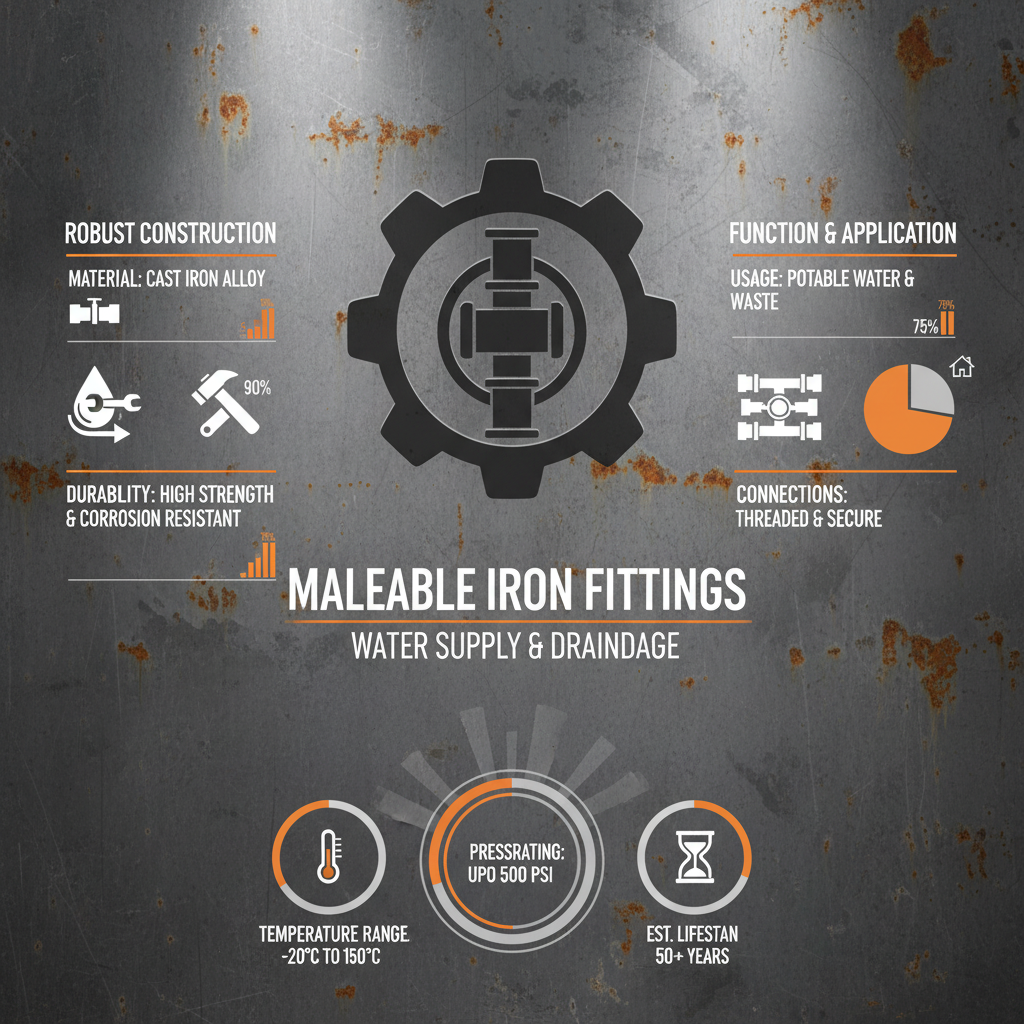
Several key characteristics make malleable iron fittings a preferred choice for water supply and drainage applications. First and foremost is their exceptional Durability. Malleable iron is a robust material that can withstand high pressures, extreme temperatures, and physical impact, ensuring a long service life.
Secondly, Corrosion Resistance is a critical attribute. The inherent properties of malleable iron, coupled with protective coatings, provide excellent resistance to corrosion from both internal fluids and external environmental factors. The Scalability of these fittings is also important; they are available in a wide range of sizes and configurations to suit diverse piping systems. This allows for flexibility in design and installation.
Malleable Iron Fittings Performance Metrics
Applications Across Industries
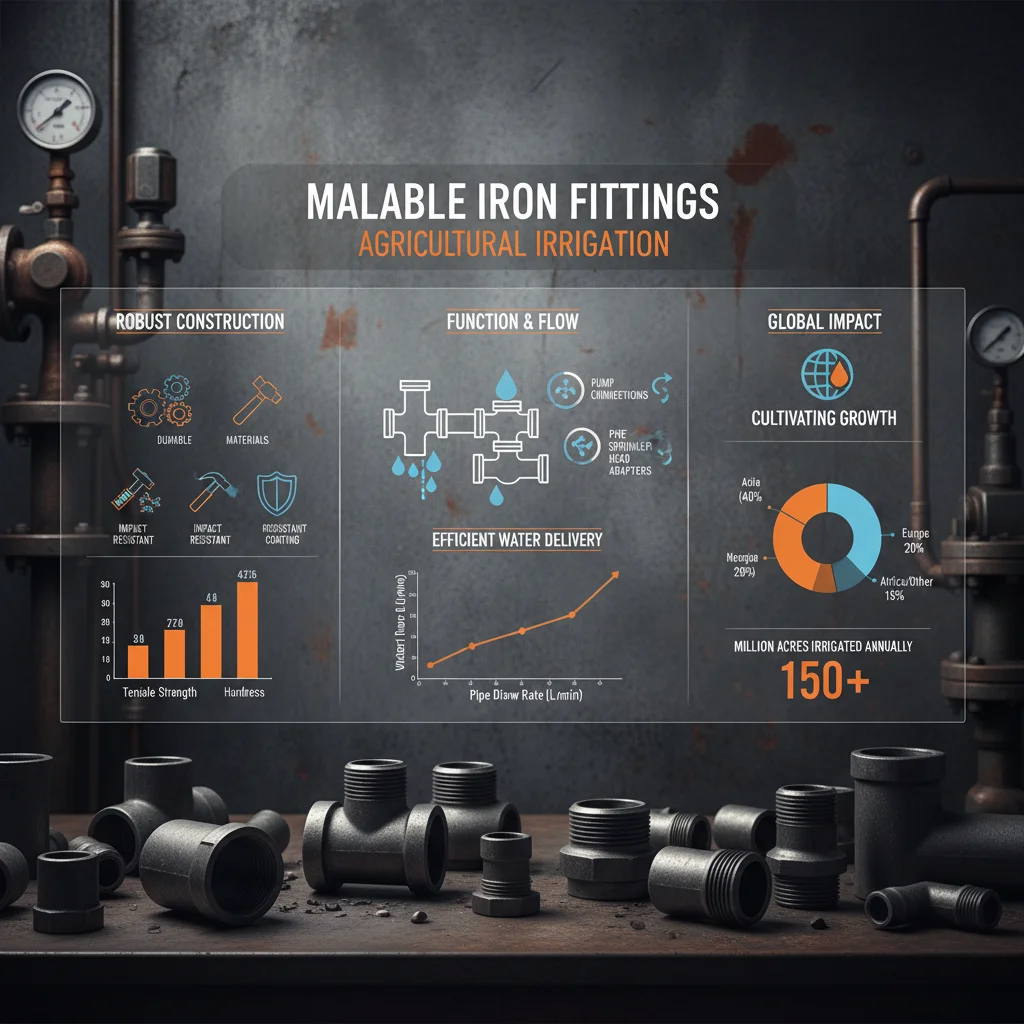
Malleable iron fittings find widespread application across numerous industries. In the municipal water supply sector, they are crucial for constructing and maintaining distribution networks, ensuring the delivery of clean water to homes and businesses. The agricultural industry utilizes these fittings in irrigation systems, allowing for efficient water management in crop production.
In post-disaster relief operations, the rapid deployment and durability of malleable iron fittings for water supply & drainage make them invaluable for establishing temporary water supply and sanitation systems. In remote industrial zones, where access to alternative materials may be limited, these fittings provide a reliable and cost-effective plumbing solution.
Benefits and Long-Term Value
The tangible benefits of using malleable iron fittings are numerous. The Cost-Effectiveness over the lifecycle of the system is significant due to their durability and resistance to failure, reducing maintenance and replacement costs. Their inherent Sustainability stems from their long lifespan and recyclability, minimizing environmental impact.
Beyond the practical advantages, malleable iron fittings offer emotional and logical benefits. The Reliability provides peace of mind to both homeowners and businesses, ensuring a consistent and safe water supply. The Safety inherent in a durable, leak-resistant system enhances public health and well-being, building trust in the infrastructure that serves communities.
Future Trends and Innovations
The future of malleable iron fittings is intertwined with broader trends in infrastructure and technology. Ongoing research focuses on developing advanced coatings to further enhance corrosion resistance and extend the lifespan of these fittings. Digital transformation is also playing a role, with the integration of sensors and monitoring systems to detect leaks and optimize water distribution.
The drive towards sustainability is fueling innovation in materials and manufacturing processes. Exploring the use of recycled iron and reducing the carbon footprint of production are key areas of focus. The increasing demand for smart water grids will necessitate fittings capable of integrating with automated control systems.
Automation and advanced manufacturing techniques are improving the precision and efficiency of malleable iron fitting production, further reducing costs and enhancing quality.
Summary of Challenges and Potential Solutions for Malleable Iron Fittings
| Challenge |
Impact on Water Systems |
Potential Solution |
Implementation Cost (Scale 1-10) |
| Corrosion in Aggressive Soil |
Reduced lifespan, potential leaks |
Advanced epoxy coatings |
6 |
| Installation Errors |
Leaks, reduced system efficiency |
Enhanced training for installers |
4 |
| Material Costs |
Higher upfront investment |
Optimized manufacturing processes |
7 |
| Aging Infrastructure |
Increased risk of failures |
Proactive inspection and maintenance programs |
5 |
| Lack of Standardization |
Compatibility issues |
Strict adherence to ISO standards |
3 |
| Limited Real-time Monitoring |
Delayed detection of leaks |
Integration of sensor technology |
8 |
FAQS
While PVC is often more affordable upfront, malleable iron fittings offer superior durability, higher pressure resistance, and greater resistance to corrosion, particularly in aggressive soil conditions. This translates to a longer lifespan and reduced maintenance costs over the long term, making them a more sustainable and reliable choice for critical water supply infrastructure. They also provide better protection against physical damage.
Malleable iron fittings exhibit excellent temperature stability, making them well-suited for hot water systems. They can withstand the thermal expansion and contraction associated with temperature fluctuations without significant degradation or risk of failure. This ensures the long-term integrity of the plumbing system and prevents leaks or bursts. Their ability to maintain structural integrity at higher temperatures is a key benefit.
A properly installed and maintained malleable iron fitting can have a lifespan of 75 years or more. This longevity is a significant advantage, reducing the need for frequent replacements and minimizing lifecycle costs. Factors such as soil conditions, water quality, and installation practices can influence lifespan, but the inherent durability of malleable iron ensures a long service life.
Malleable iron fittings are generally compatible with a range of piping materials, including steel, galvanized iron, and even some types of plastic. However, it's crucial to use appropriate joining methods and dielectric unions when connecting dissimilar metals to prevent galvanic corrosion. Proper installation techniques are key to ensuring compatibility and avoiding potential issues.
Malleable iron fittings require minimal maintenance. Periodic visual inspections to check for corrosion or leaks are recommended. If corrosion is detected, applying a protective coating can extend the lifespan of the fitting. Regular flushing of the system can also help prevent the buildup of sediment and debris. Overall, their robust nature minimizes the need for extensive maintenance.
Malleable iron is a recyclable material, reducing the environmental impact of disposal. Their longevity minimizes the need for replacements, conserving resources and reducing waste. Their leak-resistant properties contribute to water conservation efforts. By providing a durable and reliable solution, malleable iron fittings support the development of sustainable plumbing infrastructure.
Conclusion
In conclusion, malleable iron fittings for water supply & drainage remain a vital component of modern infrastructure, offering a compelling combination of durability, reliability, and cost-effectiveness. Their ability to withstand harsh conditions, resist corrosion, and provide long-term performance makes them a preferred choice for a wide range of applications, from municipal water systems to industrial pipelines. The ongoing advancements in materials science and manufacturing techniques are further enhancing their value and sustainability.
Looking ahead, continued investment in research and development, coupled with a commitment to standardized quality control, will be crucial for ensuring the continued success of malleable iron fittings. Embracing innovative technologies, such as smart monitoring systems, will allow for proactive maintenance and optimization of water infrastructure, leading to improved efficiency and resource management. These fittings will continue to be a key piece of building robust, dependable water systems for generations to come.