Maintaining precise pressure control is a cornerstone of industrial safety and operational efficiency. In the complex landscape of fluid dynamics, the China pressure reducing valve serves as a critical component, designed to automatically lower a high incoming pressure to a stable, lower outgoing pressure, regardless of fluctuations in the supply or changes in demand.
Across global markets, the demand for reliable pressure regulation has surged as infrastructure projects become more sophisticated. From municipal water networks to high-pressure steam lines in chemical plants, the integration of a high-quality China pressure reducing valve ensures that downstream equipment is protected from over-pressurization, which significantly reduces the risk of catastrophic pipe bursts and mechanical failure.
Understanding the technical nuances and procurement advantages of these valves is essential for engineers and procurement managers. By leveraging advanced manufacturing capabilities, the modern China pressure reducing valve combines cost-effectiveness with rigorous international standards, offering a scalable solution for industries ranging from oil and gas to HVAC and pharmaceutical manufacturing.
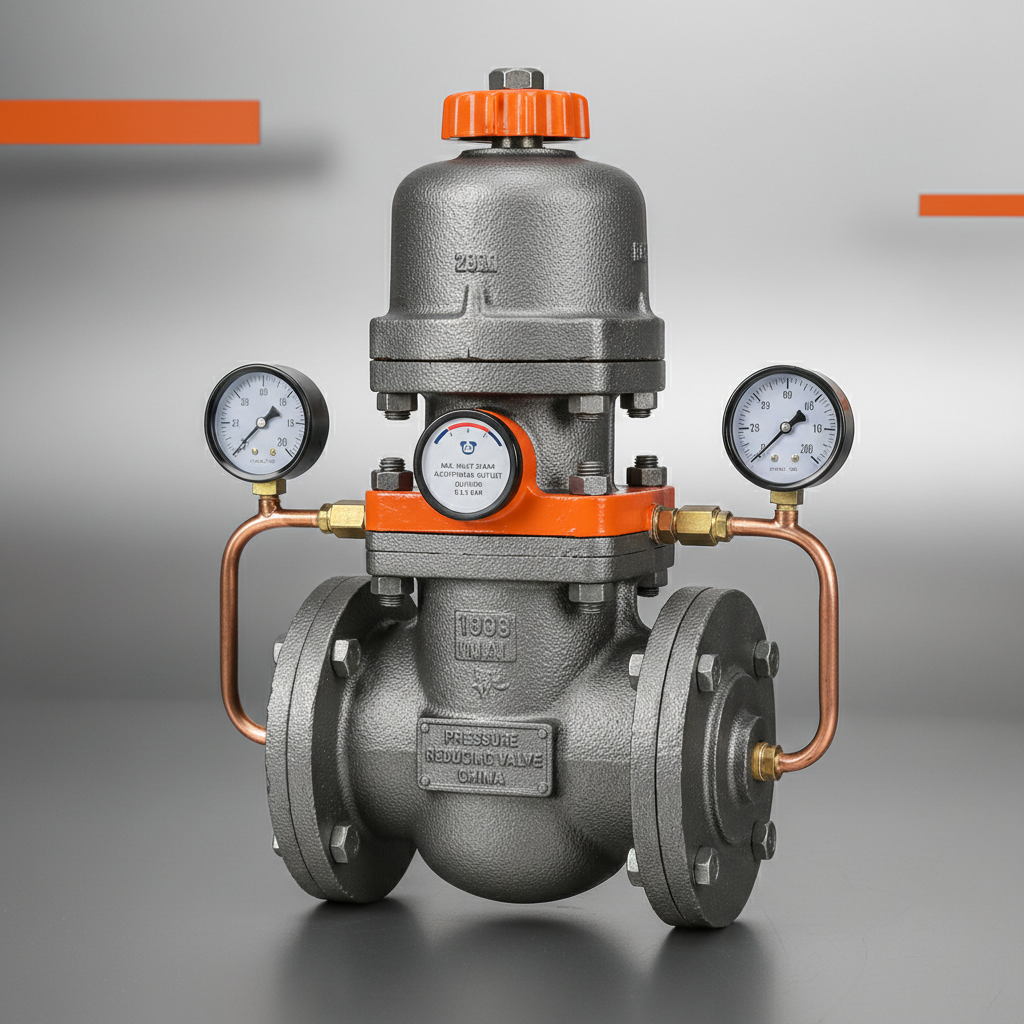
Global Market Dynamics of China Pressure Reducing Valve
The global industrial landscape has seen a significant shift toward the adoption of the China pressure reducing valve due to the optimization of manufacturing scales and the adherence to ISO quality standards. As emerging economies invest heavily in urban water management and energy infrastructure, the need for precision-engineered valves that can withstand extreme pressure differentials has become paramount.
Furthermore, the competitive edge of these valves lies in the synergy between raw material accessibility—such as high-grade stainless steel and ductile iron—and advanced CNC machining. This allows for the production of a China pressure reducing valve that meets the stringent requirements of the North American and European markets while remaining economically viable for large-scale deployments.
Technical Definition and Industrial Significance
At its core, a China pressure reducing valve is a self-actuated device that reduces a higher inlet pressure to a lower, predetermined outlet pressure. Unlike simple orifices, these valves are dynamic; they adjust their internal aperture in real-time to maintain a constant downstream pressure regardless of how much the flow rate varies or how the upstream pressure fluctuates.
The industrial significance of this technology cannot be overstated. In systems where high pressure is necessary for transport but detrimental for usage—such as in residential plumbing or precision chemical dosing—the China pressure reducing valve acts as a safeguard. It prevents "water hammer" effects and protects sensitive gaskets, seals, and instruments from premature wear and tear.
Moreover, the transition toward "smart cities" has integrated these valves into automated networks. By combining the mechanical reliability of a China pressure reducing valve with electronic sensors, municipalities can now monitor leakages and optimize pressure zones remotely, reducing water loss and energy consumption across the grid.
Core Engineering Components and Durability
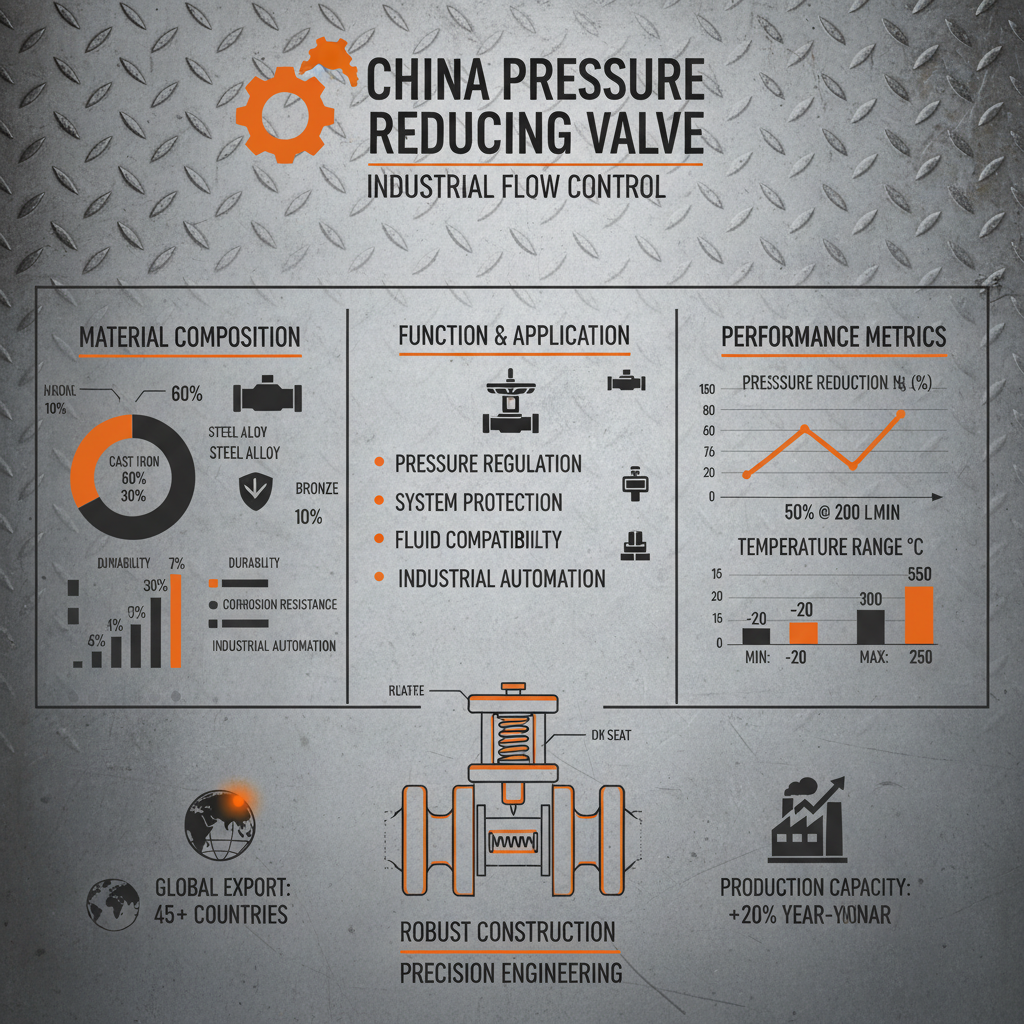
The longevity of a China pressure reducing valve is determined by the quality of its internal components. The diaphragm, acting as the sensing element, must be crafted from high-elasticity elastomers or reinforced stainless steel to ensure it responds accurately to pressure changes over millions of cycles.
Central to the operation of the China pressure reducing valve is the valve seat and disc assembly. To combat cavitation and erosion, these parts are often treated with hard-facing materials or constructed from hardened alloys, ensuring that the valve maintains a tight seal even under high-velocity flow conditions.
The external casing of a China pressure reducing valve typically utilizes epoxy-coated ductile iron or 316L stainless steel. This prevents corrosion in aggressive environments, such as seaside industrial zones or wastewater treatment plants, extending the service life of the unit to several decades with minimal maintenance.
Performance Benchmarks and Efficiency Metrics
When evaluating the performance of a China pressure reducing valve, engineers look at the "droop" or the pressure deviation relative to the flow rate. A high-performance valve minimizes this deviation, ensuring that the downstream equipment receives a steady stream of fluid without oscillations that could trigger system alarms or cause process instability.
Efficiency is also measured by the pressure recovery and the coefficient of flow (Cv). A well-designed China pressure reducing valve optimizes the internal flow path to reduce turbulence, thereby minimizing energy loss and noise pollution—a critical factor for valves installed in urban residential areas or hospital environments.
Comparative Performance Analysis of Pressure Reducing Valve Models
Real-World Applications Across Diverse Sectors
In the realm of municipal water distribution, the China pressure reducing valve is indispensable for District Metered Areas (DMAs). By reducing the pressure in older pipe networks, these valves prevent bursts caused by excessive nocturnal pressure, thereby reducing non-revenue water (NRW) losses for city utilities.
Beyond water, these valves are critical in the oil and gas sector, where high-pressure transmission lines must be stepped down before entering refinery processing units. The robustness of a China pressure reducing valve ensures that hazardous fluids are managed safely, preventing leaks that could lead to environmental disasters or industrial accidents.
Long-Term Value and Operational Reliability
The long-term value of investing in a premium China pressure reducing valve manifests in the total cost of ownership (TCO). While lower-grade valves may offer initial savings, they often succumb to seat erosion and diaphragm failure, leading to frequent downtime and expensive emergency repairs.
Reliability is not just about material strength; it is about consistency. A high-quality China pressure reducing valve provides stable output over years of operation, which translates to the longevity of all downstream components—pumps, filters, and sensors—effectively lowering the maintenance budget of the entire facility.
Furthermore, the psychological peace of mind provided by a certified China pressure reducing valve is invaluable. In critical systems, knowing that a valve will reliably clamp down on a pressure surge protects not only the machinery but also the personnel operating the plant, fostering a culture of safety and trust.
Future Innovations in Pressure Regulation Technology
The future of the China pressure reducing valve is inextricably linked to the "Industry 4.0" movement. We are seeing a transition from purely mechanical pilots to electronic controllers that can adjust pressure set-points based on real-time demand data, minimizing energy waste and optimizing fluid velocity.
Material science is also evolving, with the introduction of graphene-enhanced coatings and advanced ceramics for valve internals. These innovations allow the China pressure reducing valve to operate in increasingly corrosive environments, such as deep-sea mining or highly acidic chemical processing, without compromising precision.
Sustainability is the final frontier. New designs for the China pressure reducing valve are focusing on reducing the carbon footprint of the manufacturing process itself, utilizing recycled alloys and energy-efficient forging techniques to meet global "green" procurement mandates.
Technical Analysis of China Pressure Reducing Valve Material and Performance
| Material Grade |
Pressure Range |
Corrosion Resistance |
Expected Life (Years) |
| Ductile Iron (Epoxy) |
1.0 - 16 Bar |
Moderate |
15-20 |
| Stainless Steel 304 |
1.0 - 40 Bar |
High |
25-30 |
| Stainless Steel 316L |
1.0 - 63 Bar |
Very High |
30+ |
| Cast Steel (WCB) |
10 - 100 Bar |
Low to Moderate |
20-25 |
| Alloy Steel (Cr-Mo) |
50 - 250 Bar |
Moderate |
20-30 |
| Duplex Stainless |
1.0 - 100 Bar |
Extreme |
40+ |
FAQS
Typically, a China pressure reducing valve should undergo a comprehensive inspection every 6 to 12 months, depending on the fluid quality. In systems with high sediment or scaling, more frequent cleaning of the strainer and checking of the diaphragm is recommended to prevent drift in the outlet pressure and ensure long-term reliability.
Most China pressure reducing valve models are designed for horizontal installation to ensure the pilot system functions correctly. However, some specific designs allow for vertical installation provided the flow is upward. Always consult the technical manual of your specific model to avoid malfunctions caused by gravity affecting the valve disc.
While the terms are often used interchangeably, a China pressure reducing valve usually refers to a larger-scale industrial device meant for liquids or steam in piping systems, whereas a regulator is often a smaller component used for gases in laboratory or medical equipment. Both perform the same core function of maintaining a constant downstream pressure.
Noise and vibration in a China pressure reducing valve are often signs of cavitation. To solve this, you can install the valve in a series (multi-stage reduction) to lower the pressure in smaller increments or choose a model with an anti-cavitation trim. Ensuring the valve is correctly sized for the actual flow rate also eliminates most vibration issues.
Yes, importing a China pressure reducing valve is highly cost-effective because of the advanced industrial clusters in China that reduce production overhead. When combined with international certifications like CE or API, you receive a product that matches the quality of Western brands at a significantly lower price point per unit.
For corrosive environments, we recommend a China pressure reducing valve constructed from 316L Stainless Steel or Duplex Stainless Steel. For extremely aggressive acids, PTFE-lined bodies or specialized alloys like Hastelloy can be used to prevent pitting and chemical degradation of the valve internals.
Conclusion
In summary, the China pressure reducing valve is a vital instrument for ensuring the safety, efficiency, and longevity of modern industrial fluid systems. From its core engineering—focusing on material durability and precise diaphragm response—to its diverse applications in municipal water and oil and gas, it provides a scalable and reliable solution for complex pressure management challenges. By balancing high-performance metrics with cost-efficiency, these valves allow industries to maintain stable operations while reducing the risk of infrastructure failure.
Looking ahead, the integration of digital monitoring and sustainable manufacturing will further elevate the role of the China pressure reducing valve in a greener, smarter industrial world. We suggest that procurement officers and system designers prioritize valves that offer a balance of certified material quality and adaptable technology to future-proof their installations. For high-quality, reliable pressure solutions, visit our website: www.hebei-fitting.com