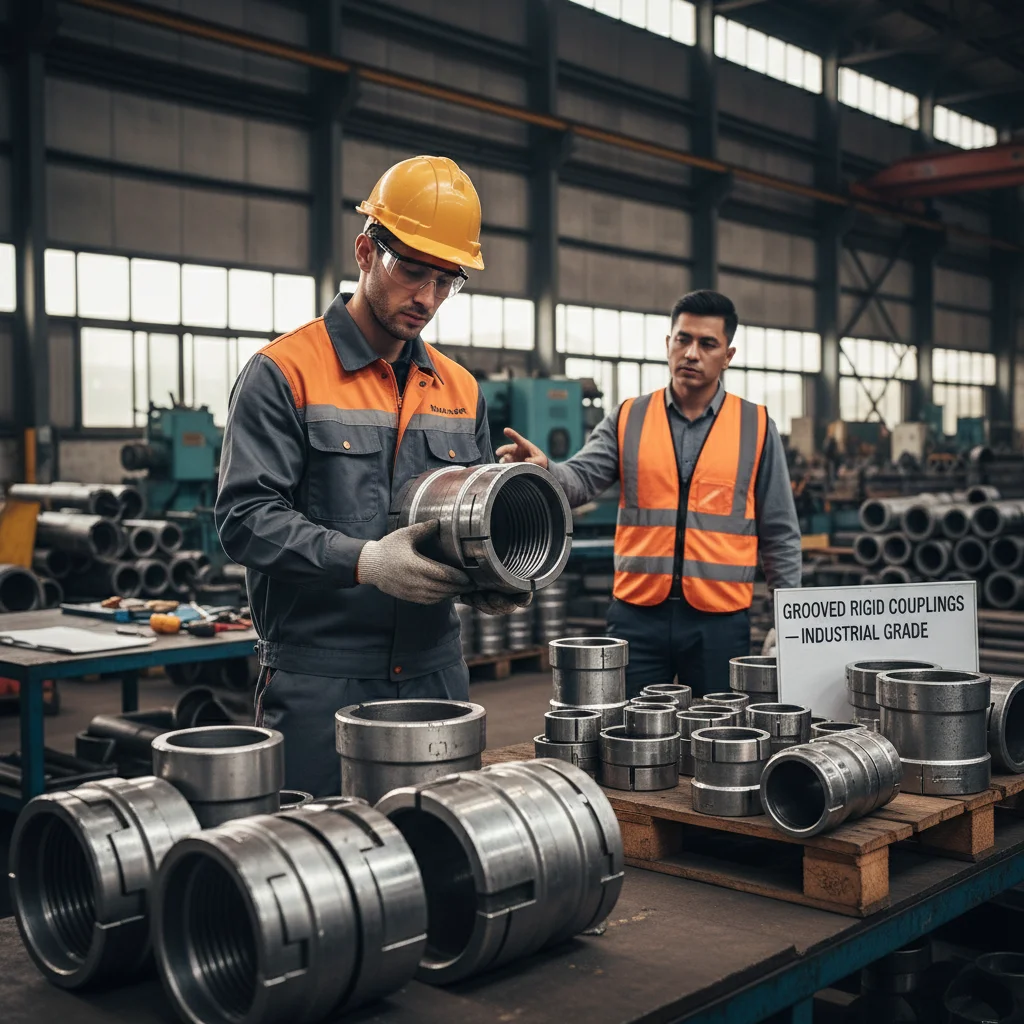
Custom stainless plumbing fittings are critical components in a vast array of industries, from chemical processing and pharmaceutical manufacturing to food and beverage production and water treatment. Their ability to withstand corrosive environments, maintain material purity, and provide long-lasting, reliable performance makes them indispensable for ensuring process integrity and product quality. Understanding the nuances of these fittings—material grades, connection types, and specialized designs—is crucial for optimizing system efficiency and minimizing maintenance costs.
Globally, the demand for high-quality stainless steel plumbing fittings is surging, driven by increasing industrialization, stricter environmental regulations, and the need for infrastructure upgrades. This demand isn’t limited to developed nations; emerging economies are rapidly expanding their manufacturing sectors, requiring robust and dependable fluid handling systems. As industries become more focused on sustainability and reducing waste, the demand for durable, long-life components like custom stainless steel fittings will continue to grow.
The importance of selecting the right custom stainless plumbing fittings extends beyond simply preventing leaks. It impacts overall system safety, reduces the risk of contamination, and can significantly lower long-term operational expenses. Investing in quality fittings now can prevent costly downtime, repairs, and potential environmental liabilities in the future. custom stainless plumbing fittings are a cornerstone of modern infrastructure.
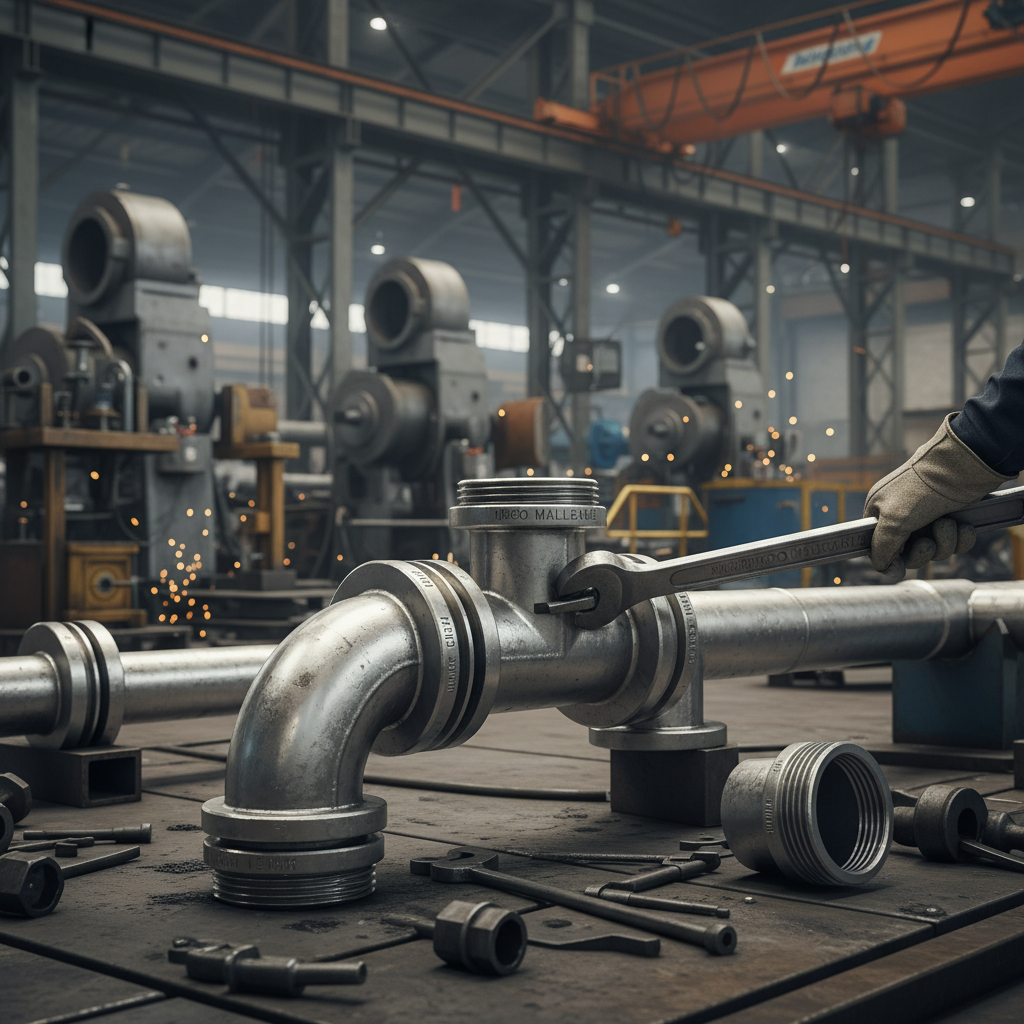
The Global Significance of Custom Stainless Plumbing Fittings
The global market for stainless steel plumbing fittings is estimated to be worth billions of dollars, with consistent growth projected over the next decade. According to a report by Grand View Research, the stainless steel market alone was valued at USD 75.43 billion in 2022 and is expected to expand at a compound annual growth rate (CAGR) of 6.7% from 2023 to 2030. This growth is largely attributable to increasing demand from end-use industries such as construction, chemical processing, and oil & gas. custom stainless plumbing fittings play a critical role in this expanding market.
The need for reliable and corrosion-resistant fluid handling systems is particularly acute in regions with harsh climates or limited access to clean water. The United Nations estimates that over 2 billion people lack access to safely managed drinking water services, creating a significant demand for robust plumbing infrastructure. High-quality fittings are essential for building and maintaining these systems, ensuring safe and efficient water delivery to communities worldwide.
Defining Custom Stainless Plumbing Fittings
Custom stainless plumbing fittings are components designed to connect, control, and redirect the flow of fluids – liquids or gases – within a piping system. Unlike standard fittings produced in mass quantities, custom fittings are manufactured to specific dimensions, materials, and configurations to meet the unique requirements of a particular application. These specifications might include non-standard sizes, unique connection types, or specialized material grades resistant to specific chemicals or temperatures.
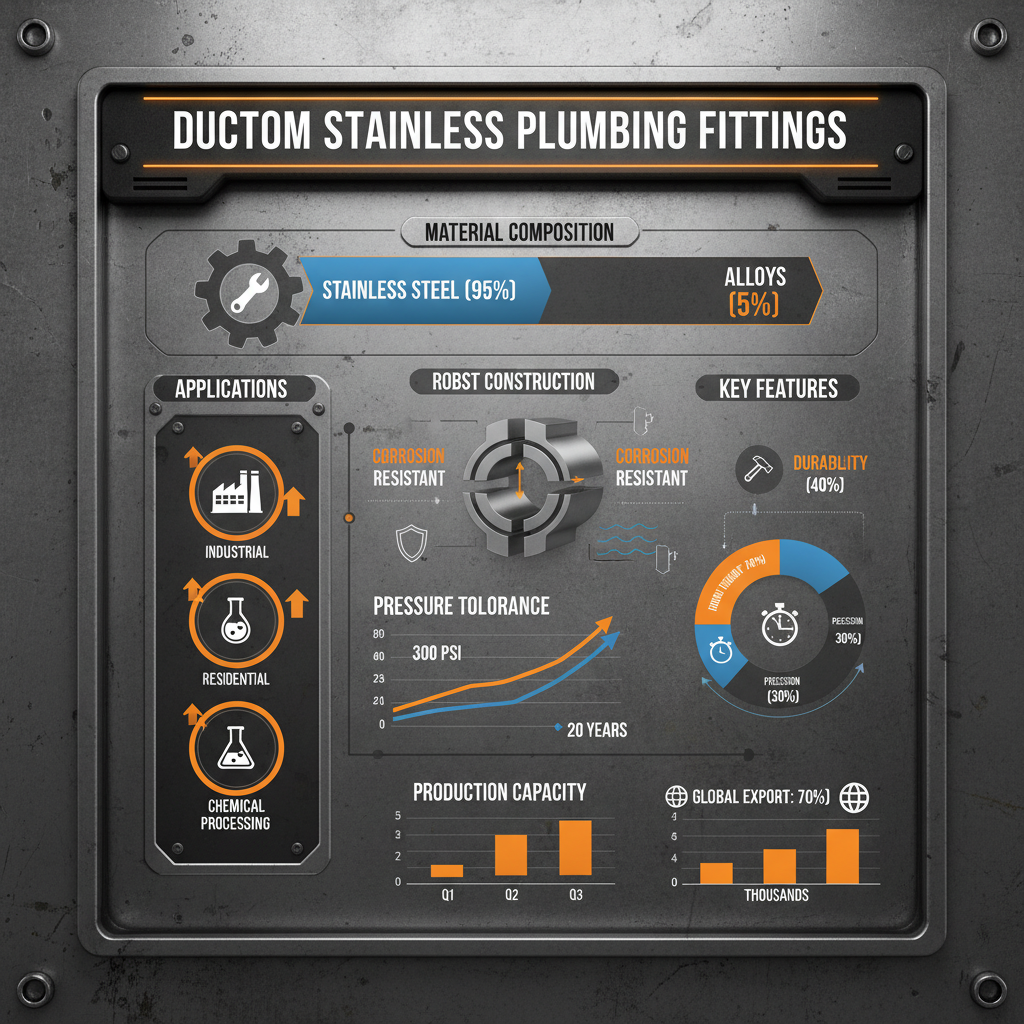
The term "stainless steel" refers to a family of iron-based alloys containing at least 10.5% chromium. This chromium content forms a passive layer of oxide on the surface, protecting the underlying metal from corrosion. Different grades of stainless steel, such as 304, 316, and 316L, offer varying levels of corrosion resistance, strength, and weldability, making them suitable for diverse applications. The choice of stainless steel grade for custom stainless plumbing fittings is crucial for long-term performance.
In modern industry, custom stainless plumbing fittings are integral to maintaining process integrity, preventing contamination, and ensuring the safe and efficient transport of critical fluids. They are not simply mechanical connectors; they are essential components contributing to the overall reliability and longevity of complex industrial systems.
Key Properties of Custom Stainless Plumbing Fittings
Corrosion Resistance: This is arguably the most significant advantage of stainless steel fittings. Their ability to withstand corrosion from a wide range of chemicals, acids, and saline environments makes them ideal for harsh industrial applications and marine environments. Different grades offer varying levels of resistance, allowing for tailored solutions.
High Strength & Durability: Stainless steel possesses excellent tensile and yield strength, ensuring that fittings can withstand high pressures, temperatures, and mechanical stress. This durability translates to a longer service life, reducing the frequency of replacements and minimizing downtime.
Hygienic Properties: Stainless steel's smooth, non-porous surface prevents the buildup of bacteria and other contaminants, making it ideal for applications in the food, beverage, and pharmaceutical industries where hygiene is paramount. custom stainless plumbing fittings contribute to maintaining product purity.
Real-World Applications Across Industries
Custom stainless plumbing fittings are utilized extensively in the chemical processing industry for handling corrosive chemicals and maintaining process purity. In the pharmaceutical sector, they ensure the sterile transfer of fluids and meet stringent regulatory requirements. The food and beverage industry relies on their hygienic properties to prevent contamination and maintain product quality.
Beyond these core industries, these fittings play a vital role in water treatment plants, where they resist corrosion from chlorine and other treatment chemicals. They’re also crucial in the oil and gas industry, handling harsh fluids under high pressure. Even in architectural applications, stainless steel fittings are used for aesthetic and durability reasons, particularly in exposed plumbing systems.
Performance Comparison of custom stainless plumbing fittings Methods
Advantages and Long-Term Value Proposition
Investing in custom stainless plumbing fittings yields significant long-term benefits. Reduced maintenance costs are a primary advantage, as the durability and corrosion resistance minimize the need for frequent replacements. This translates to lower operational expenses and reduced downtime.
Furthermore, the hygienic properties of stainless steel contribute to enhanced product quality and safety, especially critical in sensitive industries like food processing and pharmaceuticals. From a sustainability perspective, the longevity of these fittings reduces waste and conserves resources, aligning with environmentally responsible practices.
Emerging Trends and Innovations
The integration of digital technologies, such as IoT sensors, is transforming the monitoring and maintenance of plumbing systems. Smart fittings equipped with sensors can provide real-time data on pressure, temperature, and flow rates, enabling predictive maintenance and preventing costly failures.
Advancements in material science are also leading to the development of new stainless steel alloys with enhanced corrosion resistance and strength. Additive manufacturing (3D printing) is also emerging as a viable method for producing complex custom fittings with greater design flexibility and reduced lead times.
Common Challenges and Innovative Solutions
One common challenge is the higher initial cost of stainless steel fittings compared to other materials like carbon steel or plastic. However, the long-term cost savings due to reduced maintenance and increased lifespan often outweigh the initial investment.
Another challenge is the potential for galvanic corrosion when stainless steel is connected to dissimilar metals. This can be mitigated by using appropriate insulating materials or compatible alloy combinations. Innovative solutions, such as advanced coating technologies and optimized alloy compositions, are continually being developed to address these challenges and enhance the performance of custom stainless plumbing fittings.
Supply chain disruptions can also pose a challenge, particularly for custom-designed fittings. Establishing strong relationships with reliable suppliers and exploring alternative sourcing options are crucial for ensuring uninterrupted production.
Summary of Challenges and Solutions for Custom Stainless Plumbing Fittings
| Challenge |
Impact on Systems |
Solution Strategy |
Long-Term Benefit |
| High Initial Cost |
Budget constraints during initial project phases. |
Life-cycle cost analysis demonstrating long-term savings. |
Reduced total cost of ownership. |
| Galvanic Corrosion |
System degradation and potential failures. |
Use of insulating materials or compatible alloys. |
Increased system reliability and lifespan. |
| Supply Chain Disruptions |
Project delays and increased lead times. |
Diversified sourcing and strong supplier relationships. |
Consistent supply and predictable project timelines. |
| Complex Custom Designs |
Increased manufacturing time and potential errors. |
Utilizing advanced CAD/CAM and 3D printing technologies. |
Faster turnaround times and improved accuracy. |
| Material Grade Selection |
Inadequate corrosion resistance for specific applications. |
Thorough chemical compatibility analysis and expert consultation. |
Optimized performance and extended service life. |
| Installation Errors |
Leaks, reduced efficiency, and potential system failure. |
Proper training and adherence to industry standards. |
Reliable operation and minimal downtime. |
FAQS
Lead times for custom fittings vary depending on the complexity of the design, material availability, and current production schedules. Generally, simpler designs with readily available materials can be delivered within 4-6 weeks, while more complex projects may require 8-12 weeks or longer. It's crucial to discuss specific requirements with the manufacturer to obtain an accurate estimate.
Yes, reputable manufacturers can produce custom stainless plumbing fittings to meet stringent industry standards such as ASME (American Society of Mechanical Engineers) and ASTM (American Society for Testing and Materials). It's essential to clearly specify the required standards during the design and quotation process. Certification and material traceability can also be provided upon request.
While 304 and 316 stainless steel are the most common choices, other materials can be used depending on the application requirements. These include 316L (low-carbon version of 316 for improved weldability), Duplex Stainless Steel (enhanced strength and corrosion resistance), and Hastelloy (for extremely corrosive environments). Selecting the appropriate material is crucial for long-term performance.
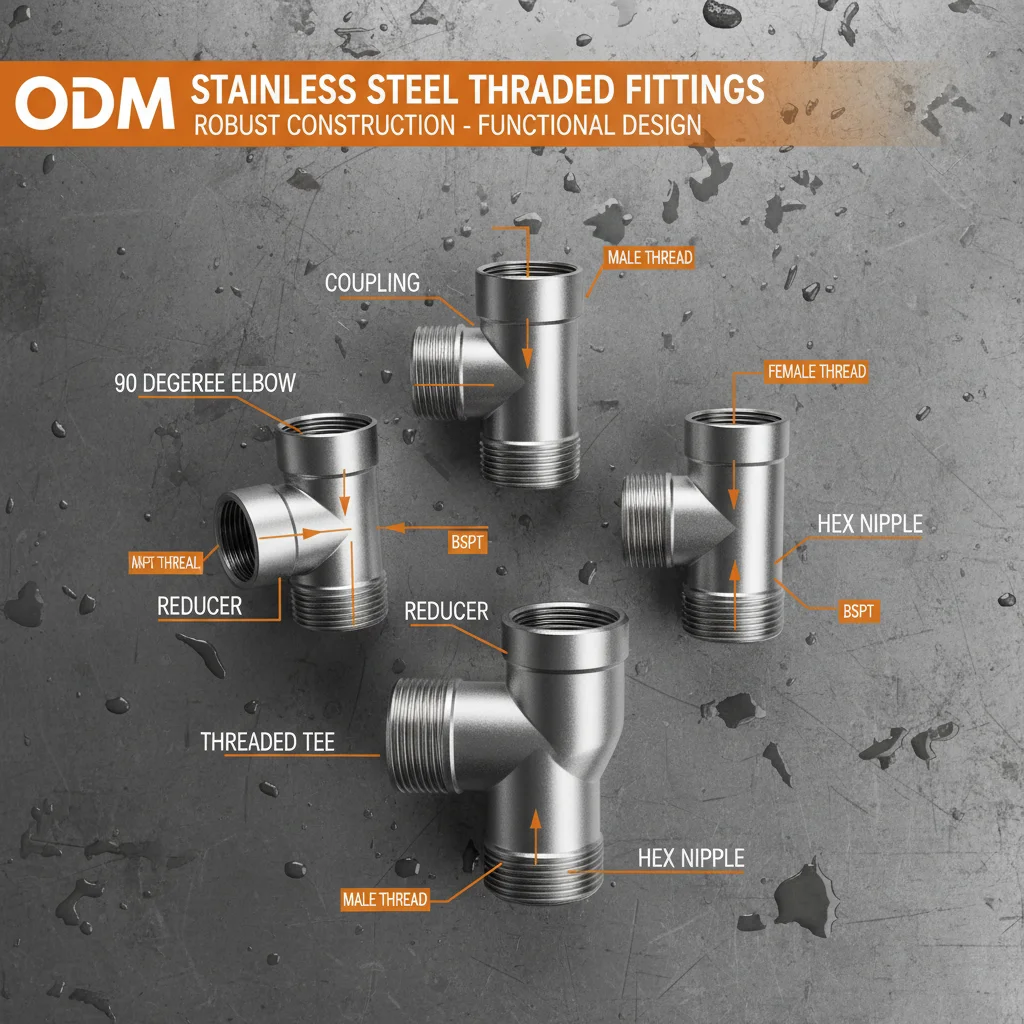
A wide range of connection options are available, including threaded connections (NPT, BSP), welded connections, flanged connections, compression fittings, and quick-connect couplings. The choice of connection type depends on factors such as pressure requirements, fluid compatibility, and ease of installation. custom stainless plumbing fittings can be tailored to fit existing systems.
Minimum order quantities (MOQs) vary by manufacturer and complexity of the fitting. Some manufacturers may have relatively low MOQs for simpler designs, while others may require larger quantities for highly customized parts. It’s best to discuss your specific needs with potential suppliers to determine their MOQ policy.
Look for manufacturers with robust quality control systems, including material testing, dimensional inspections, and non-destructive testing methods (e.g., radiography, ultrasonic testing). Request certifications and material traceability documentation to verify compliance with relevant standards. A thorough quality audit of the manufacturing facility is also recommended.
Conclusion
Custom stainless plumbing fittings are indispensable components in a multitude of industries, offering unmatched corrosion resistance, durability, and hygienic properties. Understanding their properties, applications, and emerging trends is critical for optimizing system performance, reducing costs, and ensuring long-term reliability. The continued advancements in materials science and manufacturing technologies will undoubtedly drive further innovation in this field.
Investing in high-quality custom stainless plumbing fittings is not merely an expense, but a strategic investment in the future of your operations. By partnering with a reputable manufacturer and carefully considering your specific application requirements, you can unlock significant benefits and ensure the integrity and efficiency of your fluid handling systems.