Mar. 21, 2026
Grooved rubber gaskets are essential components in a wide range of industrial applications, particularly in pipe joining systems. Offering a reliable and efficient sealing solution, these gaskets are designed to fit into grooves machined onto pipe ends, ensuring a leak-proof connection. This article delves into the intricacies of grooved rubber gaskets, covering their types, materials, applications, and benefits. Whether you're an engineer, procurement manager, or simply seeking information, this guide will provide a thorough understanding of this crucial sealing technology. Proper gasket selection and installation are key to maintaining system integrity and preventing costly downtime.
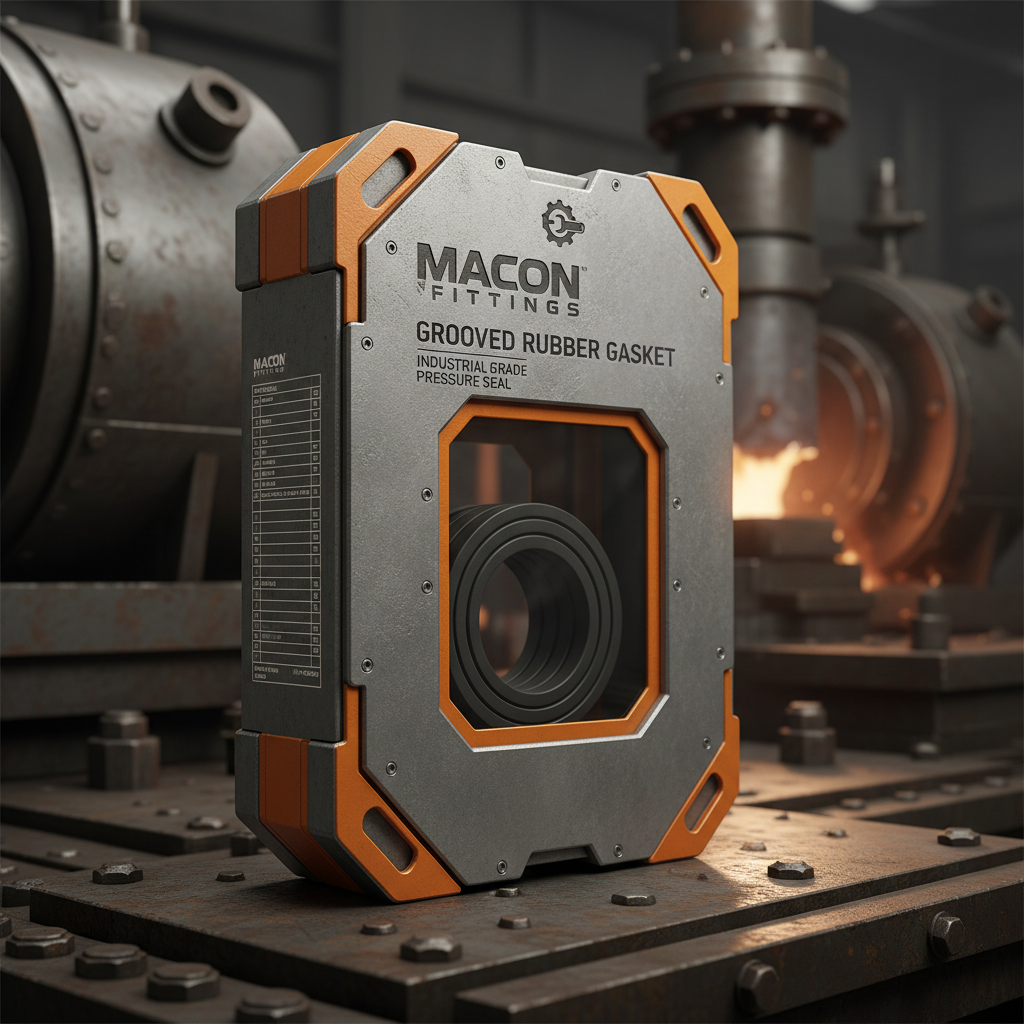
A grooved rubber gasket is a pre-formed rubber sealing element designed to fit precisely into a groove on the mating surfaces of pipes or fittings. This groove creates a secure housing for the gasket, allowing it to be compressed during assembly, creating a tight, leak-proof seal. These gaskets are frequently used with grooved pipe couplings, providing a quick and reliable connection method. The design ensures consistent pressure distribution around the joint, enhancing sealing performance and minimizing the risk of failure. They are often favored in applications demanding high reliability and ease of installation.
Key Highlights: Pre-formed rubber sealing element designed for grooved pipe couplings, providing a quick and reliable connection. Ensures consistent pressure distribution around the joint, enhancing sealing performance.
Grooved rubber gaskets come in various types, each suited for specific applications and operating conditions. Common types include:
The selection of the appropriate gasket material depends on the fluid being sealed, the operating temperature, and the pressure requirements of the system. Hebei Fitting offers a comprehensive range of grooved rubber gaskets to meet diverse industry needs.
Gasket Material Considerations:
• Fluid Compatibility: Ensure the gasket material is compatible with the fluid being sealed.
• Temperature Range: Select a material that can withstand the operating temperature.
• Pressure Requirements: Choose a gasket that can handle the system pressure.
Choosing the right material is crucial for ensuring long-term reliability. Here's a comparison of common materials:
Grooved rubber gaskets are widely utilized across numerous industries, including:
Their versatility and reliability make them a preferred choice for critical sealing applications. Hebei Fitting provides high-quality grooved rubber gaskets for diverse industrial requirements.
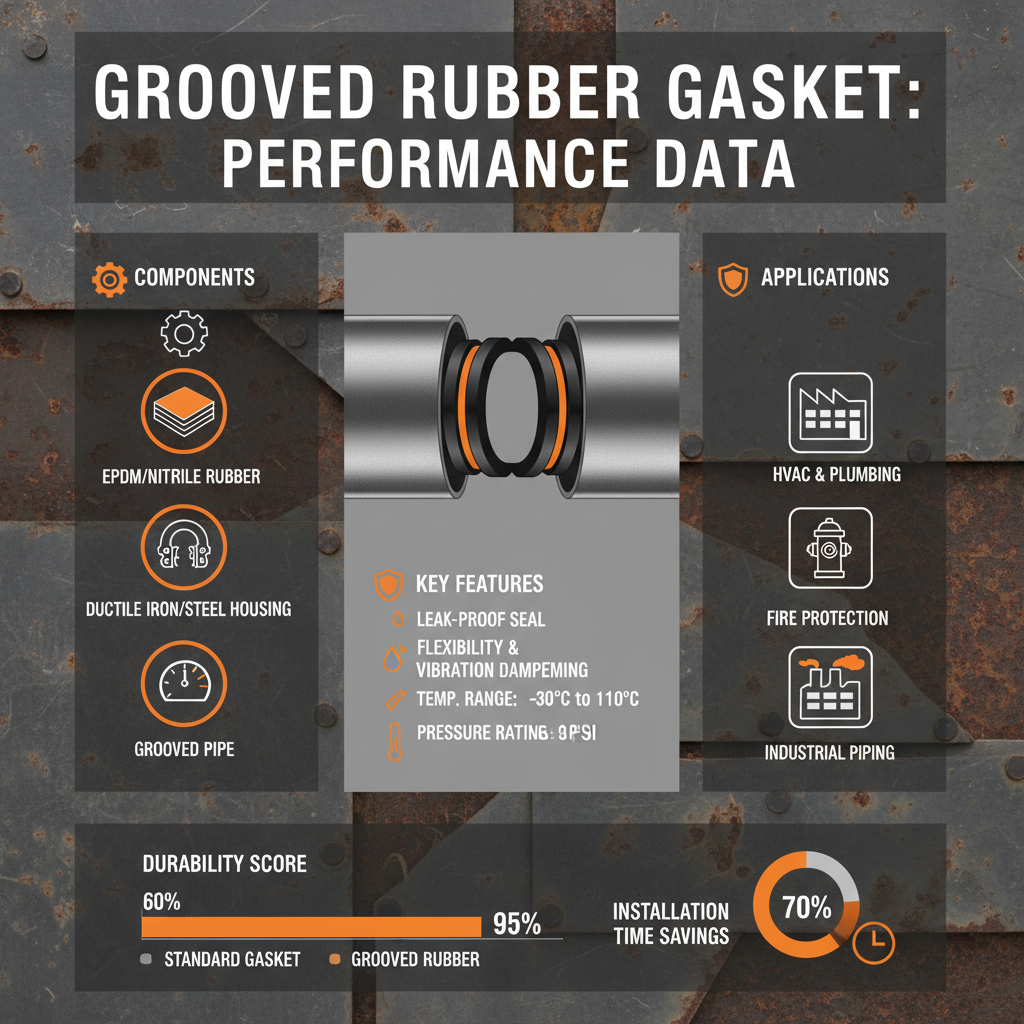
Utilizing grooved rubber gaskets offers numerous advantages:
Selecting the right grooved rubber gasket is crucial for ensuring the long-term integrity and performance of your piping systems. By understanding the different types of materials, their applications, and the benefits they offer, you can make an informed decision that meets your specific needs. Partner with a reliable supplier like Hebei Fitting to access high-quality gaskets and expert guidance.
Proper installation is critical for ensuring a leak-proof seal. First, ensure the grooves on both pipe ends are clean and free of debris. Lubricate the gasket with a compatible lubricant to facilitate installation. Carefully seat the gasket into the groove, ensuring it is fully seated and not twisted or damaged. Align the pipe ends and tighten the couplings evenly, following the manufacturer’s torque specifications. Avoid over-tightening, which can damage the gasket or couplings. Always inspect the completed joint for any signs of leakage.
The replacement frequency depends on the application, operating conditions, and the gasket material. As a general guideline, gaskets should be inspected annually and replaced if they show signs of wear, cracking, swelling, or deformation. For critical applications or harsh environments, more frequent inspections may be necessary. It's always best to follow the manufacturer’s recommendations and consider the specific requirements of your system.
Generally, it’s not recommended to reuse grooved rubber gaskets. Once a gasket has been compressed and sealed, its elastic properties are altered, and it may not provide a reliable seal upon reinstallation. Reusing a gasket increases the risk of leakage and potential system failure. It is always best practice to install a new gasket each time a joint is disassembled.
Grooved couplings with rubber gaskets offer several advantages over welded joints. They are faster and easier to install, requiring no specialized welding equipment or skills. They are also more cost-effective, as they eliminate the need for welding materials and labor. Grooved couplings allow for easy disassembly and maintenance, while welded joints are permanent. Additionally, grooved couplings reduce the risk of fire hazards associated with welding.
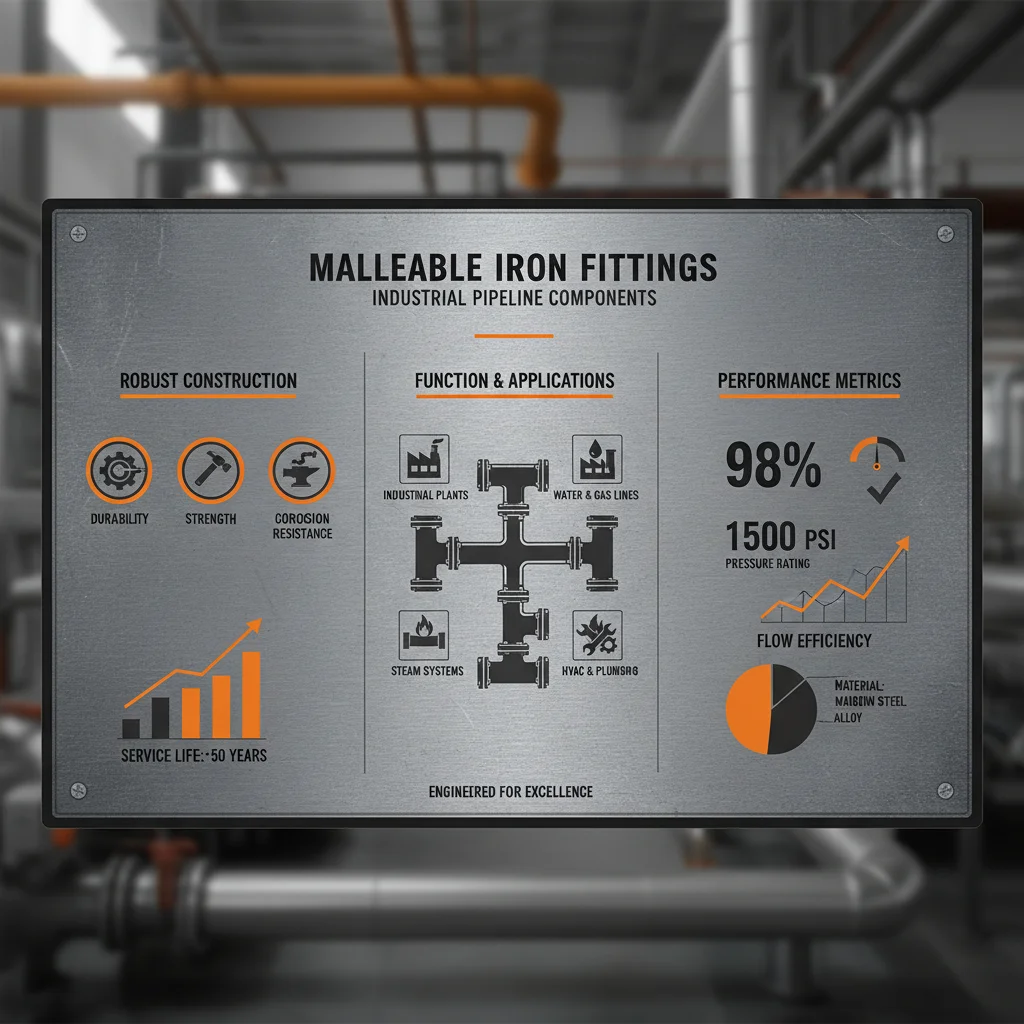
Mar 13,26
Malleable Iron Fittings Robust Connections for Industrial Excellence
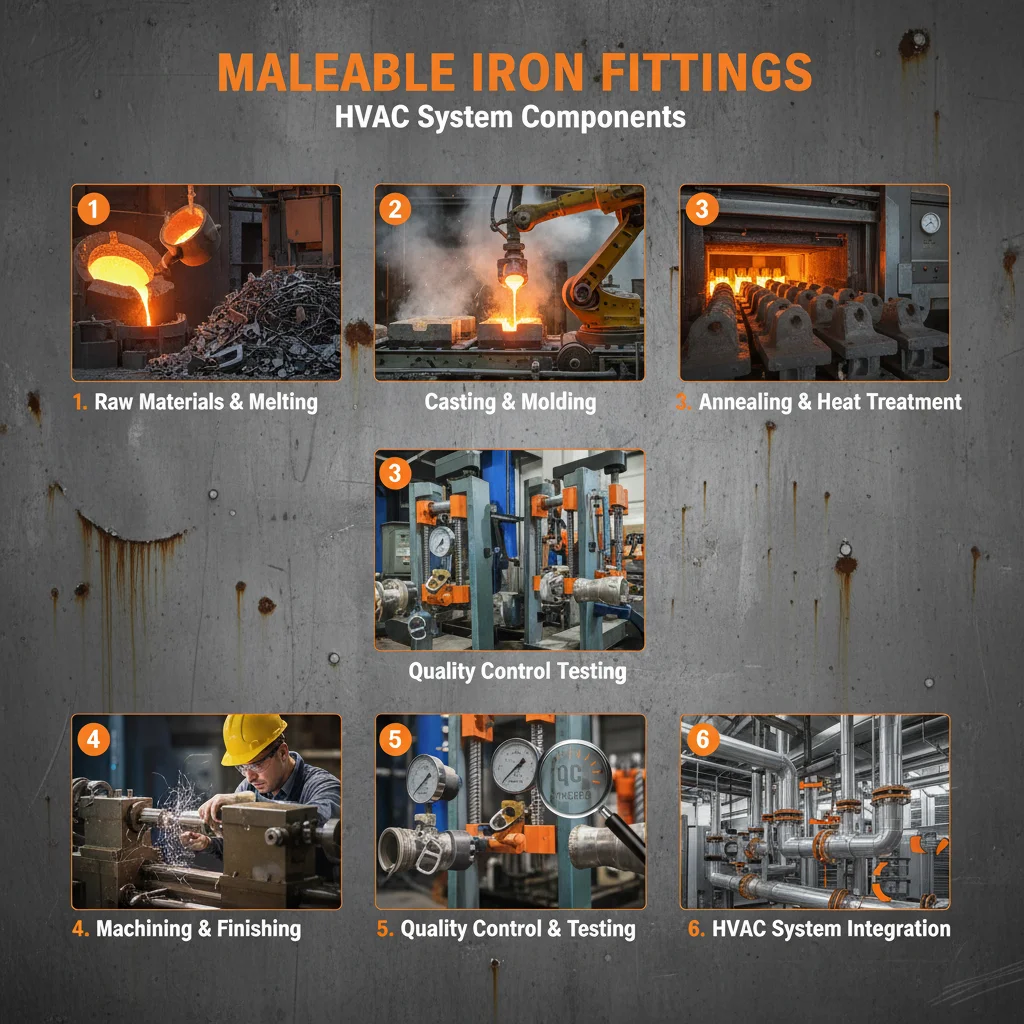
Mar 07,26
Comprehensive Guide to Durable Malleable Iron Fittings for HVAC System Applications
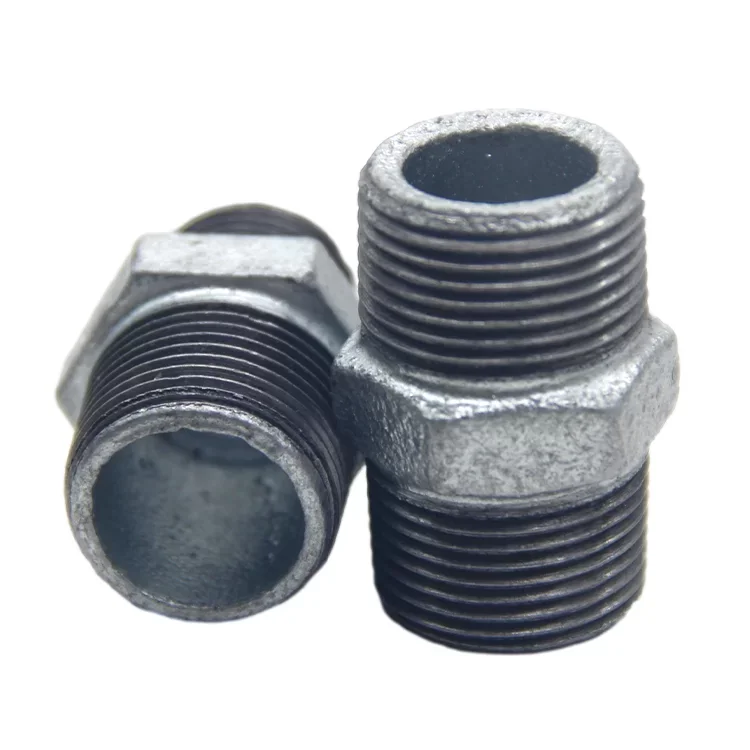
Apr 01,26
The global demand for durable pipeline components continues to grow as infrastructure development expands across industrial, municipal, and energy sectors.
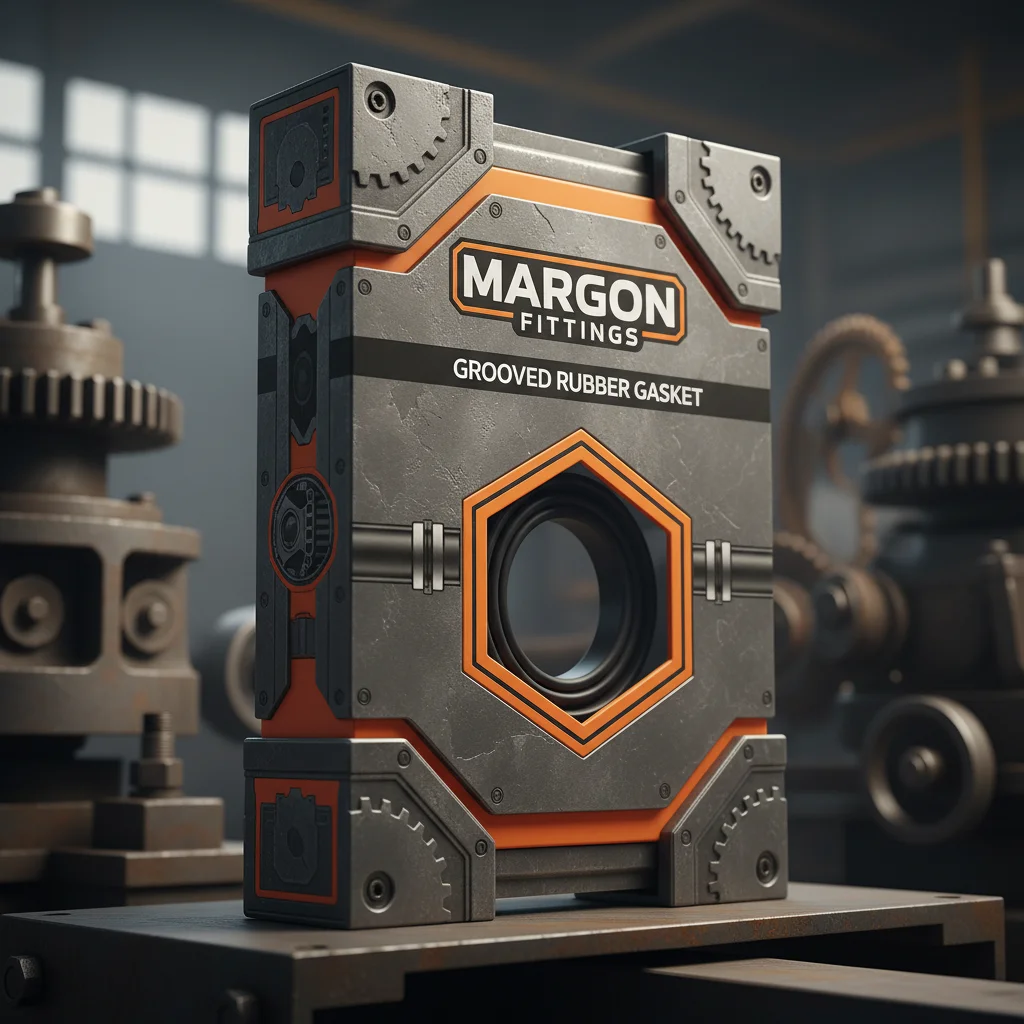
Mar 25,26
Reliable Grooved Rubber Gasket Solutions for Modern Piping Systems
Apr 22,26
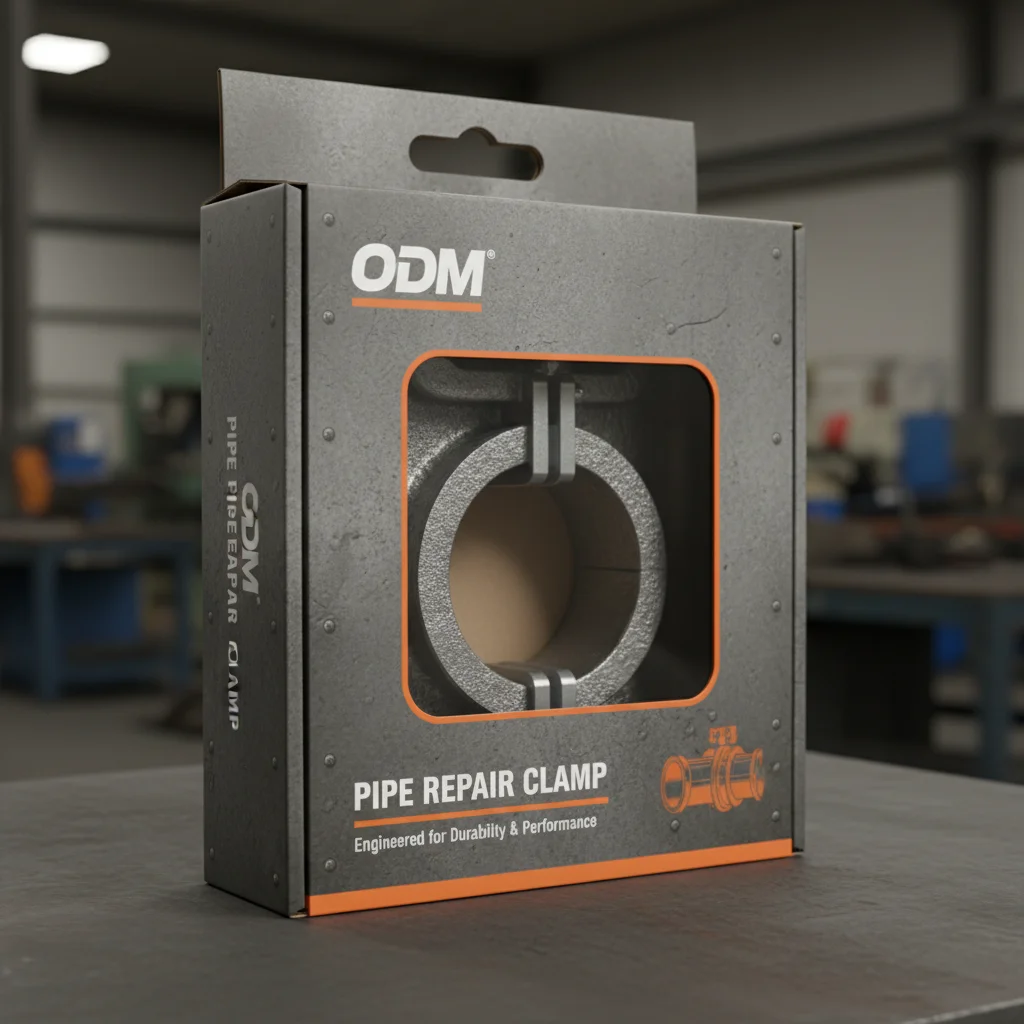
Custom Industrial ODM pipe repair clamp for High Pressure Sealing

May 04,26
Engineering Precision ODM Stainless Tube Fittings
Stay Updated with Us