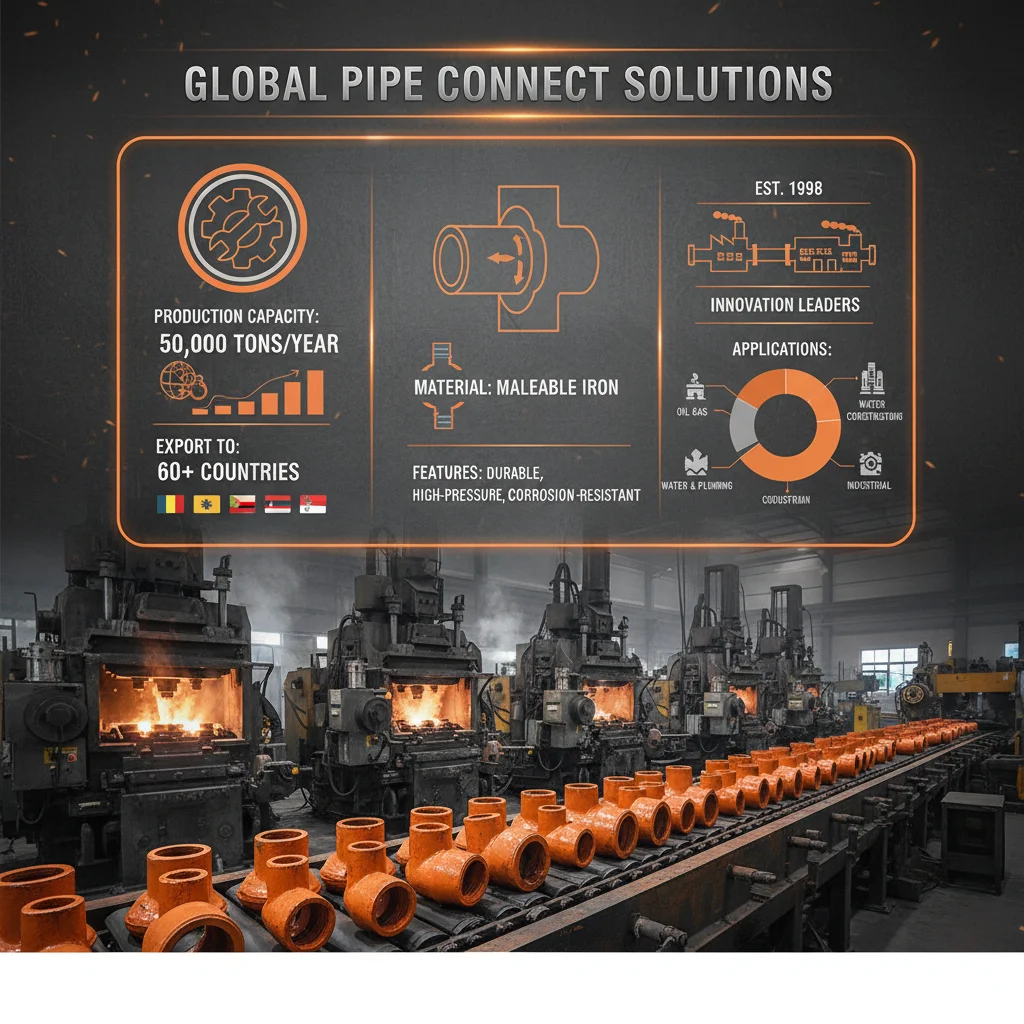
In the complex landscape of industrial fluid management, the implementation of a custom safety valve serves as the final line of defense against catastrophic overpressure events. Unlike standard off-the-shelf components, these tailored solutions are engineered to meet the precise thermodynamic and chemical requirements of specific operational environments, ensuring that equipment integrity is never compromised.
Global industrial standards, including those set by ISO and ASME, emphasize the critical nature of pressure relief systems in preventing workplace accidents and environmental disasters. As industries push toward higher pressures and more corrosive mediums, the demand for a custom safety valve has transitioned from a luxury to a fundamental safety requirement for sustainable operation.
Understanding the nuances of bespoke valve engineering allows plant managers to optimize throughput while maintaining a rigorous safety margin. By focusing on precision set-points and material compatibility, a custom safety valve not only protects human life but also significantly reduces unplanned downtime and costly equipment replacement.
Global Relevance of Custom Safety Valve Engineering
On a global scale, the integration of a custom safety valve is pivotal for industries operating in extreme environments, from the depths of offshore oil rigs to the sterile confines of pharmaceutical labs. With industrialization accelerating in emerging markets, the risk of systemic failure due to standardized equipment that fails to account for local temperature swings or unique chemical compositions has increased, necessitating a shift toward bespoke engineering.
The economic impact of pressure-related failures is staggering, often costing companies millions in lost production and legal liabilities. By implementing a custom safety valve, organizations can align their safety protocols with ISO 4126 standards, ensuring that their pressure relief devices are not just compliant, but optimally tuned to the specific kinetics of their process fluids.
Defining the Custom Safety Valve in Modern Industry
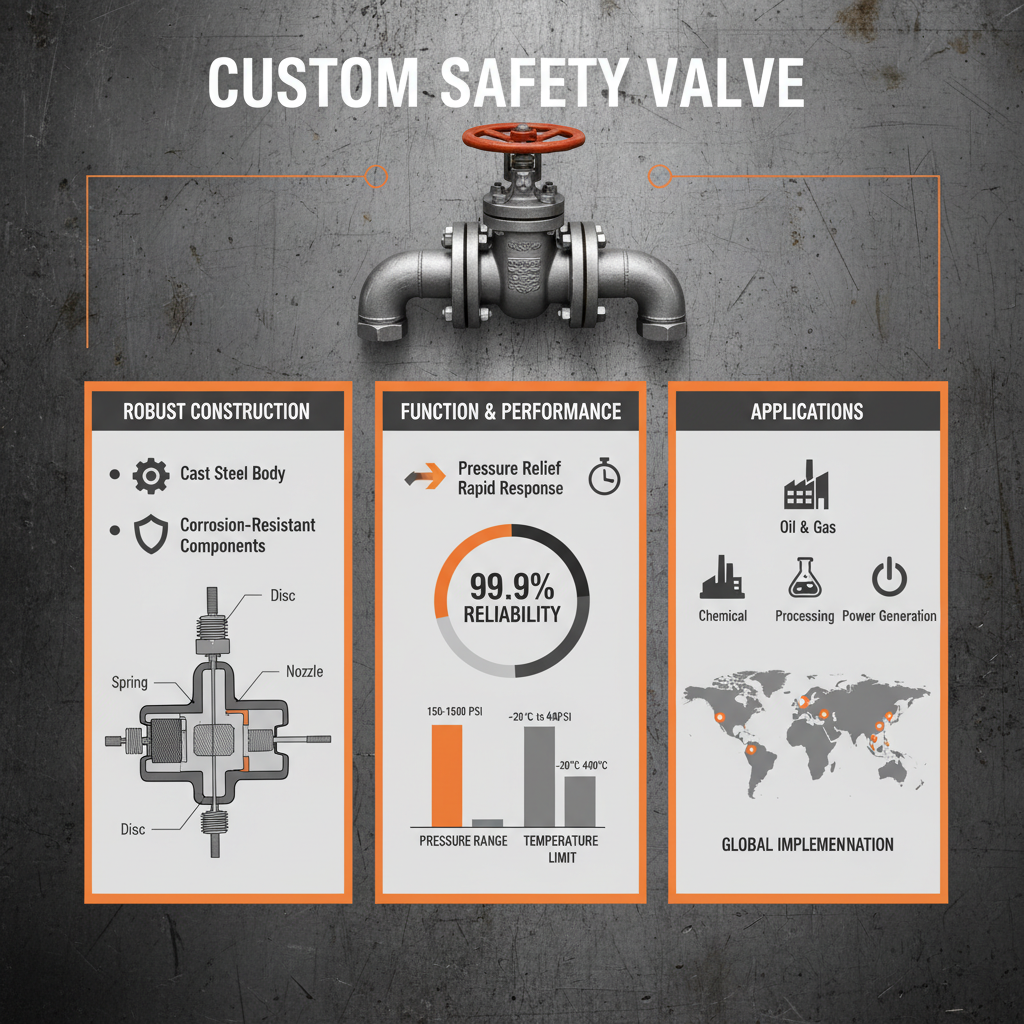
At its core, a custom safety valve is a specialized pressure-relief device designed to automatically release a predetermined amount of pressure from a boiler, pressure vessel, or piping system when the pressure exceeds a specific set point. Unlike standard valves, the "custom" element refers to the tailoring of the spring rate, orifice size, seat material, and body metallurgy to match the exact medium and pressure profile of the application.
In the context of modern humanitarian and industrial needs, these valves are essential for the safe transport of liquefied gases and the operation of water purification plants in remote regions. When a system handles non-Newtonian fluids or highly corrosive acids, a standard valve may seize or erode, leading to catastrophic failure; hence, a custom safety valve is engineered to maintain a bubble-tight seal until the exact moment of activation.
The relationship between customization and safety is linear: the more precisely a valve is tuned to its environment, the lower the probability of "simmering" or premature lifting. This precision ensures that the custom safety valve acts as a reliable failsafe, providing peace of mind to operators and safeguarding the surrounding community from industrial accidents.
Core Components and Technical Factors
The efficacy of a custom safety valve depends heavily on the selection of metallurgy. Whether utilizing 316L Stainless Steel for corrosion resistance or Hastelloy for extreme chemical aggression, the body material must withstand the medium without pitting or stress-corrosion cracking.
Precision spring calibration is the heart of the custom safety valve. Engineers must calculate the exact spring constant (k) to ensure the valve opens at the precise set pressure, accounting for temperature-induced changes in spring elasticity to avoid dangerous deviations in high-heat environments.
Sealing surfaces and seat geometry are further critical factors. A custom safety valve often employs specialized coatings or Lapped-metal seats to prevent leakage, ensuring that the valve remains closed during normal operations and opens fully and rapidly during an overpressure event.
Performance Metrics and Efficiency Analysis
When evaluating the success of a custom safety valve, engineers look at the discharge coefficient (Kd) and the blowdown percentage. A high discharge coefficient indicates that the valve can evacuate the pressure more efficiently, reducing the peak pressure reached during an event and minimizing the risk of vessel rupture.
Furthermore, the stability of the valve after opening is paramount. A well-designed custom safety valve avoids "chattering"—the rapid opening and closing of the valve—which can cause mechanical damage to the seat and lead to an incomplete seal upon closing.
Efficiency Comparison of Custom Safety Valve Configurations
Global Applications and Sectoral Use Cases
In the petrochemical sector, a custom safety valve is indispensable for managing hydrocarbon streams. For instance, in Middle Eastern refineries where ambient temperatures can exceed 50°C, custom-engineered valves with heat-resistant seals prevent the degradation of elastomer components, ensuring the valve doesn't stick during a critical surge.
Similarly, in the food and beverage industry, particularly in large-scale dairy processing in Europe, a custom safety valve is designed with sanitary finishes (Ra < 0.8μm) to prevent bacterial growth. These valves must handle steam sterilization (SIP) cycles without losing their calibration, highlighting the intersection of safety and hygiene.
Long-Term Value and Reliability Benefits
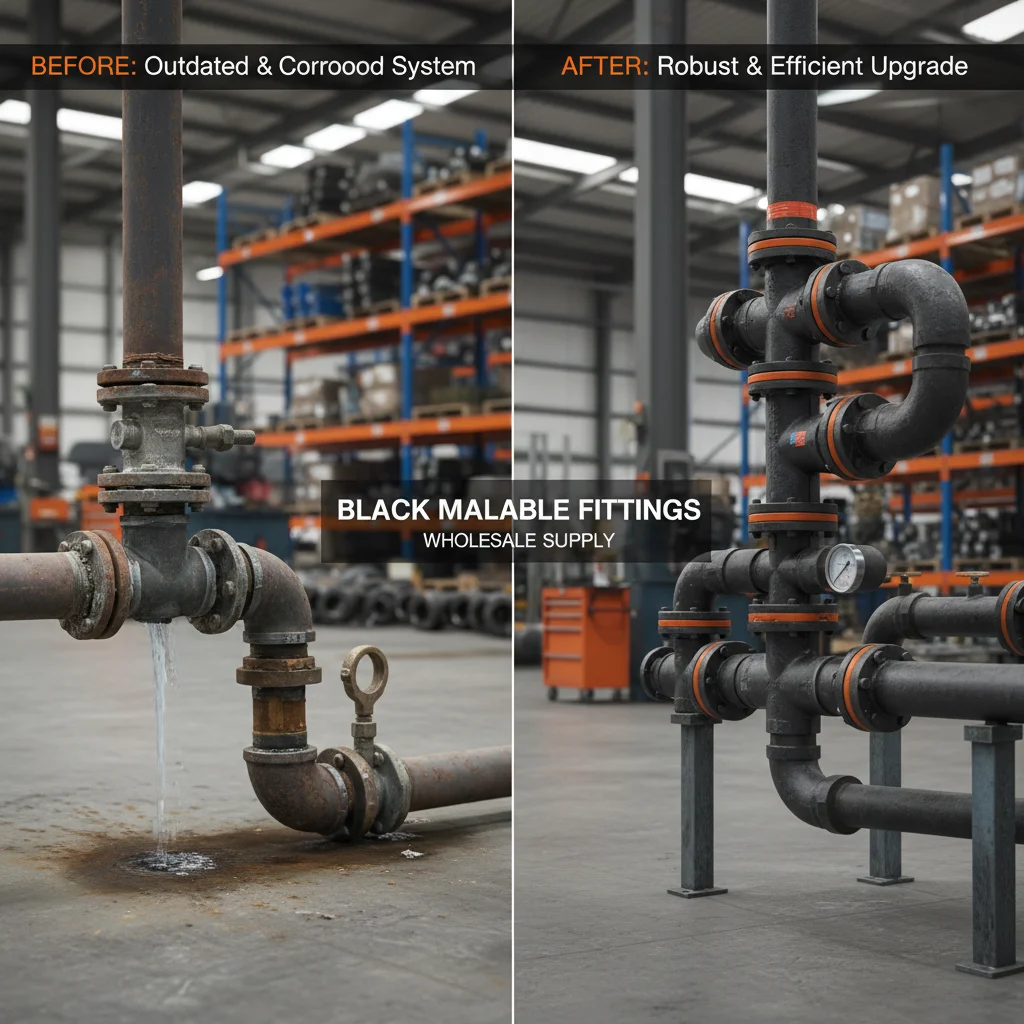
The long-term value of investing in a custom safety valve manifests in the drastic reduction of "leak-through" incidents. Standard valves often suffer from seat erosion over time, leading to a gradual loss of product and energy. A custom-engineered solution uses superior materials that extend the mean time between failures (MTBF), lowering the total cost of ownership.
Beyond the financial metrics, there is a profound psychological impact on the workforce. Knowing that the facility is protected by a custom safety valve tailored to the exact risks of the site fosters a culture of trust and safety. This reliability is the foundation upon which operational excellence is built.
Furthermore, sustainability is enhanced as custom valves reduce the frequency of replacement. By selecting materials that are perfectly matched to the chemical environment, the custom safety valve minimizes industrial waste and the carbon footprint associated with the manufacturing and shipping of replacement parts.
Future Innovations in Pressure Relief Technology
The next generation of the custom safety valve is moving toward "Smart Relief" systems. By integrating IoT sensors into the valve body, operators can now monitor the real-time status of the spring tension and seat integrity, shifting from scheduled maintenance to predictive maintenance.
Additive manufacturing (3D printing) is also revolutionizing the production of the custom safety valve. This allows for the creation of complex internal geometries that optimize flow and reduce turbulence, which was previously impossible with traditional casting or machining methods.
As the world pivots toward green hydrogen energy, the custom safety valve is being redesigned to handle hydrogen embrittlement. New alloys and specialized coatings are being developed to ensure that pressure relief systems can safely manage the unique challenges of the hydrogen economy.
Comparative Analysis of Custom Safety Valve Technical Specifications
| Valve Configuration |
Material Grade |
Set Pressure Range |
Reliability Score |
| High-Corrosion Spec |
Hastelloy C276 |
10 - 500 Bar |
9.8 |
| Cryogenic Spec |
316L Stainless |
1 - 100 Bar |
9.5 |
| Ultra-High Temp |
Inconel 625 |
50 - 1000 Bar |
9.2 |
| Sanitary Grade |
AISI 304 |
2 - 50 Bar |
8.7 |
| General Industrial |
Carbon Steel |
10 - 200 Bar |
7.5 |
| Hydrogen Ready |
Special Alloy 718 |
100 - 700 Bar |
9.9 |
FAQS
Standard valves are designed for average conditions, but industrial processes often involve unique chemicals, temperatures, and pressure spikes. A custom safety valve is engineered to your exact specifications, reducing the risk of premature lifting, seat erosion, and leakage, which ultimately increases the lifespan of your equipment and ensures maximum safety compliance.
Set pressure is typically determined by the Maximum Allowable Working Pressure (MAWP) of the vessel it protects. A professional engineer evaluates the system's peak possible pressure and calculates a set point that allows the valve to trigger before the vessel reaches its structural limit, while remaining high enough to avoid unnecessary operational disruptions.
Depending on the medium, common materials include 316L Stainless Steel for general corrosion resistance, Hastelloy or Monel for aggressive acids, and Inconel for high-temperature applications. The choice is based on the chemical compatibility of the fluid to prevent stress corrosion cracking and ensure a bubble-tight seal.
Yes, most custom safety valves are designed for maintenance and recalibration. However, this should be performed by certified technicians using calibrated test benches to ensure the valve still opens at the required set pressure. Regular testing is essential to maintain the safety certification of the pressure system.
Chattering is prevented through precise calculation of the blowdown pressure and the use of optimized spring rates. Custom engineering ensures the valve's opening and closing characteristics are matched to the system's flow dynamics, preventing the rapid cycling that can destroy the valve seat.
Because they require detailed engineering, material sourcing for special alloys, and precision machining, custom valves have longer lead times than stock items. Typically, the process takes from 4 to 12 weeks, depending on the complexity of the specifications and the availability of specialized metallurgy.
Conclusion
The implementation of a custom safety valve represents a strategic investment in operational resilience. By aligning material science, precision spring calibration, and fluid dynamics with the specific needs of a facility, companies can move beyond basic compliance toward a state of optimized safety. From reducing unplanned downtime to preventing catastrophic failures, the technical superiority of bespoke pressure relief is undeniable.
As we look toward a future defined by hydrogen energy and smarter, automated factories, the role of the custom safety valve will only grow in importance. We encourage plant engineers and procurement officers to evaluate their current pressure relief strategies and transition toward tailored solutions that offer guaranteed reliability. To explore our range of high-precision safety solutions, visit our website: www.hebei-fitting.com.