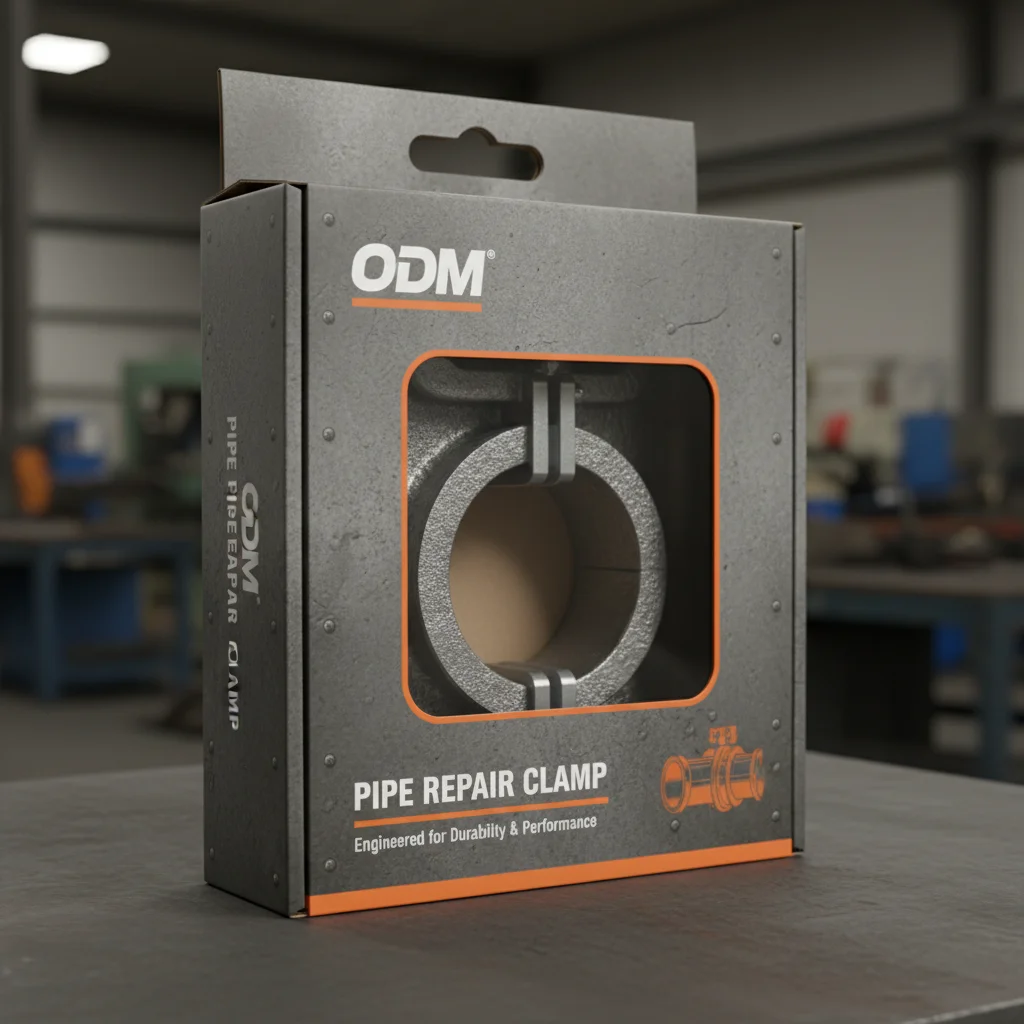
Look, I've spent the last fifteen years on construction sites, getting my hands dirty, seeing what actually works when things go sideways. And let me tell you, you can have the fanciest plans in the world, but a simple, reliable repair solution can save a project – and a lot of money. That’s where the ODM repair clamp comes in. It's not glamorous, but it’s a critical piece of kit. We're talking about minimizing downtime, quickly fixing unexpected issues, and keeping things moving. Because on a job site, time is money, and a small problem left unfixed quickly becomes a massive headache.
We deal with a lot of different materials, a lot of different pressures, and a lot of things that just plain break. The beauty of a well-designed ODM repair clamp is its versatility. It’s about having a tool that’s adaptable, that doesn’t require specialized skills to use, and that can handle a range of applications – from quickly patching a damaged pipeline to securing a temporary fix before a full replacement. It's about building resilience into the project.
I’ve seen too many projects stalled because they couldn’t get a simple leak stopped fast enough. Or a temporary support secured. The ODM repair clamp isn't a replacement for good engineering, but it's a vital safety net. It's about preventing small issues from turning into catastrophes and keeping everyone safe and on schedule. It's a pragmatic solution for a messy world.
The Importance of ODM Repair Clamps in Modern Construction
You know, back in the day, fixing a damaged pipe often meant shutting down an entire section, digging it up, and welding in a new piece. That’s a huge cost, a lot of disruption, and frankly, it's often unnecessary. The development of effective ODM repair clamps has fundamentally changed how we approach these kinds of problems. We’re talking about minimizing downtime, reducing labor costs, and getting things back up and running quickly. According to the ISO 55000 standard for asset management, proactive maintenance and repair solutions are key to maximizing asset lifespan and minimizing total cost of ownership.
And it’s not just about cost. It's about safety. A quick, reliable repair can prevent a minor leak from turning into a major hazard. It’s about minimizing risk and ensuring the integrity of the entire system. From a product manager's perspective, that’s a game-changer. These clamps are essentially a crucial part of any comprehensive maintenance plan.
Defining ODM Repair Clamps: A Practical Overview
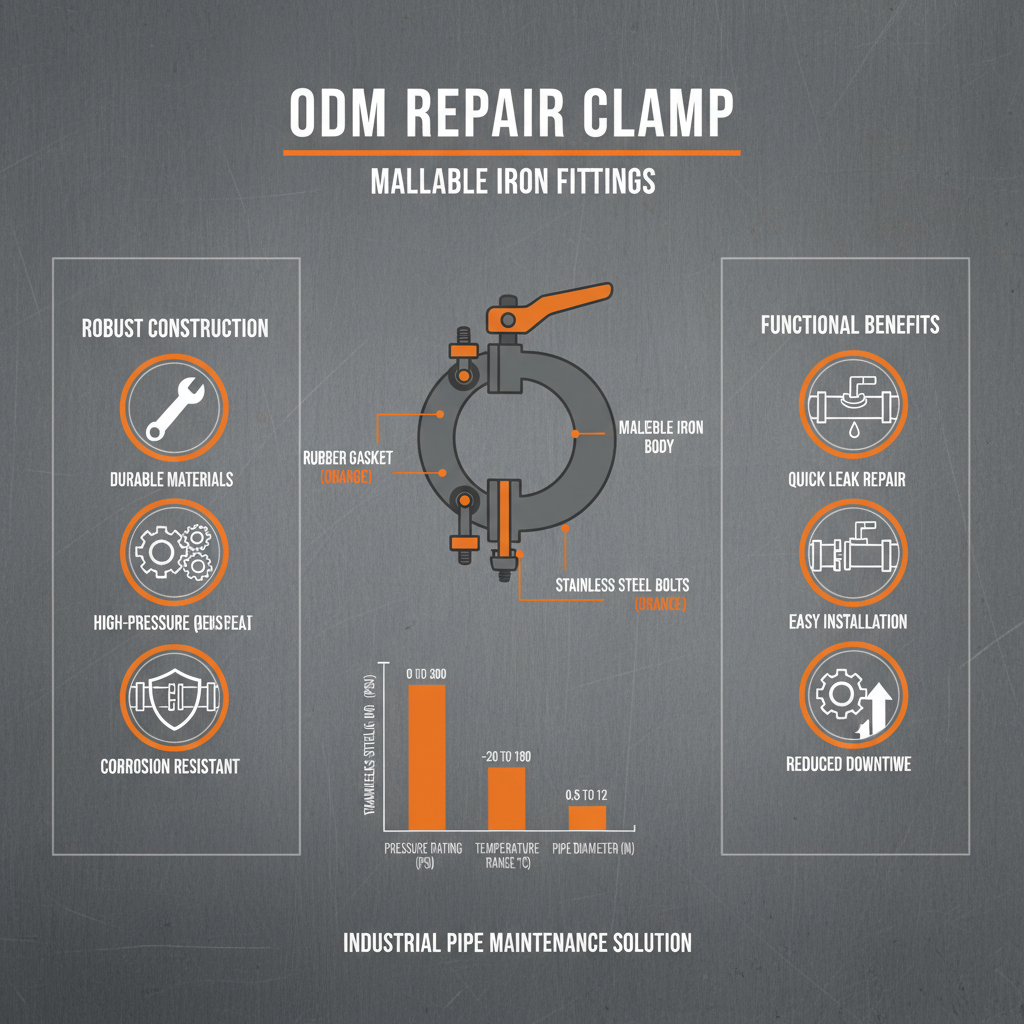
Okay, let’s cut through the jargon. An ODM repair clamp – that stands for Original Design Manufacturer, meaning someone designs and builds it to specific requirements – is essentially a mechanical coupling designed to quickly and securely repair damage to pipes, pipelines, or other cylindrical structures. Think of it as a high-strength bandage for infrastructure. They come in a range of sizes and materials, designed to handle different pressures, temperatures, and fluid types.
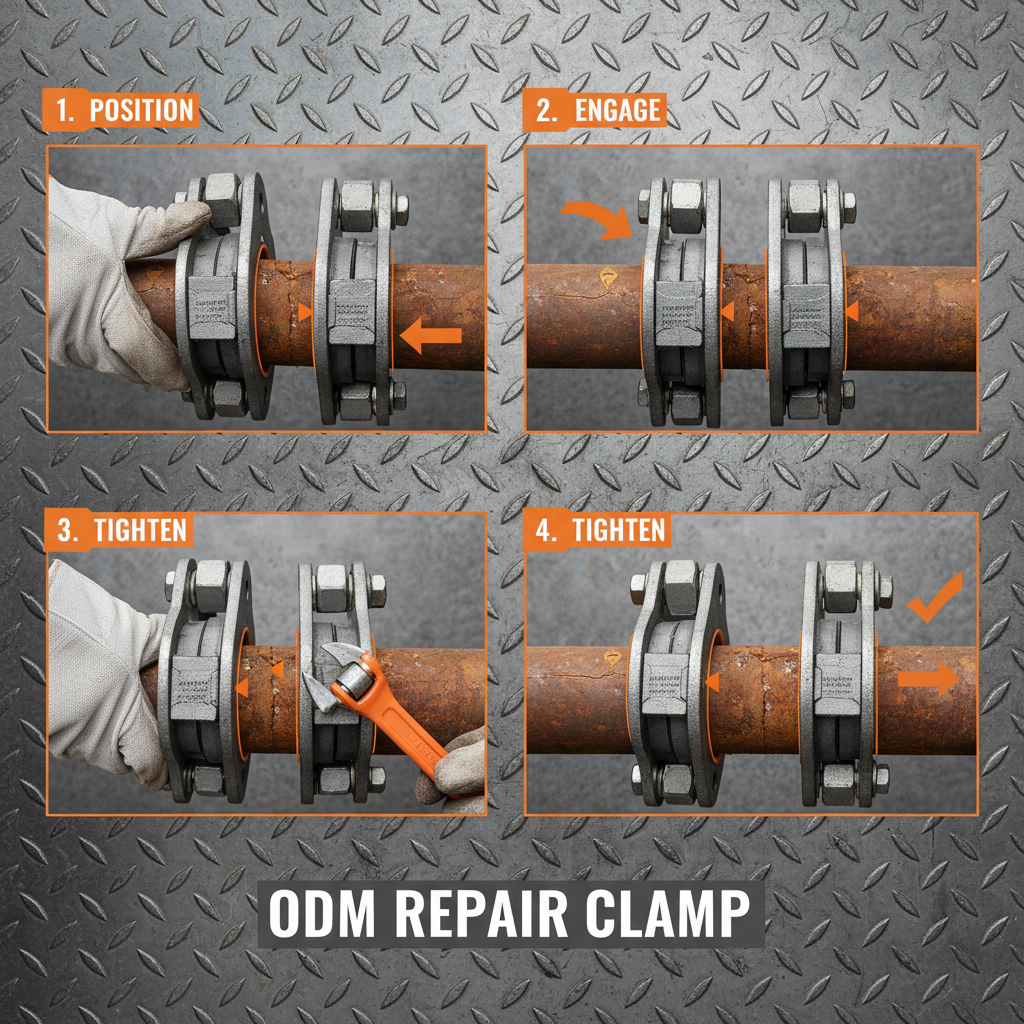
What separates a good ODM clamp from a cheap knockoff is the quality of the materials, the precision of the design, and the ease of installation. We're talking about materials that can withstand corrosion, high stress, and extreme temperatures. And it needs to be something a field crew can install quickly and safely, without needing specialized tools or training.
These aren’t just for emergency repairs, either. They're also used for planned maintenance, connecting different pipe materials, and even for reinforcing existing structures. It’s a versatile tool that’s become indispensable on pretty much every construction site I’ve worked on.
Key Factors Influencing ODM Repair Clamp Performance
When you're choosing a repair clamp, you’ve got to look beyond just the price tag. Durability is paramount. The materials need to be able to withstand the environment, the pressure, and the potential for corrosion. I've seen clamps fail because they were made from substandard steel, and that's a disaster waiting to happen. You need to know what kind of material the clamp is made of and that it meets relevant industry standards.
Another critical factor is sealing capability. A clamp is only as good as its ability to create a watertight (or airtight) seal. Look for clamps with high-quality gaskets and a robust clamping mechanism. You want something that can reliably prevent leaks, even under high pressure. We’ve tested clamps where the gasket failed under pressure, and trust me, that’s not a fun situation to clean up.
Ease of installation is also huge. A clamp that takes hours to install is going to negate a lot of the time-saving benefits. You want something that’s straightforward, intuitive, and doesn't require a team of specialized engineers. And finally, consider the clamping force. The clamp needs to be able to apply sufficient pressure to create a secure seal and withstand the stresses on the pipe.
Practical Applications of ODM Repair Clamps Across Industries
We’re not just talking about fixing water pipes here. These clamps are used everywhere. In the oil and gas industry, they’re crucial for repairing pipelines in remote locations, minimizing downtime and environmental impact. In power generation, they’re used to maintain steam lines and cooling systems.
I’ve seen them used extensively in wastewater treatment plants, where they’re constantly exposed to corrosive chemicals. Even in the food and beverage industry, they’re used to repair damaged pipes and maintain hygiene standards. The versatility of an ODM repair clamp is really remarkable.
ODM Repair Clamp Application Ratings
The Advantages and Long-Term Value Proposition
Let's talk about the bottom line. An ODM repair clamp isn’t just a quick fix; it’s an investment. Reducing downtime translates directly into cost savings. A clamp that allows you to repair a pipe in hours instead of days can save a project thousands, even tens of thousands of dollars. And that's before you factor in the cost of lost productivity.
From a sustainability perspective, using repair clamps reduces waste. Instead of replacing an entire section of pipe, you’re simply repairing the damaged area. That’s better for the environment and reduces the need for new materials. Plus, it’s a far more efficient use of resources.
Global Applications and Real-World Use Cases
I’ve seen these clamps put to work in some seriously challenging environments. In post-disaster relief operations, they’re crucial for quickly restoring water supplies to affected communities. In remote industrial zones, where access to specialized equipment is limited, they provide a lifeline for maintaining critical infrastructure.
Just last year, I was on a project in the Middle East, where we used ODM repair clamps to fix a damaged pipeline in a desert oil field. The conditions were brutal – extreme heat, sandstorms, and limited access. The clamps allowed us to complete the repair quickly and safely, minimizing disruption to production. They're also heavily used in the infrastructure projects in developing nations, where quick, reliable repairs are essential for maintaining essential services.
These aren't theoretical solutions; they're being used successfully every day, all over the world, to keep essential infrastructure operational.
Future Trends and Innovations in Repair Clamp Technology
We're starting to see a lot of innovation in this space. The development of composite materials is leading to lighter, stronger, and more corrosion-resistant clamps. Smart clamps, with integrated sensors that monitor pressure and temperature, are also starting to emerge. These clamps can provide real-time data on the condition of the pipeline, allowing for proactive maintenance and preventing catastrophic failures.
There's also a growing focus on developing clamps that are easier to install and require less specialized training. Automated installation systems are being explored, which could further reduce downtime and improve safety. And, of course, the integration of digital technologies, like 3D scanning and virtual reality, is allowing for more precise design and installation of repair clamps.
The future of repair clamp technology is about making these solutions even more reliable, efficient, and accessible. We're moving towards a world where infrastructure can be repaired quickly and easily, minimizing disruption and maximizing sustainability.
Summary of Key Challenges and Potential Solutions for ODM Repair Clamp Implementation
| Challenge |
Impact on Project |
Potential Solution |
Implementation Difficulty (1-10) |
| Material Corrosion |
Reduced Clamp Lifespan, Potential Failures |
Utilize Corrosion-Resistant Alloys/Coatings |
6 |
| Improper Installation |
Leakage, Structural Weakness |
Enhanced Training Programs, Clear Installation Guides |
4 |
| Limited Access |
Delayed Repairs, Increased Costs |
Lightweight Clamp Designs, Remote Installation Tools |
7 |
| High Pressure Systems |
Clamp Failure, Significant Hazards |
High-Strength Clamp Materials, Robust Sealing Mechanisms |
8 |
| Lack of Standardization |
Compatibility Issues, Inventory Management Challenges |
Industry-Wide Standardization Efforts |
9 |
| Cost Considerations |
Budget Constraints, Selection of Lower-Quality Options |
Life Cycle Cost Analysis, Value Engineering |
5 |
FAQS
ODM repair clamps are designed for versatility and can typically accommodate a wide range of pipe materials including steel, ductile iron, PVC, and even some types of plastic. However, it’s crucial to verify compatibility with the specific clamp model and the material's pressure rating. Using the wrong clamp on the wrong material can lead to failure and potentially dangerous situations. Always check the manufacturer's specifications and ensure the clamp is suitable for the application.
The lifespan of an ODM repair clamp depends heavily on the operating environment, the type of fluid being conveyed, and the quality of the clamp itself. Under normal conditions, a well-maintained clamp can last for decades. However, in corrosive environments or with exposure to high temperatures, the lifespan may be reduced. Regular inspections and preventative maintenance are key to maximizing the service life of the clamp. A high quality clamp should offer a minimum of 10-15 years of reliable service.
While some advanced clamps might require specialized knowledge, most ODM repair clamps are designed for relatively simple installation. However, proper training is still highly recommended. Incorrect installation can compromise the clamp's integrity and lead to leaks or failures. Training should cover proper tightening procedures, gasket selection, and inspection techniques. Following the manufacturer's instructions is critical for a successful installation.
The maximum pressure capacity of an ODM repair clamp varies significantly based on its size, material, and design. It’s absolutely essential to consult the manufacturer's specifications and ensure the clamp is rated for the operating pressure of the pipeline. Exceeding the pressure rating can lead to catastrophic failure. Always prioritize safety and select a clamp that provides an adequate margin of safety.
Using ODM repair clamps with hazardous materials requires careful consideration. The clamp material must be chemically compatible with the substance being conveyed. Additionally, the clamp should be designed to prevent leaks and ensure containment. It's important to check the manufacturer's specifications and relevant safety regulations before using a repair clamp in a hazardous environment. Proper PPE and safety protocols should always be followed.
Compared to traditional repair methods like cutting and welding, ODM repair clamps are often significantly more cost-effective. They eliminate the need for hot work permits, specialized welding equipment, and lengthy downtime. While the initial cost of a clamp might be higher than some other temporary solutions, the long-term savings in labor, materials, and downtime can be substantial. It's a smart investment that pays for itself quickly.
Conclusion
So, looking at the big picture, ODM repair clamps are far more than just a quick fix. They’re a crucial component of a proactive maintenance strategy, minimizing downtime, reducing costs, and improving safety across a wide range of industries. They represent a pragmatic approach to managing infrastructure, allowing us to keep essential systems operational even in challenging environments.
As technology continues to advance, we'll see even more innovative repair clamp solutions emerge, but the core principles of reliability, durability, and ease of use will remain paramount. If you're looking for a robust, cost-effective solution for repairing damaged pipelines or maintaining critical infrastructure, I highly recommend exploring the options available. For quality and reliable solutions, ODM repair clamp specialists are the people to talk to. Visit our website: www.hebei-fitting.com.