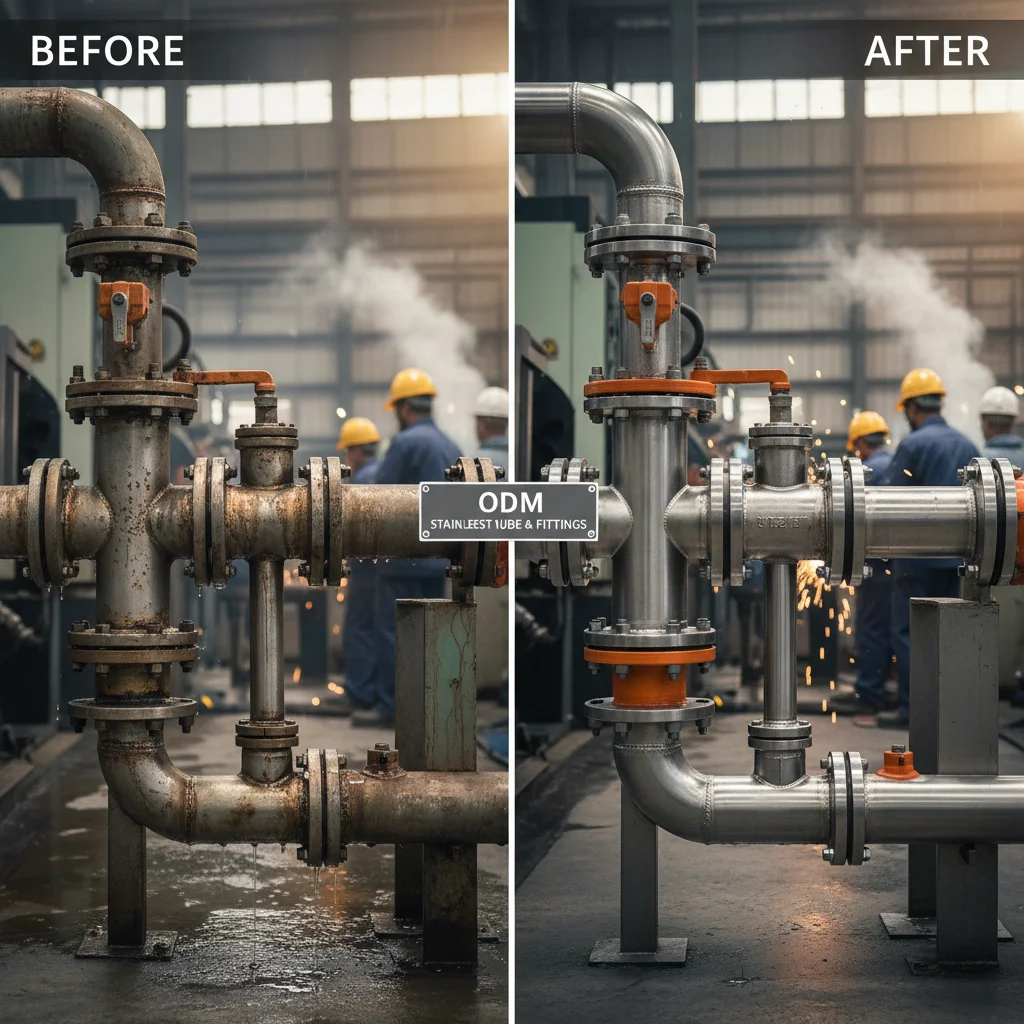
Look, I’ve spent years in the field – boots on the ground, breathing concrete dust, dealing with real-world problems. And I'll tell you, a reliable seal is everything. A leaky joint can bring a project to a grinding halt, cost a fortune in repairs, and even create safety hazards. That’s where a good grooved rubber gasket comes in. It’s not glamorous, but it’s the unsung hero of countless pipelines, fire protection systems, and mechanical installations. You need something that can handle pressure, temperature swings, and the general abuse a construction site dishes out.
We're not talking about fancy tech here, but clever engineering. A well-designed grooved rubber gasket creates a watertight, airtight seal that simplifies installation and minimizes long-term maintenance. I've seen systems held together for decades thanks to these little rings. It’s about choosing the right material for the job - EPDM, Nitrile, whatever matches the fluid and the environment. That’s what separates a solid installation from a headache waiting to happen.
And frankly, it’s about time efficiency. Time is money on any project. When I'm looking at a new installation, I'm not just considering the upfront cost of materials, I’m calculating the man-hours needed for assembly, inspection, and potential rework. A grooved rubber gasket system streamlines that process. Less welding, less threading, less chance of error. It all adds up.
The Importance of Grooved Rubber Gaskets in Modern Infrastructure
From municipal water systems to massive industrial plants, the integrity of fluid conveyance is paramount. We’re talking about protecting potable water supplies, ensuring fire suppression systems work when needed, and preventing catastrophic leaks in chemical processing. That’s where robust sealing solutions, like a grooved rubber gasket, become absolutely critical. The global market for sealing products is substantial – we're talking billions of dollars annually – driven by the constant need to upgrade aging infrastructure and build new facilities.
The problem? Traditional methods – welding, threading with Teflon tape, even some flange connections – are prone to human error, corrosion, and eventual failure. They require skilled labor, lengthy installation times, and ongoing maintenance. A properly installed grooved rubber gasket system addresses these issues head-on, offering a reliable, long-lasting seal with minimal upkeep.
Understanding the Core Components of a Grooved Rubber Gasket
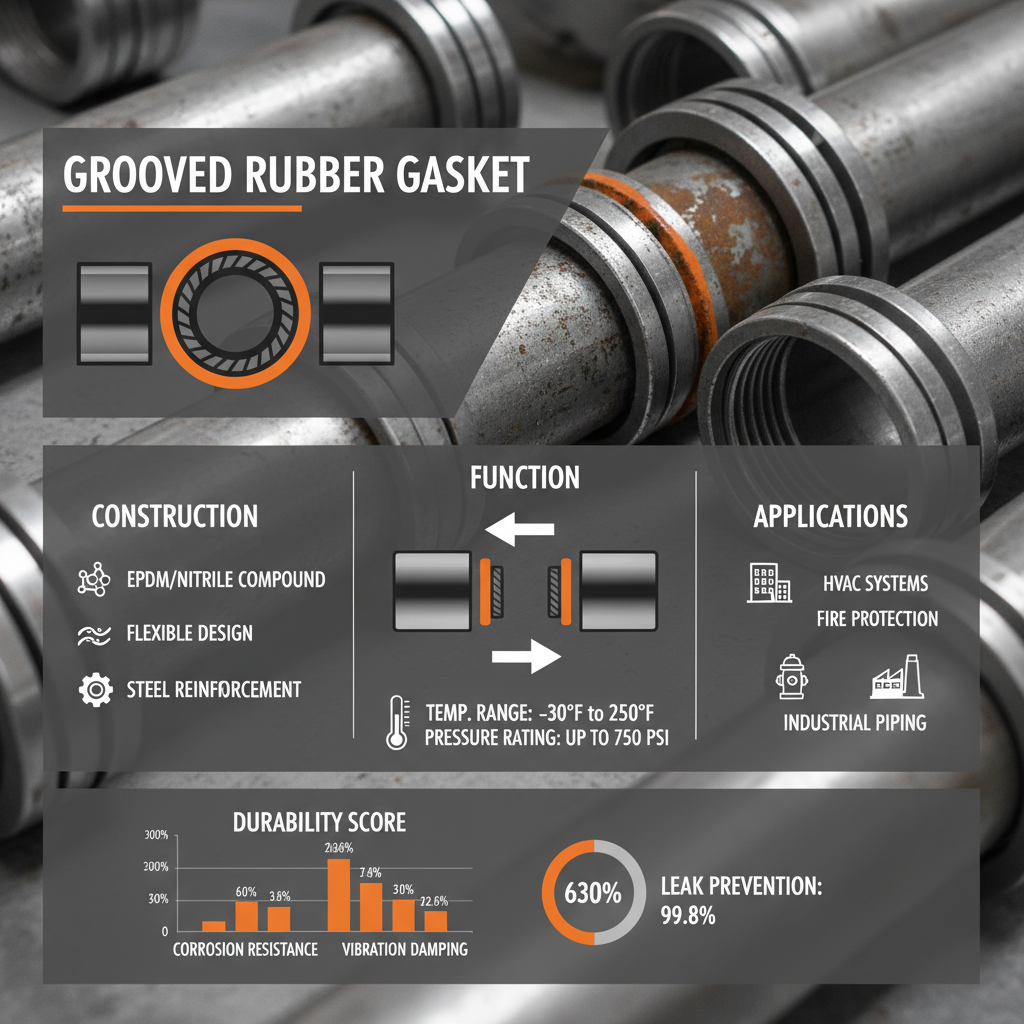
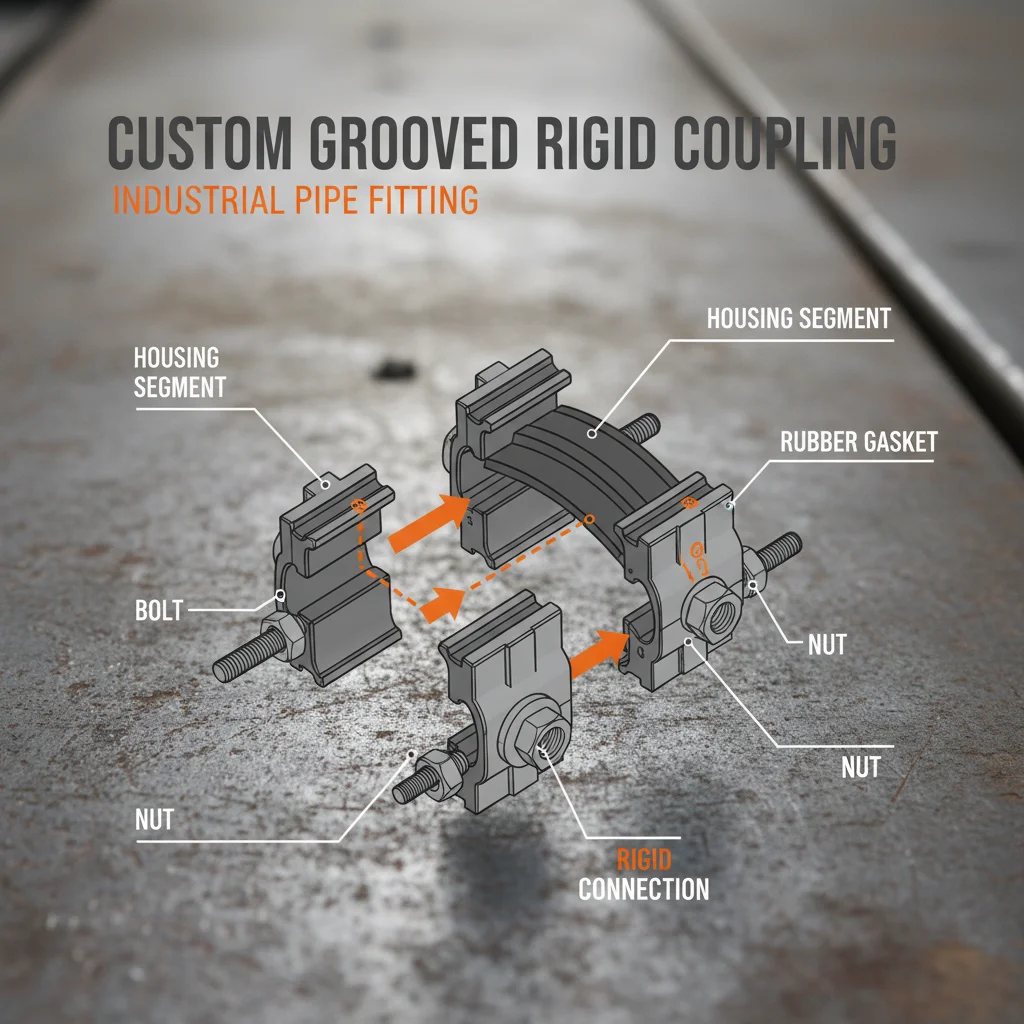
Let’s break it down. A grooved rubber gasket isn't just a rubber ring. It’s a system. You've got the gasket itself, typically made from EPDM, Nitrile, or Viton, depending on the fluid compatibility requirements. Then there’s the groove – precisely engineered into the pipe or fitting to provide a seating surface for the gasket. And finally, you need the hardware – bolts and nuts tightened to a specific torque to compress the gasket and create the seal.
The groove design is key. It’s not just about depth and width, it’s about the geometry – the radius of the corners, the surface finish. All these factors affect how the gasket deforms under pressure and how well it seals. We’re talking about tolerances measured in thousandths of an inch. And the material choice? That depends on what you’re sealing. Water? EPDM. Oil? Nitrile. Corrosive chemicals? Viton. It’s not one-size-fits-all.
Ignoring any of these components leads to leaks. I’ve seen projects where corners were cut on hardware, or the wrong gasket material was used, and the result was always the same – costly repairs and delays.
Material Science and Grooved Rubber Gasket Performance
The performance of a grooved rubber gasket is inextricably linked to the properties of its constituent materials. EPDM, for example, offers excellent resistance to weathering, ozone, and aging, making it ideal for outdoor applications. Nitrile provides superior oil resistance, while Viton can withstand extreme temperatures and harsh chemicals. The durometer, or hardness, of the rubber also plays a crucial role – a softer gasket will conform better to irregular surfaces, while a harder gasket will provide greater resistance to extrusion.
We also need to consider the impact of pressure and temperature fluctuations. Rubber expands and contracts with temperature changes, which can affect the tightness of the seal. The gasket material needs to be able to withstand these fluctuations without losing its elasticity or becoming brittle. Similarly, higher pressures require a more robust gasket with a greater resistance to deformation. That’s where things like reinforcement rings come into play – adding extra support to prevent the gasket from being squeezed out of the groove.
I’ve seen guys try to save money by using cheaper, generic gaskets. They might work for a little while, but they’ll inevitably fail prematurely, leading to costly downtime and repairs. Investing in a high-quality grooved rubber gasket made from the right materials is always the smartest long-term investment.
Real-World Application: Grooved Rubber Gasket in Different Industries
You find these things everywhere. Fire protection systems in skyscrapers? Almost exclusively grooved pipe and grooved rubber gasket connections. Water treatment plants? Critical for maintaining the purity of the water supply. Chemical processing facilities? Where leak-proof connections are a matter of safety and environmental compliance.
I’ve personally worked on projects in remote oil fields where the reliability of these seals was paramount – no easy access for repairs, harsh conditions, and the potential for environmental damage. Similarly, in large-scale irrigation projects, a leaking joint can mean wasted water and crop failure. It’s not always the flashy stuff, but it's essential.
Grooved Rubber Gasket Performance Metrics
Long-Term Value and Sustainability of Grooved Rubber Gaskets
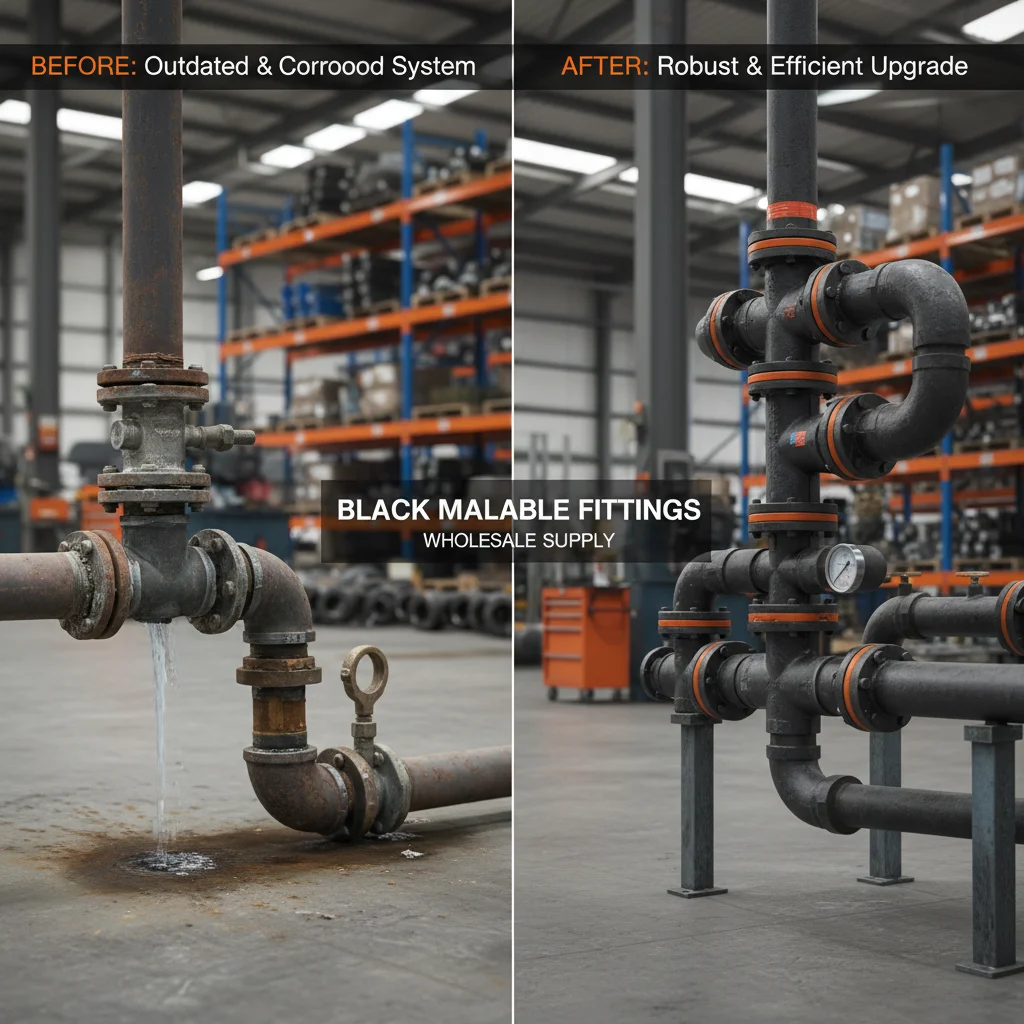
Look beyond the initial cost. A grooved rubber gasket system minimizes the need for rework, reduces maintenance downtime, and extends the lifespan of the entire piping system. That translates to significant cost savings over the long haul.
From a sustainability perspective, these systems reduce waste by minimizing leaks and the need for frequent repairs. Furthermore, many manufacturers are now incorporating recycled materials into their gaskets, reducing their environmental footprint.
Future Trends and Innovations in Grooved Rubber Gasket Technology
We're seeing a push towards smarter sealing solutions. Things like integrated sensors that can monitor gasket performance and alert operators to potential leaks. Also, new materials are constantly being developed – more durable rubbers, advanced composites, and self-healing polymers. These innovations will further enhance the reliability and longevity of grooved pipe systems.
Digital twins - virtual models of physical assets - are also starting to play a role, allowing engineers to simulate the performance of grooved pipe systems under various conditions and optimize gasket selection for specific applications.
The move towards prefabrication and modular construction is also driving demand for grooved pipe systems, as they simplify assembly and reduce on-site labor.
Common Challenges and Solutions in Grooved Rubber Gasket Implementation
Improper installation is the biggest headache. Over- or under-tightening the bolts can crush the gasket or create gaps, leading to leaks. Training and proper torque wrenches are essential. Another issue is surface preparation – the groove needs to be clean and free of debris to ensure a good seal.
Corrosion can also be a problem, especially in harsh environments. Selecting the right gasket material and applying a protective coating to the pipe and fittings can help mitigate this risk.
Finally, material compatibility is crucial. Make sure the gasket material is compatible with the fluid being conveyed. A mismatch can lead to swelling, degradation, and ultimately, failure.
Summary of Common Grooved Rubber Gasket Challenges & Solutions
| Challenge |
Root Cause |
Severity (1-10) |
Recommended Solution |
| Leakage |
Improper Torque |
8 |
Calibrated Torque Wrench & Training |
| Gasket Degradation |
Material Incompatibility |
9 |
Correct Gasket Material Selection |
| Reduced Seal Life |
Contaminated Groove Surface |
6 |
Thorough Groove Cleaning |
| System Failure |
Corrosion |
7 |
Corrosion-Resistant Materials/Coatings |
| Installation Delays |
Lack of Skilled Labor |
5 |
Comprehensive Installer Training |
| Premature Wear |
Excessive Pressure |
4 |
Pressure Relief Valves & System Monitoring |
FAQS
Grooved rubber gaskets offer significant advantages including faster installation, reduced labor costs, improved reliability, and minimized maintenance. Unlike welding or threading, they don't require hot work permits or specialized skills. Their consistent performance ensures a long-lasting, leak-proof seal, reducing the risk of costly downtime and repairs. Plus, they are adaptable to a wide range of pipe materials and fluid types, making them a versatile choice for various applications.
The primary factor is fluid compatibility. EPDM is excellent for water and some chemicals, while Nitrile excels with oils. Viton is used for harsh chemicals and high temperatures. Consider the operating temperature, pressure, and any potential exposure to UV radiation or ozone. The durometer (hardness) also matters – softer gaskets conform better to uneven surfaces, while harder gaskets resist extrusion. Always consult a material compatibility chart or a qualified engineer for guidance.
Proper installation is critical. Ensure the grooves are clean, dry, and free of debris. Lubricate the gasket slightly with a compatible lubricant. Use a calibrated torque wrench to tighten the bolts to the manufacturer’s specified torque values. Follow a star pattern when tightening to ensure even compression. Regularly inspect the gasket and hardware for signs of wear or damage.
Visible signs include cracking, swelling, or deformation of the gasket. Leaks around the joint are an obvious indicator. A decrease in pressure or flow rate can also suggest a gasket failure. Regularly scheduled inspections can help identify potential problems before they escalate. Replace the gasket immediately if any signs of damage or leakage are observed to prevent further issues.
Yes, grooved rubber gaskets can be used in high-pressure applications, but it's vital to select the correct gasket material and hardware. Reinforcement rings can add extra support to prevent extrusion under pressure. The groove design and bolt tightening torque must also be optimized for the specific pressure rating. Always adhere to the manufacturer's specifications and industry standards for high-pressure systems.
The lifespan of a grooved rubber gasket varies depending on the application, operating conditions, and gasket material. In general, a well-maintained gasket can last for 10-20 years or more. However, factors like temperature extremes, chemical exposure, and UV radiation can shorten its lifespan. Regular inspections and preventative maintenance are essential to maximize gasket life.
Conclusion
In the end, the grooved rubber gasket isn’t a flashy component, but it’s a foundational element of reliable infrastructure. It’s about doing things right – choosing the right materials, ensuring proper installation, and prioritizing long-term performance. It’s what separates a system that works from one that’s constantly plagued by problems.
Looking ahead, we'll see even smarter sealing solutions emerge, driven by advancements in materials science and digital technology. But the core principle will remain the same: a well-designed and properly installed gasket is essential for maintaining the integrity of our vital infrastructure. For reliable and high-quality grooved rubber gaskets, visit our website: www.hebei-fitting.com