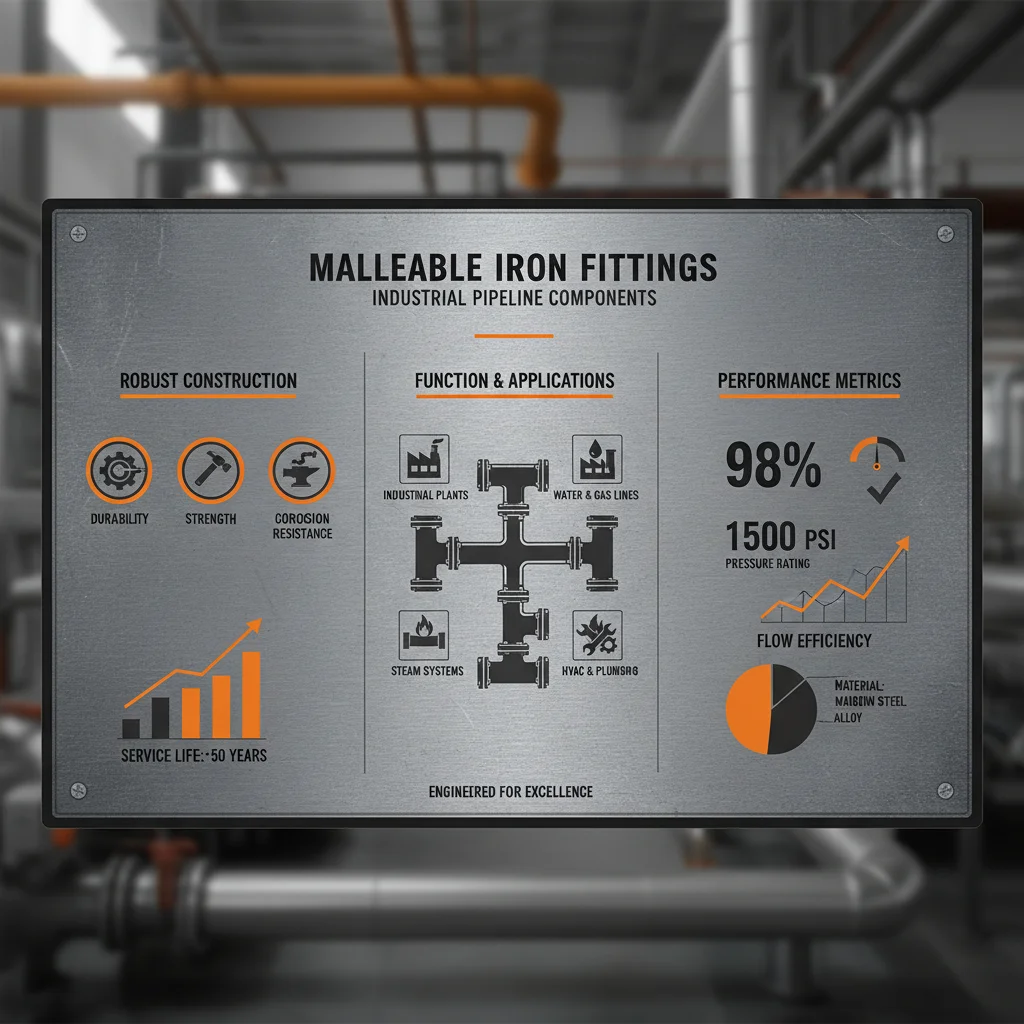
Malleable iron fittings for gas pipeline are crucial components in the safe and efficient distribution of gas, playing a vital role in both residential and industrial settings. These fittings, known for their strength and ductility, connect various sections of gas pipelines, ensuring a leak-proof system capable of withstanding significant pressure and temperature fluctuations. Understanding their properties, applications, and evolving standards is paramount for engineers, technicians, and regulatory bodies alike. malleable iron fittings for gas pipeline are a cornerstone of modern gas infrastructure.
Globally, the demand for reliable gas distribution networks is steadily increasing, driven by the continued use of natural gas as a cleaner energy source compared to alternatives like coal and oil. According to the International Energy Agency (IEA), natural gas accounted for approximately 24% of global energy consumption in 2022. This reliance necessitates robust and dependable pipeline infrastructure, where malleable iron fittings for gas pipeline consistently demonstrate their value. The safety and longevity of these systems directly impact millions of consumers and industries worldwide.
However, maintaining the integrity of these networks requires ongoing inspection, maintenance, and upgrades. The challenge lies in balancing cost-effectiveness with stringent safety regulations and environmental concerns. The use of high-quality malleable iron fittings, coupled with advanced installation techniques and regular monitoring, is vital to addressing these challenges and ensuring a secure and sustainable energy supply.
Introduction to Malleable Iron Fittings
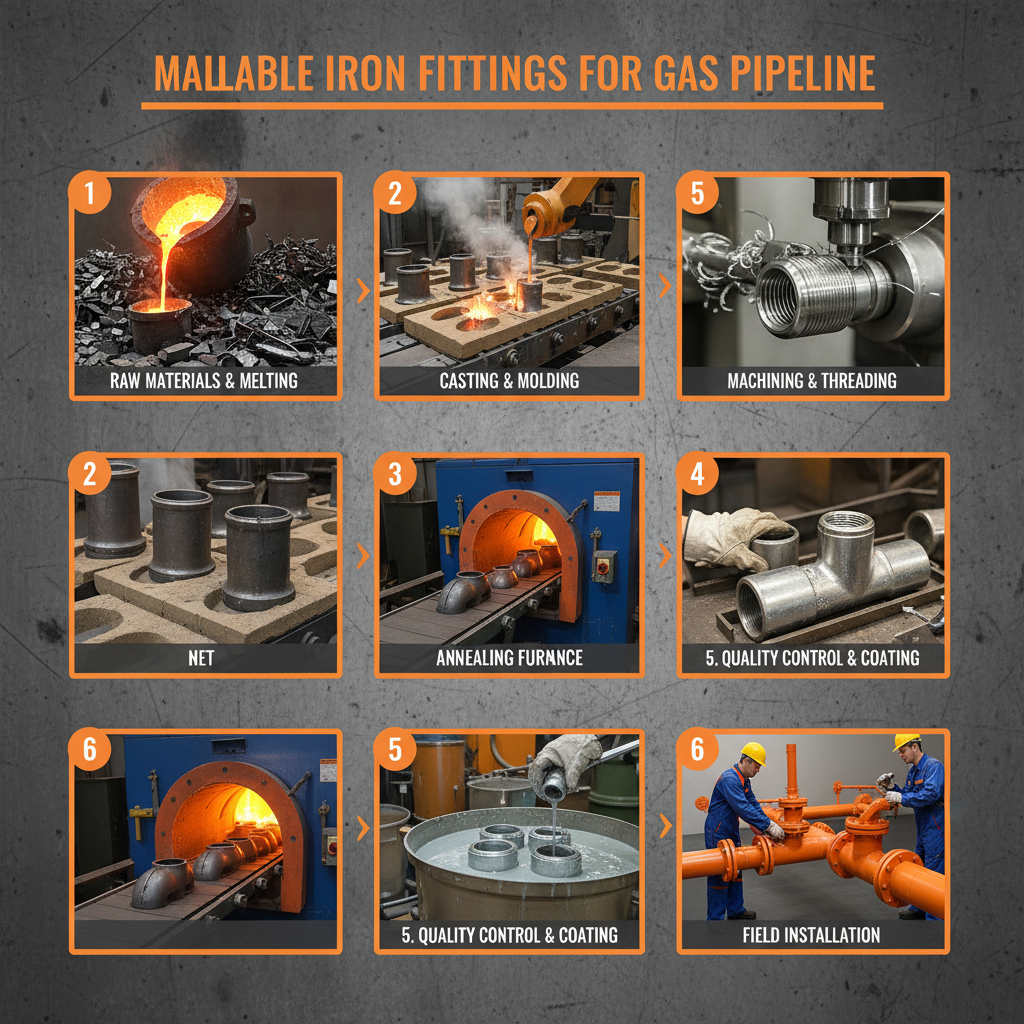
Malleable iron fittings for gas pipeline represent a time-tested solution for connecting gas lines, offering a superior combination of strength, durability, and cost-effectiveness. Their ability to withstand high pressures and temperature variations makes them ideal for a wide range of applications, from residential gas distribution to large-scale industrial pipelines. These fittings are manufactured through a specialized process that imparts ductility to the iron, allowing it to be threaded and shaped without fracturing. malleable iron fittings for gas pipeline are a safe and reliable choice.
The production of malleable iron fittings follows strict quality control standards, ensuring consistent performance and adherence to safety regulations. These standards are continuously updated to reflect advancements in material science and engineering, further enhancing the reliability and longevity of these crucial components. Proper installation and maintenance are essential to maximize their lifespan and maintain the integrity of the gas distribution system.
Defining Malleable Iron Fittings for Gas Pipelines
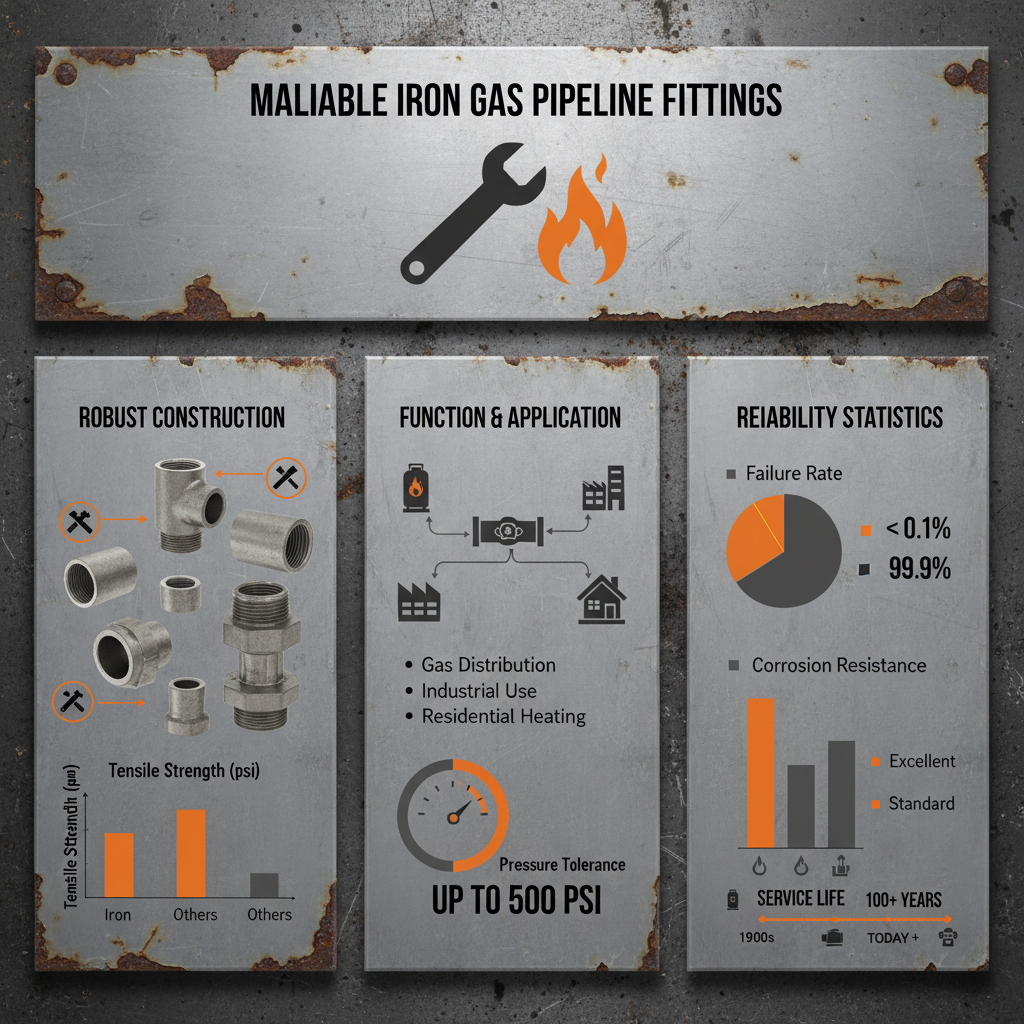
Malleable iron fittings for gas pipeline are pipe connectors crafted from malleable iron, a type of cast iron that has undergone heat treatment to enhance its ductility. This process makes the iron less brittle and more capable of being formed into complex shapes, such as elbows, tees, couplings, and reducers. These fittings are specifically designed to connect sections of gas pipelines, allowing for changes in direction, branching of lines, and adjustments in pipe diameter. Their primary function is to ensure a secure, leak-proof connection that can withstand the pressures and temperatures associated with gas transmission.
The core difference between malleable iron and other cast irons lies in the graphite content and its morphology. Malleable iron contains graphite in a compact, nodular form, contributing to its superior strength and ductility compared to gray cast iron, where graphite exists in flake-like structures. This unique microstructure makes malleable iron an ideal material for applications requiring both strength and the ability to withstand stress without fracturing.
The connection to modern industry and humanitarian needs is significant. A reliable gas supply is vital for heating, cooking, and industrial processes, improving quality of life and supporting economic development. In emergency situations, access to gas can be essential for hospitals and other critical facilities, making the integrity of gas pipeline systems – and the fittings within them – a matter of public safety.
Key Characteristics of Malleable Iron Fittings
Durability stands out as a key characteristic of malleable iron fittings for gas pipeline. They are resistant to corrosion, erosion, and mechanical damage, ensuring a long service life with minimal maintenance. This durability is particularly important in underground applications where fittings are exposed to harsh environmental conditions.
Strength is another defining feature. Malleable iron possesses a high tensile strength and yield strength, enabling it to withstand high internal pressures and external loads. This strength is crucial for maintaining the integrity of the gas pipeline system and preventing leaks or failures.
Ductility allows these fittings to deform under stress rather than fracturing, providing a degree of resilience against seismic activity or ground movement. This is a vital safety characteristic, as it reduces the risk of catastrophic failure. Furthermore, their machinability facilitates easy installation and customization.
Global Applications and Industry Standards
Malleable iron fittings for gas pipeline find widespread application in residential, commercial, and industrial gas distribution networks across the globe. In North America, they are commonly used in low-pressure gas systems serving homes and businesses. In Europe and Asia, they are employed in both low and medium-pressure systems, supporting a wide range of applications including heating, cooking, and industrial processes. They are also commonly seen in older infrastructure undergoing repair and upgrades.
Industry standards governing the production and use of malleable iron fittings include ASTM (American Society for Testing and Materials) standards, EN (European Norms) standards, and ISO (International Organization for Standardization) standards. These standards specify requirements for material composition, manufacturing processes, testing procedures, and performance characteristics, ensuring the quality and reliability of the fittings. Adherence to these standards is essential for regulatory compliance and customer satisfaction.
For example, in post-disaster relief operations, rapid deployment of gas lines for heating and cooking is vital. Malleable iron fittings, due to their robustness and ease of assembly, often play a crucial role in these situations. Similarly, in remote industrial zones where access to advanced materials might be limited, malleable iron fittings provide a dependable and cost-effective solution.
Comparison of Malleable Iron Fittings Manufacturing Methods
Advantages and Long-Term Benefits
The use of malleable iron fittings for gas pipeline offers a multitude of tangible benefits. Their cost-effectiveness, compared to alternative materials like stainless steel, makes them an attractive option for large-scale projects. Furthermore, their longevity reduces the need for frequent replacements, minimizing lifecycle costs. This economic advantage is particularly important for municipalities and utility companies managing extensive gas distribution networks.
Beyond cost savings, these fittings contribute to a more sustainable energy infrastructure. Malleable iron is a recyclable material, reducing its environmental impact. The durability of the fittings minimizes the risk of leaks, contributing to energy conservation and reducing greenhouse gas emissions. The inherent safety provided by robust connections inspires trust in the gas distribution system among consumers and stakeholders.
Future Trends and Technological Advancements
The future of malleable iron fittings for gas pipeline is tied to advancements in material science, manufacturing techniques, and digital technologies. Researchers are exploring new alloys and coatings to further enhance corrosion resistance and improve performance in extreme environments. The integration of sensors and data analytics into fittings is also a promising trend, enabling real-time monitoring of pipeline integrity and predictive maintenance.
The drive towards green energy and the increasing use of renewable gas sources, such as biogas and hydrogen, will also impact the design and materials used in gas pipeline infrastructure. Malleable iron fittings, with their proven reliability and adaptability, are well-positioned to play a role in these evolving energy systems, potentially requiring modifications to ensure compatibility with different gas compositions.
Challenges and Mitigation Strategies
Despite their numerous advantages, malleable iron fittings for gas pipeline face certain challenges. Corrosion, particularly in aggressive soil conditions, remains a concern. The risk of galvanic corrosion when dissimilar metals are in contact also needs to be addressed. Ensuring the consistent quality of fittings from different manufacturers is crucial for maintaining the integrity of the entire pipeline system.
Mitigation strategies include the application of protective coatings, such as epoxy or polyethylene, to enhance corrosion resistance. The use of dielectric unions to prevent galvanic corrosion is also essential. Implementing robust quality control procedures, including regular inspections and testing, can help ensure the reliability of fittings. Furthermore, ongoing research and development efforts focused on improving material properties and manufacturing processes are vital for overcoming these challenges.
Proper installation practices and regular maintenance are equally important. Trained personnel should be employed to install fittings correctly, ensuring tight connections and proper grounding. Regular inspections should be conducted to identify and address any signs of corrosion or damage.
Key Performance Indicators for Malleable Iron Fitting Performance
| Fitting Type |
Corrosion Resistance (1-10) |
Pressure Rating (PSI) |
Installation Complexity (1-5) |
| 90-Degree Elbow |
7 |
200 |
2 |
| Tee Fitting |
8 |
250 |
3 |
| Coupling |
9 |
300 |
1 |
| Reducer |
6 |
180 |
2 |
| Cross Fitting |
7 |
220 |
4 |
| Plug |
8 |
280 |
1 |
FAQS
Malleable iron fittings offer a compelling combination of strength, ductility, and cost-effectiveness. They resist corrosion better than some steel alloys, are less prone to fracture than brittle materials, and generally have a lower initial cost than stainless steel. Their ability to withstand temperature fluctuations and high pressures makes them well-suited for gas pipeline applications. This translates to longer service life, reduced maintenance, and increased safety.
Malleable iron’s ductility is a significant advantage in seismic zones. Rather than fracturing, the fittings can deform under stress, reducing the risk of catastrophic failure. However, proper installation is critical. Flexible joints and appropriate anchoring are essential to accommodate ground movement and prevent excessive strain on the fittings. Regular inspections post-earthquake are also recommended.
The lifespan of a malleable iron fitting depends on several factors, including soil conditions, gas composition, and maintenance practices. However, with proper installation and regular inspections, a lifespan of 50-100 years is achievable. Protective coatings can significantly extend this lifespan, particularly in corrosive environments. Timely replacement of any corroded or damaged fittings is crucial.
Ensure the fittings comply with relevant industry standards such as ASTM, EN, and ISO. Look for certifications from reputable testing laboratories that verify the material composition, mechanical properties, and pressure rating of the fittings. Traceability documentation, showing the manufacturing process and quality control measures, is also highly desirable. These certifications guarantee product reliability and safety.
Malleable iron itself possesses inherent corrosion resistance due to the formation of a protective oxide layer on its surface. However, this resistance can be further enhanced by applying protective coatings, such as epoxy or polyethylene. Cathodic protection techniques, commonly used in pipeline systems, also help mitigate corrosion. Regular inspections and the prompt removal of any corrosion products are essential for long-term protection.
Proper installation is paramount. Ensure the threads are clean and free of debris. Apply a suitable pipe thread sealant approved for gas service. Tighten the fittings to the manufacturer's specified torque. Pressure test the connections after installation to verify their integrity. Use qualified personnel trained in gas pipeline installation techniques to ensure compliance with all applicable codes and regulations.
Conclusion
In conclusion, malleable iron fittings for gas pipeline remain a vital component of safe and reliable gas distribution infrastructure globally. Their proven strength, durability, and cost-effectiveness, coupled with adherence to stringent industry standards, ensure their continued relevance in both existing and new pipeline systems. Understanding their characteristics, applications, and potential challenges is essential for engineers, technicians, and policymakers alike.
Looking forward, ongoing research and development focused on enhancing corrosion resistance, integrating smart technologies, and adapting to the evolving energy landscape will further solidify the role of malleable iron fittings in the future of gas distribution. For high-quality and dependable malleable iron fittings for gas pipeline, visit our website today.