Tracing the development from traditional materials to modern engineering.
Market Development History
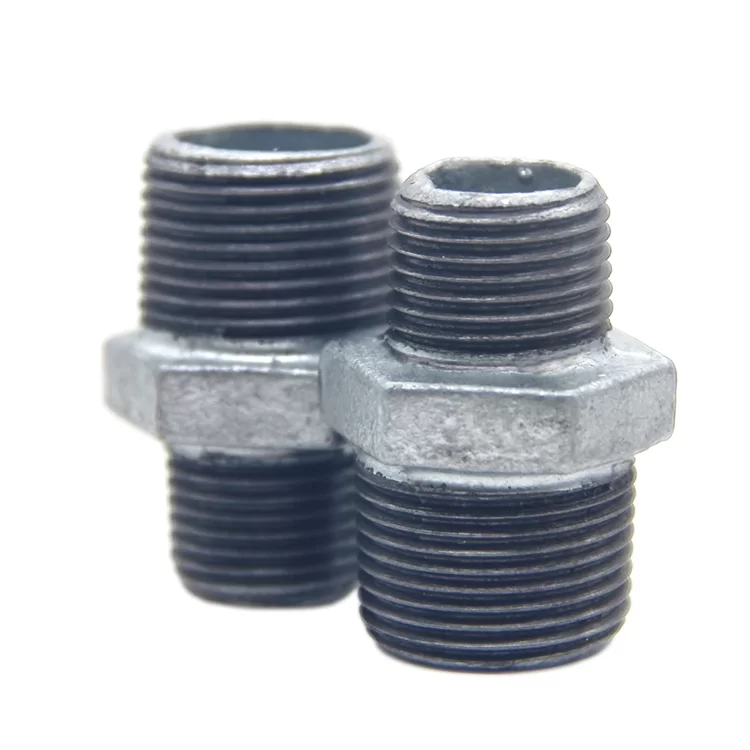
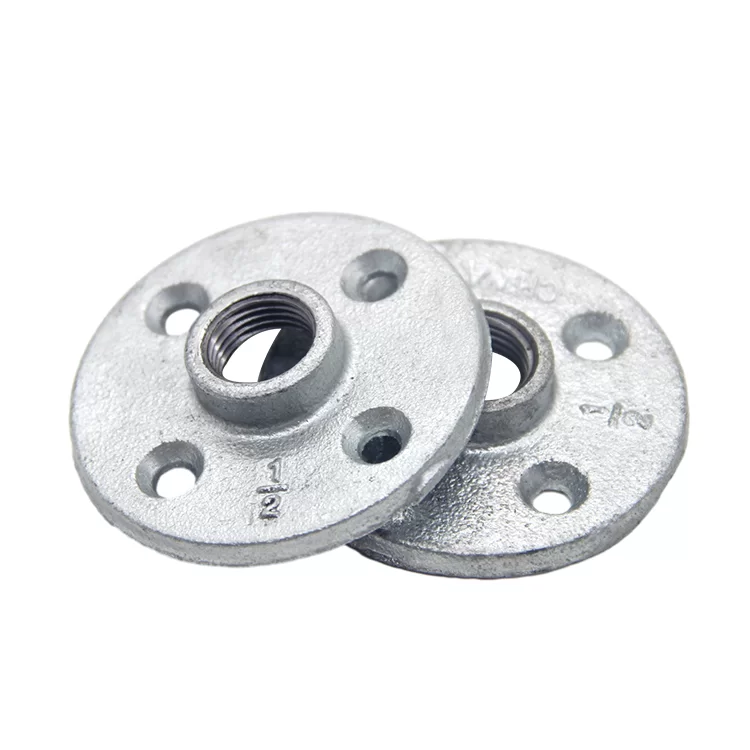
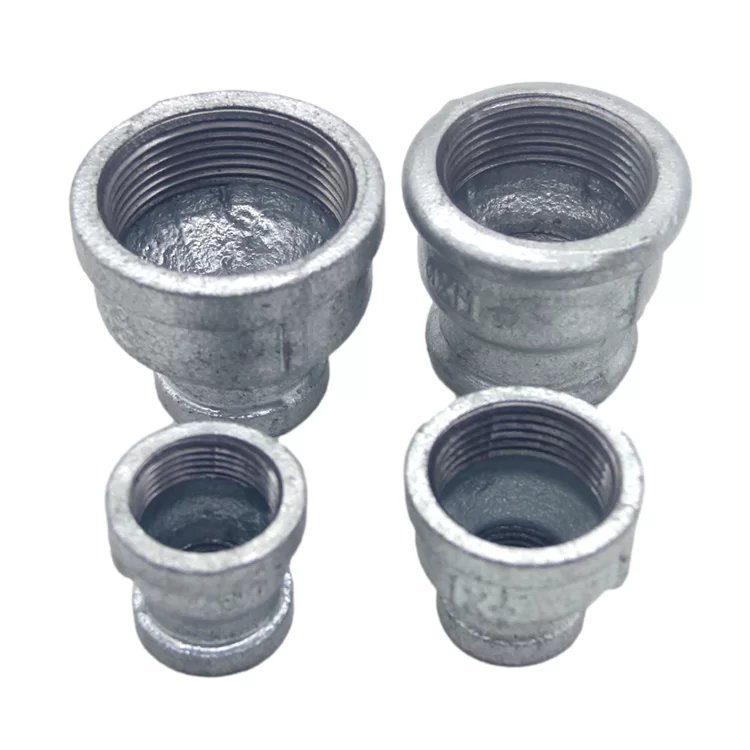
Historically, galvanized steel fittings were prevalent in Swiss piping systems. However, starting in the 1980s, concerns about corrosion and longevity led to a gradual shift towards stainless steel and other corrosion-resistant alloys. This transition was accelerated by the growth of the pharmaceutical and food processing industries, which demanded higher hygiene standards.
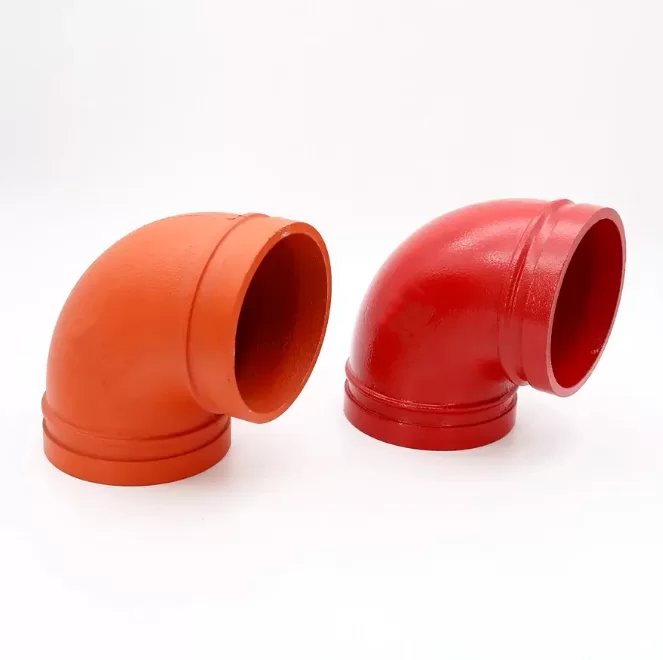
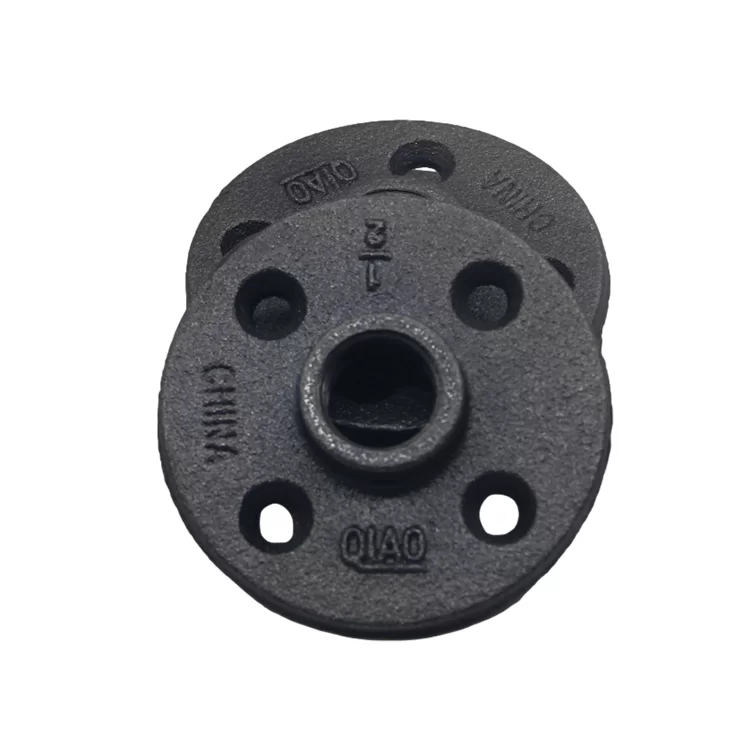
The introduction of grooved fittings in the 1990s revolutionized pipeline assembly, offering faster and more reliable connections compared to traditional threaded methods. This coincided with increased emphasis on efficient project completion and reduced maintenance costs. The adoption of black malleable fittings also occurred, providing a cost-effective solution for certain applications.
The 21st century has witnessed the integration of advanced materials like high-performance polymers and composite materials in specialized applications, along with smart monitoring systems embedded in piping networks. The demand for environmentally friendly materials and leak detection technologies has also become increasingly prominent.
Future Development Trends
Smart Fittings & IoT Integration
The integration of sensors and IoT technology into pipe fittings will enable real-time monitoring of pressure, temperature, and flow rates, enhancing predictive maintenance and reducing downtime. Google Trends shows a growing search interest in “smart piping systems” (+25% YoY).
Sustainable Materials
The development and adoption of bio-based polymers and recycled materials will become increasingly important as Switzerland pushes for a circular economy. Search volume for “sustainable pipe fittings” is up 18% over the past year.
Additive Manufacturing (3D Printing)
3D printing will allow for the creation of customized fittings tailored to specific project requirements, reducing material waste and lead times. Early Google Trends data shows a significant spike in searches for “3D printed pipe fittings” (+30% in the last six months).