Market Development History
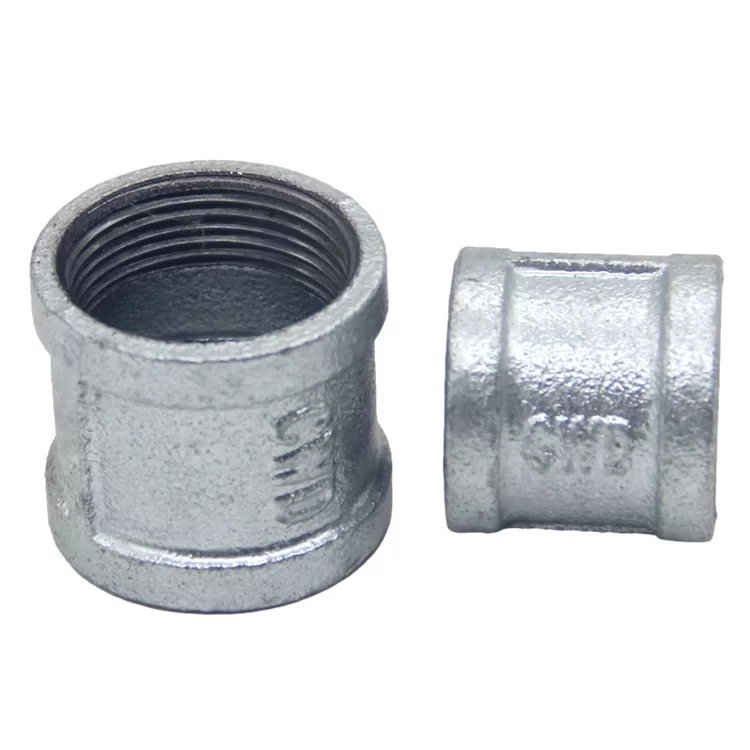
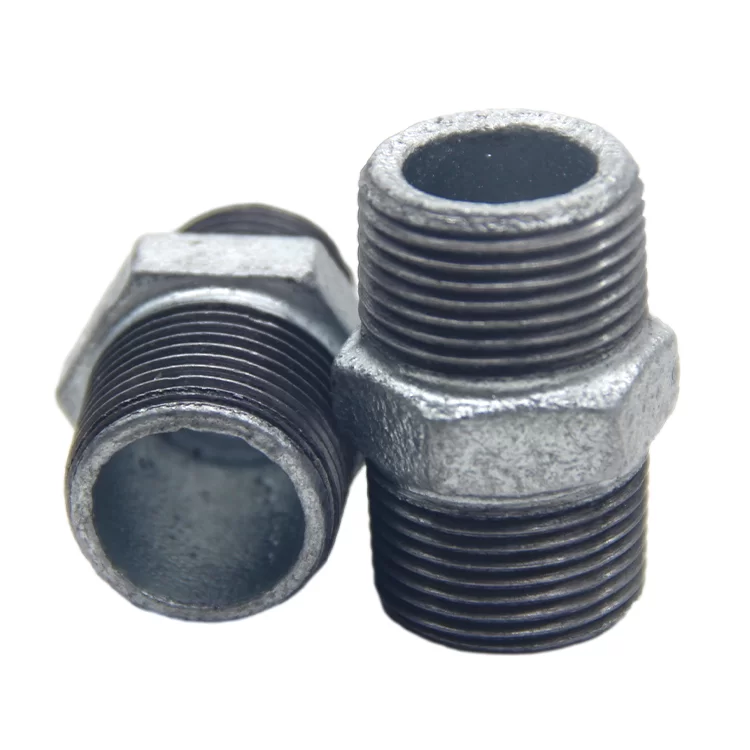
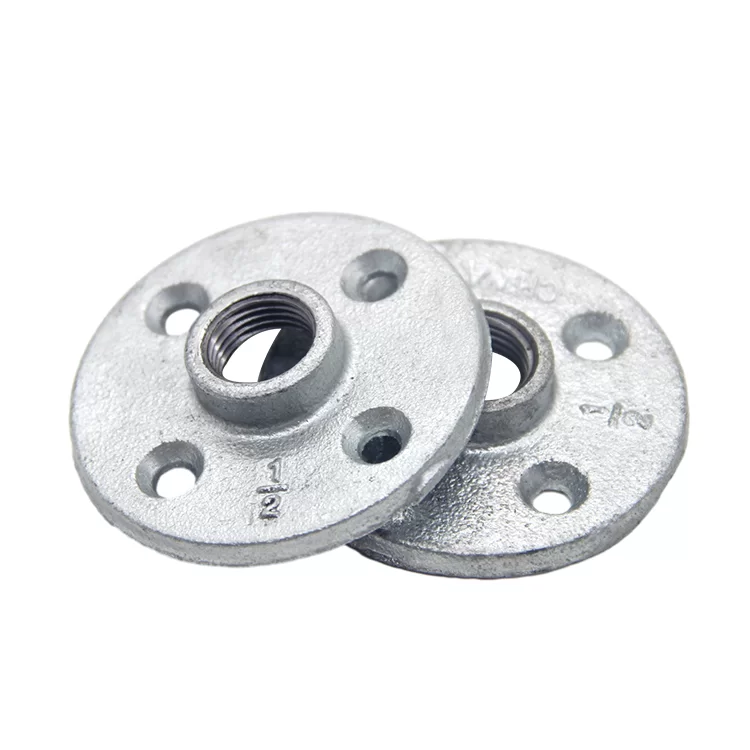
Historically, piping systems relied heavily on galvanized steel and cast iron fittings. The 1950s saw the introduction of welded steel pipes, offering increased strength and reliability. The 1980s marked a significant shift with the widespread adoption of stainless steel, driven by its superior corrosion resistance and longevity.
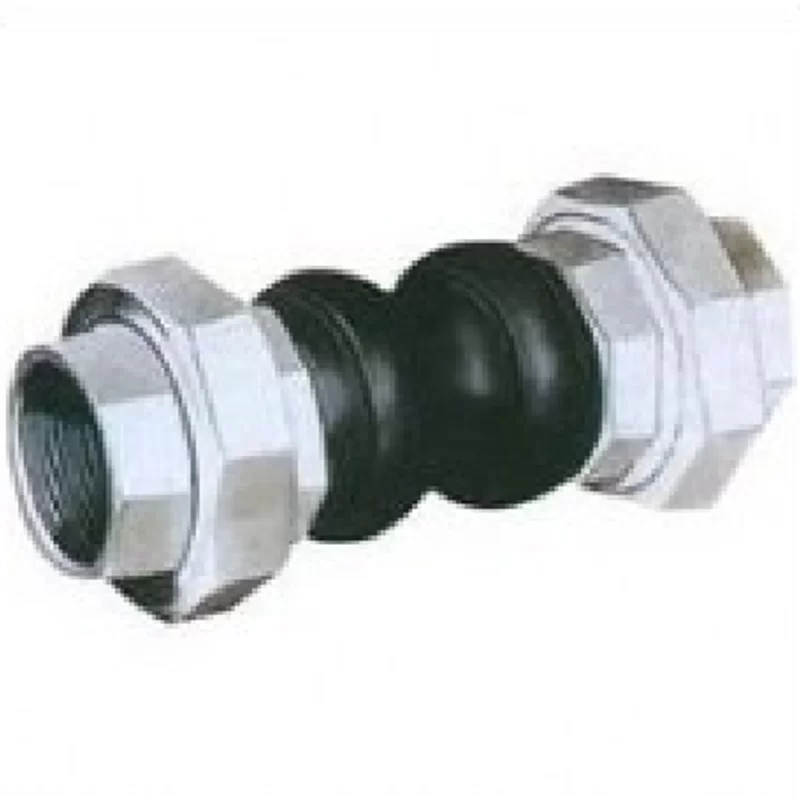
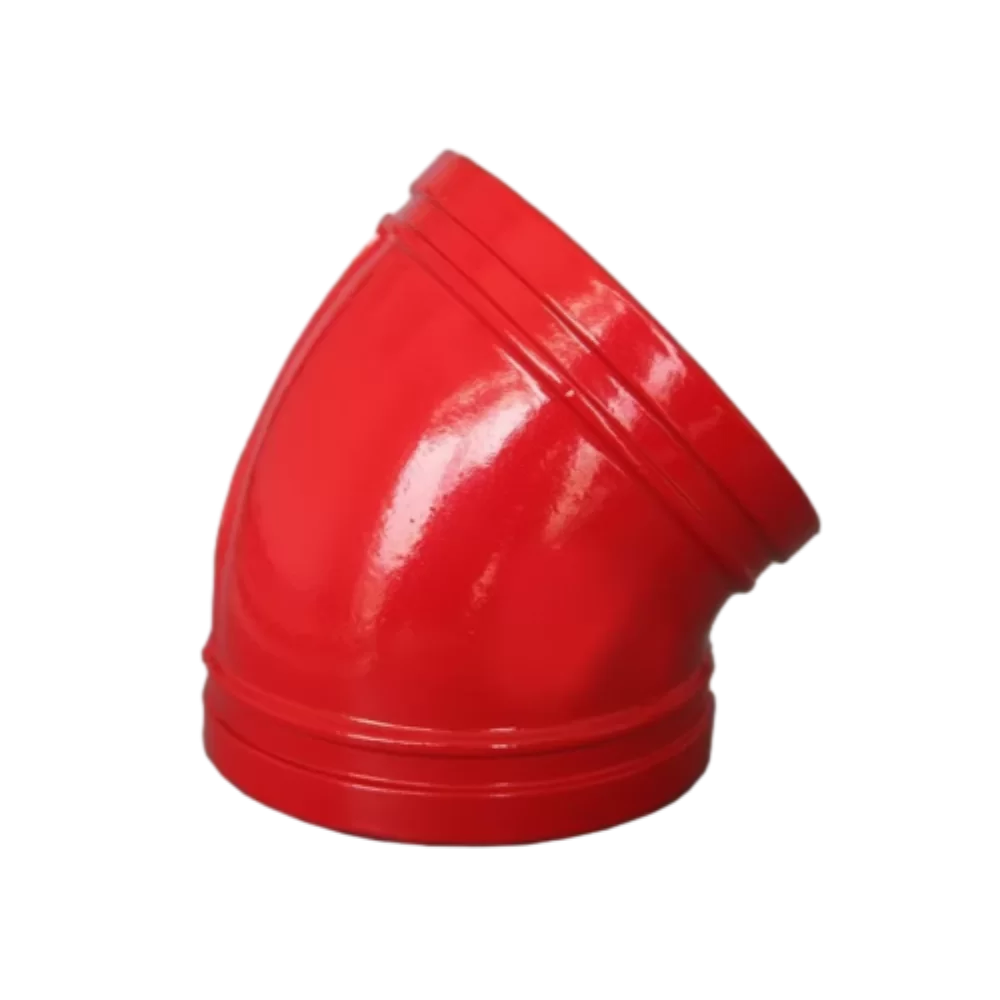
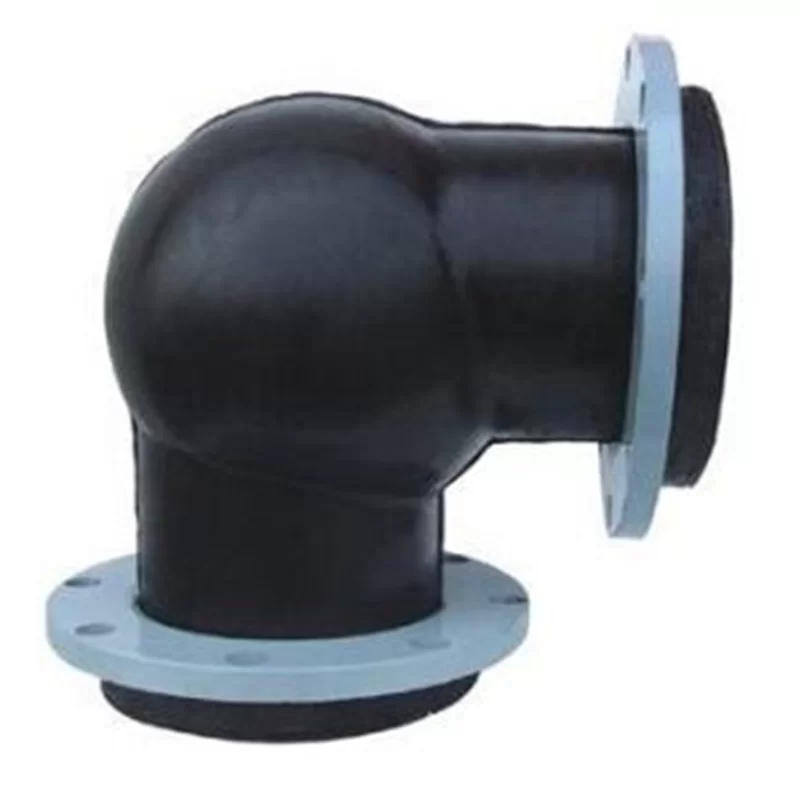
The late 1990s witnessed the rise of grooved couplings and fittings, offering faster and more secure connections. These systems minimized downtime during maintenance and repairs. Simultaneously, advancements in rubber gasket technology, enhancing sealing performance and reducing leakage were created. Demand for rubber joint increased.
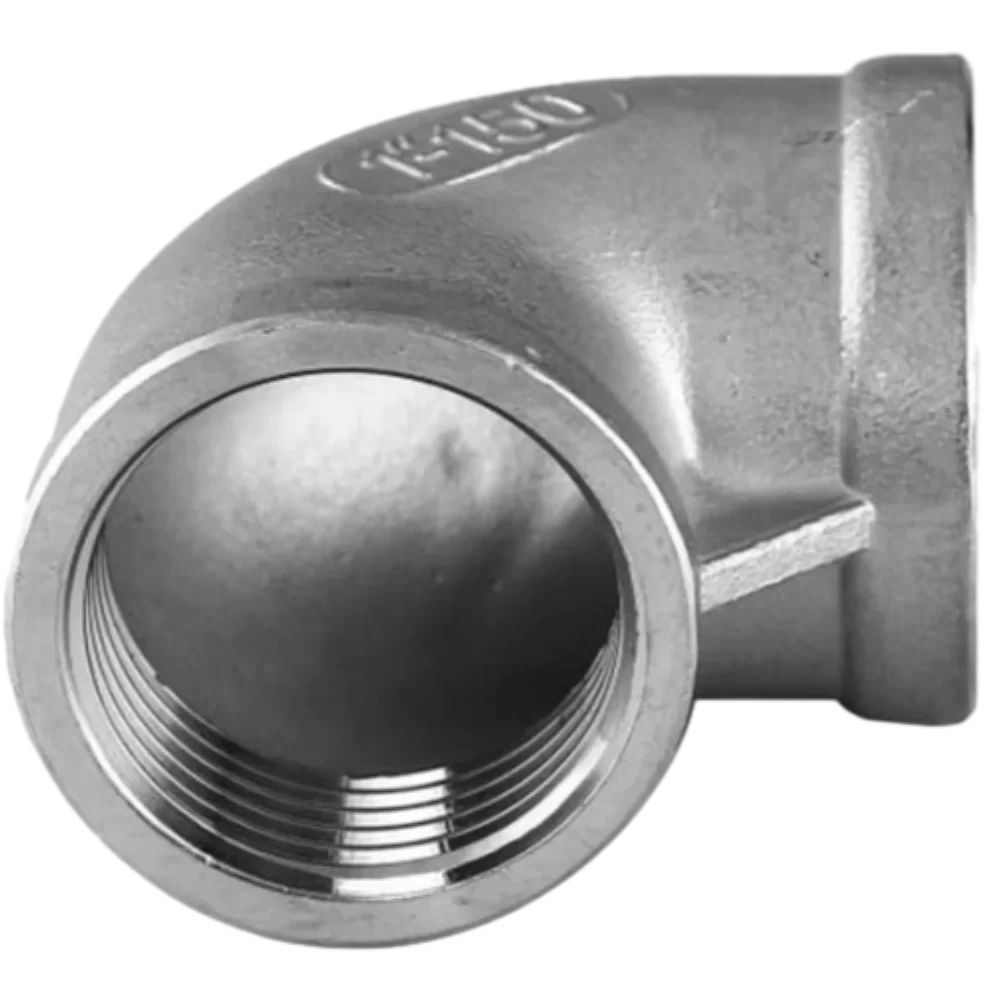
In the 21st century, the focus has shifted towards intelligent piping systems incorporating sensors and data analytics for predictive maintenance. The development of specialized alloys and coatings further enhances the performance of fittings in challenging environments. This also brought an increasing demand for stainless steel threaded fittings.
Future Development Trends
Smart Fittings and IoT Integration
The integration of sensors into fittings will enable real-time monitoring of pressure, temperature, and flow rate, facilitating predictive maintenance and preventing catastrophic failures. Google Trends data shows a significant increase in searches for "smart piping systems" and "IoT in industrial infrastructure."
Advanced Materials and Coatings
Research into new alloys and protective coatings will further enhance the corrosion resistance and durability of fittings. Expect to see increased use of materials like duplex stainless steel and specialized polymer coatings. Google searches for “corrosion resistant alloys” are rising.
Sustainable Piping Solutions
The demand for eco-friendly materials and manufacturing processes will drive the development of sustainable piping solutions. This includes the use of recycled materials and energy-efficient production techniques. Searches related to "sustainable piping" are consistently growing.