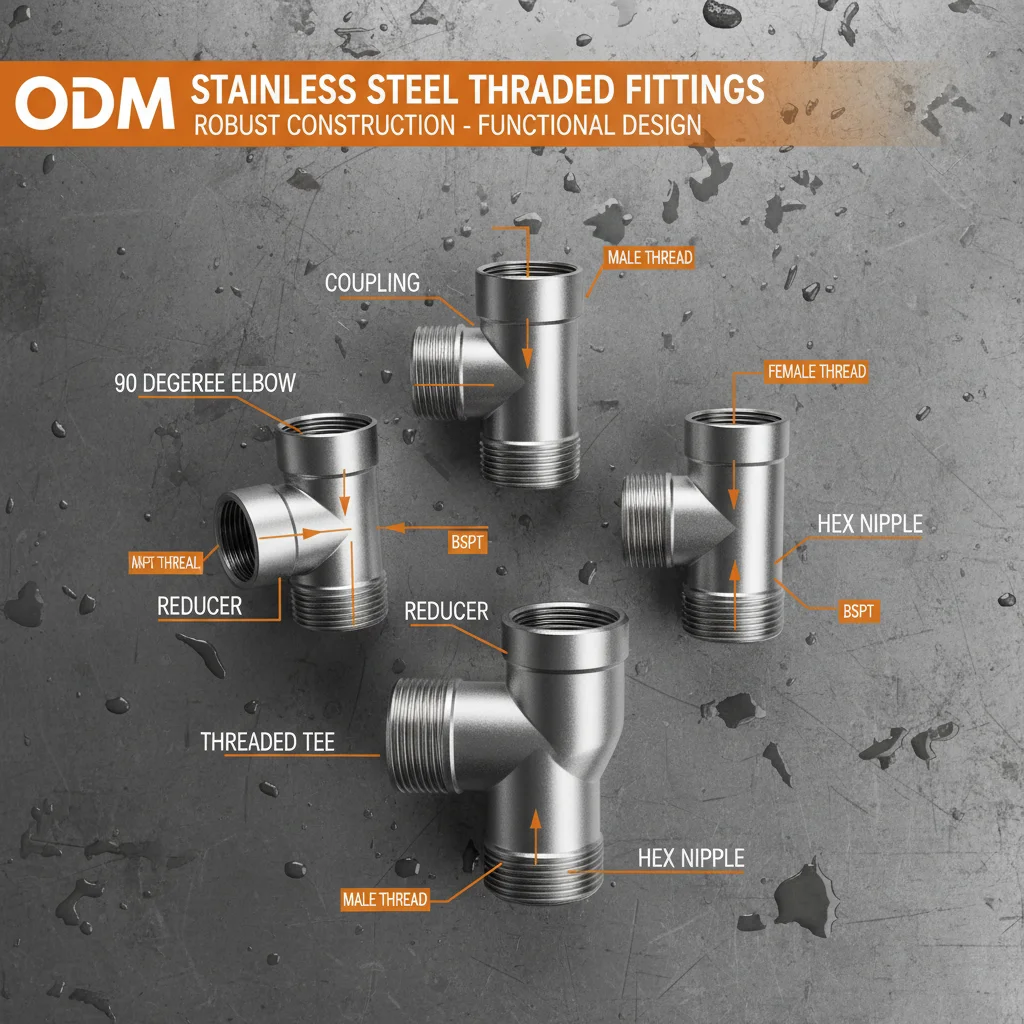
Malleable iron fittings for HVAC systems represent a critical component in the efficient and reliable distribution of heated or cooled air within buildings. These fittings, known for their durability and corrosion resistance, are increasingly important as building codes demand more robust and long-lasting infrastructure. Understanding their properties, applications, and the future trends surrounding them is essential for HVAC engineers, contractors, and building owners alike. The selection of high-quality malleable iron fittings directly impacts system performance and longevity, ultimately affecting occupant comfort and operational costs.
The global HVAC market is experiencing significant growth, driven by increasing urbanization, rising disposable incomes, and a heightened awareness of indoor air quality. According to a report by Grand View Research, the global HVAC market size was valued at USD 203.46 billion in 2022 and is projected to reach USD 276.81 billion by 2030. This expansion necessitates a reliable supply chain of high-performance components, where malleable iron fittings for hvac system play a crucial role.
A key challenge within the HVAC industry is ensuring the long-term integrity of ductwork and piping systems. Corrosion, fatigue, and material degradation can lead to costly repairs, energy loss, and even system failure. Malleable iron fittings offer a solution to these problems, providing a robust and dependable connection that can withstand the rigors of continuous operation and varying environmental conditions. The increasing focus on sustainability and energy efficiency further strengthens the demand for durable, long-lasting HVAC components.
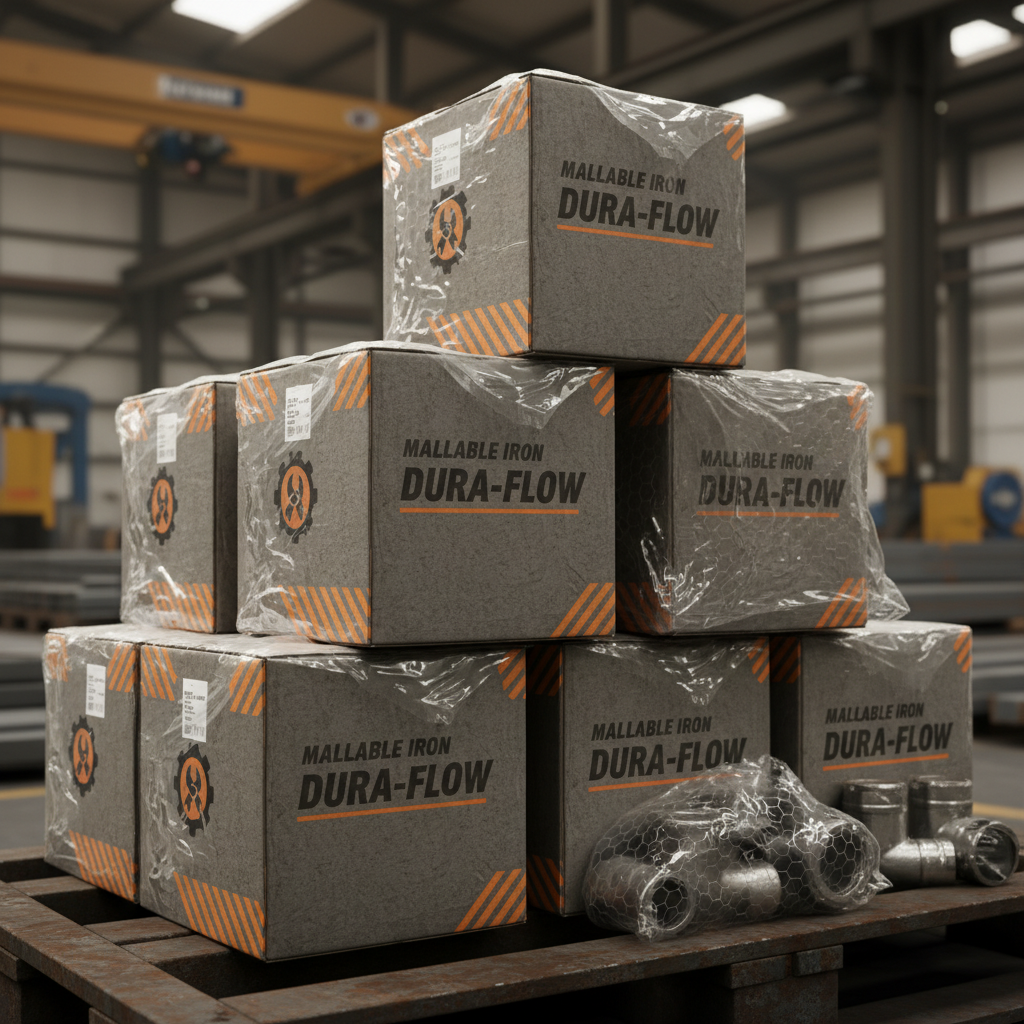
Introduction to Malleable Iron Fittings for HVAC Systems
Malleable iron fittings are essential connectors within Heating, Ventilation, and Air Conditioning (HVAC) systems, facilitating the smooth and secure transfer of air. They are renowned for their strength, ductility, and resistance to corrosion, making them an ideal choice for demanding applications where reliability is paramount. Proper selection and installation of these fittings are critical for ensuring optimal system performance and longevity. malleable iron fittings for hvac system are therefore a core component of any efficient and durable HVAC installation.
The increasing emphasis on energy efficiency and sustainability is driving demand for robust and long-lasting HVAC components, including malleable iron fittings. Compared to alternatives like plastic or welded steel, malleable iron offers a superior combination of strength, durability, and corrosion resistance, reducing the need for frequent repairs and replacements. This translates to lower life-cycle costs and a smaller environmental footprint, aligning with the growing trend towards green building practices.
Defining Malleable Iron Fittings for HVAC Applications
Malleable iron fittings are components fabricated from malleable iron—a type of cast iron that has undergone a heat treatment process to improve its ductility. This process transforms the brittle structure of cast iron into a more flexible and resilient material capable of withstanding stresses and vibrations common in HVAC systems. These fittings are specifically designed to connect sections of ductwork or piping, enabling the creation of complex air distribution networks.
In the context of HVAC, malleable iron fittings include a wide range of shapes and sizes, such as elbows, tees, couplings, reducers, and flanges. They are used to create turns, branch connections, and transitions in ductwork, allowing for efficient and customized air delivery. Their robust construction makes them suitable for both residential and commercial HVAC installations, especially those requiring high levels of durability and reliability.
The defining characteristic of malleable iron fittings, and the reason for their preference in many HVAC applications, is their ability to withstand significant pressure and temperature fluctuations without compromising structural integrity. This contrasts with other materials that may become brittle or corrode under similar conditions, leading to leaks and system failures. The enduring nature of malleable iron fittings for hvac system makes them a worthwhile investment.
Key Properties of Malleable Iron Fittings
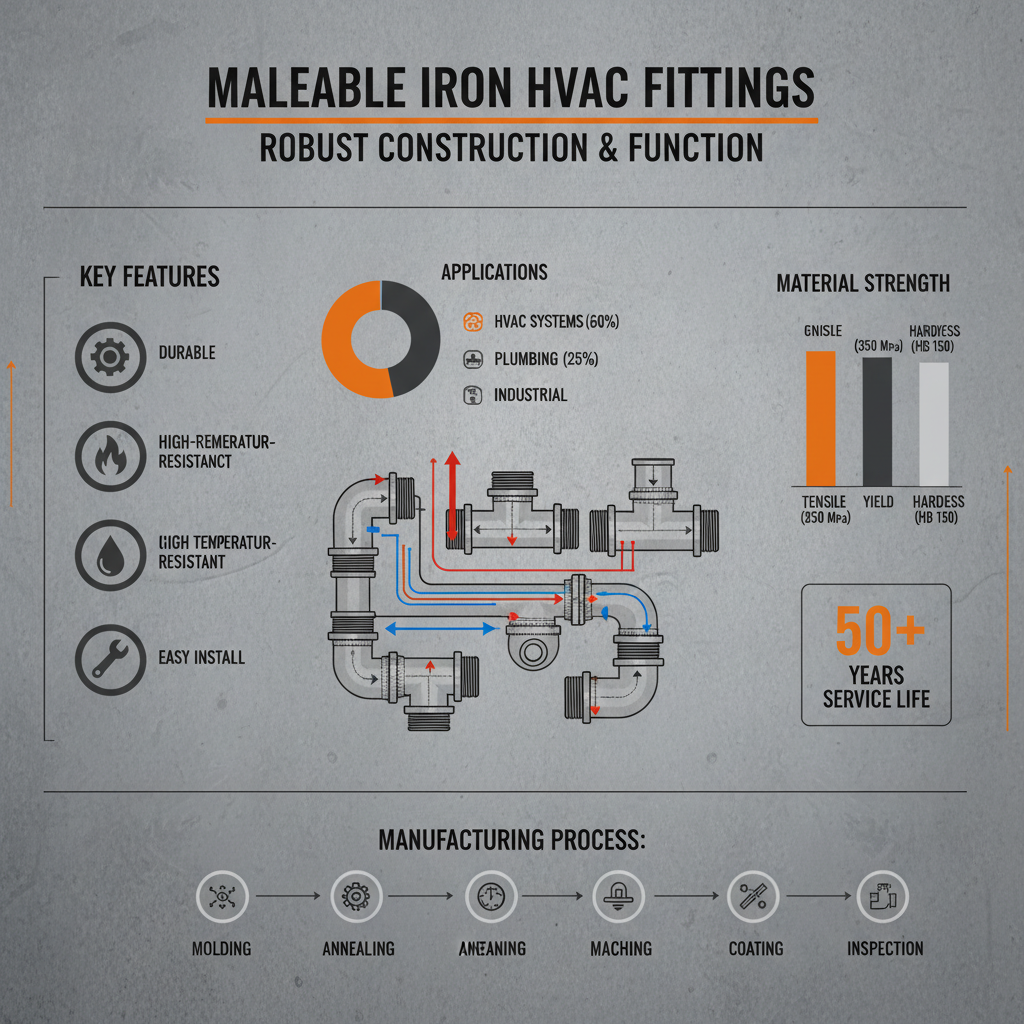
Durability is arguably the most significant property of malleable iron fittings. The heat treatment process imparts exceptional toughness and resistance to impact, preventing cracking or fracture under stress. This robustness ensures long-term reliability and minimizes the risk of costly repairs or replacements.
Corrosion resistance is another key advantage. Malleable iron naturally forms a protective oxide layer that shields the underlying metal from rust and corrosion, even in humid or corrosive environments. This is especially important in HVAC systems where condensation and exposure to airborne contaminants are common.
High tensile strength allows malleable iron fittings to withstand significant pressure without deformation or failure. This strength is essential for maintaining system integrity and preventing leaks, particularly in high-pressure ductwork or piping systems. Combined with their ductility, they can absorb shocks and vibrations, further enhancing their reliability.
Applications Across Diverse HVAC Systems
Malleable iron fittings are widely utilized in various HVAC systems, including residential forced-air heating and cooling, commercial ventilation systems, and industrial process air handling. In residential settings, they connect ductwork to furnaces, air conditioners, and ventilation fans, ensuring efficient air distribution throughout the home.
Commercial HVAC systems, such as those found in office buildings, hospitals, and schools, rely heavily on malleable iron fittings for their robust and reliable connections. These systems often involve complex ductwork layouts and high airflow rates, demanding fittings that can withstand significant stress and pressure.
Efficiency Comparison of Different Malleable Iron Fittings for HVAC Systems
Advantages and Long-Term Value Proposition
The primary advantage of utilizing malleable iron fittings in HVAC systems is their longevity. Their inherent durability and corrosion resistance translate to reduced maintenance costs and a longer service life compared to alternative materials. This minimizes downtime and ensures consistent system performance over the long term.
Beyond cost savings, malleable iron fittings for hvac system contribute to a more sustainable building practice. Their durability reduces the need for frequent replacements, minimizing waste and conserving resources. Their reliability also enhances indoor air quality by preventing leaks and ensuring efficient air distribution.
Global Applications and Market Trends
The demand for malleable iron fittings is particularly strong in regions undergoing rapid urbanization and infrastructure development, such as Asia-Pacific, Latin America, and the Middle East. These areas are experiencing a surge in construction activity, driving demand for reliable and cost-effective HVAC solutions.
Industries benefiting from the use of malleable iron fittings include healthcare, hospitality, education, and manufacturing. Hospitals and schools require highly reliable HVAC systems to maintain optimal indoor air quality and patient/student comfort. Manufacturing facilities often utilize these fittings in demanding industrial ventilation systems.
The trend towards smart building technologies is also influencing the market for HVAC components. As buildings become more automated and interconnected, the need for reliable and durable fittings that can withstand the demands of advanced control systems is increasing.
Future Innovations and Challenges
Future innovations in malleable iron fitting technology are likely to focus on improving manufacturing processes, enhancing corrosion resistance, and developing new coating materials. Research is underway to explore the use of advanced alloys and surface treatments to further extend the lifespan and performance of these fittings.
A significant challenge facing the industry is maintaining a consistent supply of high-quality malleable iron. Fluctuations in raw material prices and geopolitical factors can disrupt the supply chain and impact production costs. Diversifying sourcing strategies and investing in sustainable mining practices are crucial for mitigating these risks.
Addressing environmental concerns related to the manufacturing process is also a priority. Developing more energy-efficient production methods and minimizing waste generation are essential for reducing the carbon footprint of malleable iron fittings and promoting a circular economy.
Overview of Future Development Factors for Malleable Iron Fittings
| Material Composition |
Manufacturing Techniques |
Coating Technology |
Sustainability Impact |
| Advanced Alloy Integration |
Automated Casting Processes |
Eco-Friendly Corrosion Inhibitors |
Reduced Carbon Footprint |
| Optimized Iron-Carbon Ratio |
Precision Machining Techniques |
Self-Healing Coating Systems |
Waste Minimization Strategies |
| Enhanced Ductility Additives |
Additive Manufacturing (3D Printing) |
Bio-Based Protective Layers |
Circular Economy Principles |
| Improved Corrosion Resistance |
Real-Time Quality Control |
Nanotechnology-Based Coatings |
Renewable Energy Integration |
| High-Strength Material Blends |
Robotic Assembly Systems |
UV-Resistant Surface Treatments |
Responsible Sourcing Initiatives |
| Lightweight Alloy Formulations |
Lean Manufacturing Processes |
Smart Coatings with Sensors |
Reduced Water Consumption |
FAQS
Malleable iron offers superior strength, durability, and temperature resistance compared to PVC. It's less prone to cracking or deformation under stress and can withstand higher operating temperatures, making it ideal for demanding HVAC applications. Additionally, malleable iron is less susceptible to UV degradation and offers better sound dampening qualities than PVC. While the initial cost might be higher, the longevity and reduced maintenance requirements of malleable iron often result in lower life-cycle costs.
Proper installation is crucial for leak prevention. Ensure all threads are clean and free of debris before applying a thread sealant approved for use with malleable iron. Tighten fittings securely, but avoid over-tightening, which can damage the threads. Regularly inspect the fittings for any signs of corrosion or damage, and promptly address any issues to maintain system integrity. Follow the manufacturer's guidelines for specific installation procedures.
With proper installation and maintenance, malleable iron fittings can have a lifespan of 50 years or more in a typical HVAC system. Their inherent durability and corrosion resistance contribute to their longevity. However, the lifespan can be affected by environmental factors such as humidity, exposure to corrosive chemicals, and the quality of installation. Regular inspections and preventative maintenance are essential for maximizing their service life.
It's important to verify compatibility between malleable iron fittings and the specific refrigerant being used in the HVAC system. While malleable iron is generally compatible with many common refrigerants, some newer refrigerants may require specialized fittings. Consult the fitting manufacturer and refrigerant specifications to ensure compatibility and prevent corrosion or material degradation.
Malleable iron fittings typically offer a balance between cost and performance compared to steel fittings. Steel is generally stronger, but also more susceptible to corrosion if not properly coated. Malleable iron provides excellent strength and ductility with inherent corrosion resistance. The cost of malleable iron fittings is usually lower than that of comparable steel fittings, making them a cost-effective choice for many HVAC applications.
Common causes of failure include corrosion, over-tightening of fittings, and exposure to excessive stress or vibration. Prevention involves using appropriate thread sealants, avoiding over-tightening, providing adequate support for ductwork, and conducting regular inspections for signs of corrosion or damage. Implementing a preventative maintenance schedule can significantly extend the lifespan of malleable iron fittings.
Conclusion
In summary, malleable iron fittings represent a robust and reliable solution for a wide range of HVAC applications. Their inherent durability, corrosion resistance, and cost-effectiveness make them a valuable component in both residential and commercial systems. By understanding their properties, applications, and proper installation techniques, engineers and contractors can ensure optimal system performance and longevity. malleable iron fittings for hvac system continue to play a pivotal role in modern HVAC infrastructure.
Looking ahead, continued innovation in materials science and manufacturing processes will further enhance the performance and sustainability of malleable iron fittings. Addressing challenges related to raw material supply and environmental impact will be crucial for maintaining their long-term viability. Ultimately, the enduring qualities of these fittings position them as a vital component in the evolution of efficient and reliable HVAC systems for years to come.