In the complex landscape of modern fluid handling, the custom grooved threaded elbow has emerged as a critical component for engineers seeking a balance between rapid installation and airtight security. By combining the versatility of grooved coupling systems with the precision of threaded connections, these components allow for seamless directional changes in piping networks across diverse industrial environments.
The global shift toward modular construction and reduced onsite labor has placed a premium on components that can be tailored to specific project dimensions. A custom grooved threaded elbow eliminates the need for extensive field welding, thereby reducing fire hazards and labor costs while maintaining the structural integrity required for high-pressure systems.
Understanding the technical nuances of these fittings is not merely about procurement, but about optimizing the lifecycle of a facility's infrastructure. From mitigating vibration in mechanical rooms to ensuring corrosion resistance in chemical plants, the right custom configuration ensures long-term operational safety and efficiency.
Global Relevance of Custom Grooved Threaded Elbows
The global demand for precision piping is escalating, driven by the expansion of smart cities and industrial automation. According to ISO standards for piping systems, the transition from traditional welded joints to mechanical couplings has reduced installation time by up to 40%. The custom grooved threaded elbow plays a pivotal role in this transition, allowing for rapid deployment in critical infrastructure such as fire protection systems and HVAC networks.
However, the industry faces a persistent challenge: the "one size fits all" approach often leads to inefficient piping layouts and increased pressure drops. By utilizing custom-engineered elbows, manufacturers can optimize flow dynamics and reduce turbulence, which is essential for maintaining the efficiency of high-capacity pumping stations and chemical processing lines globally.
Technical Definition and Industrial Utility
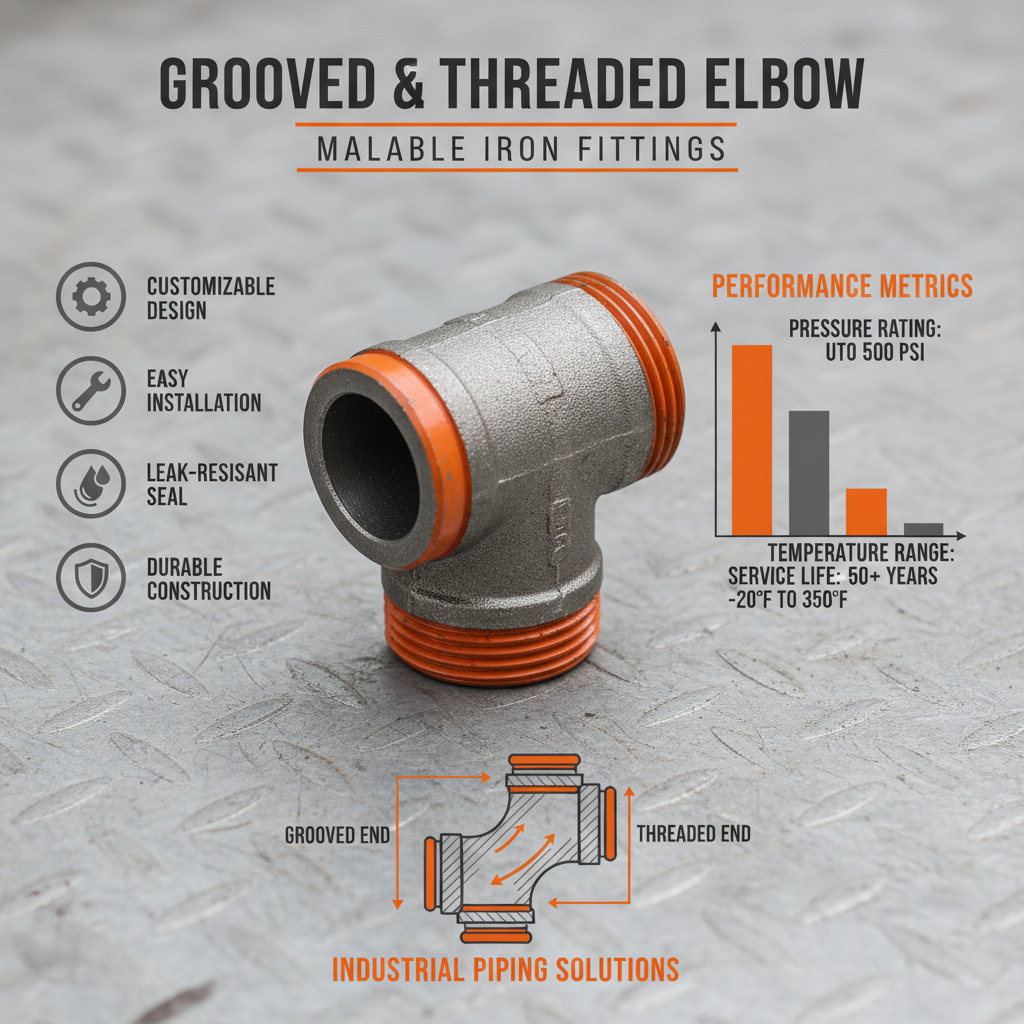
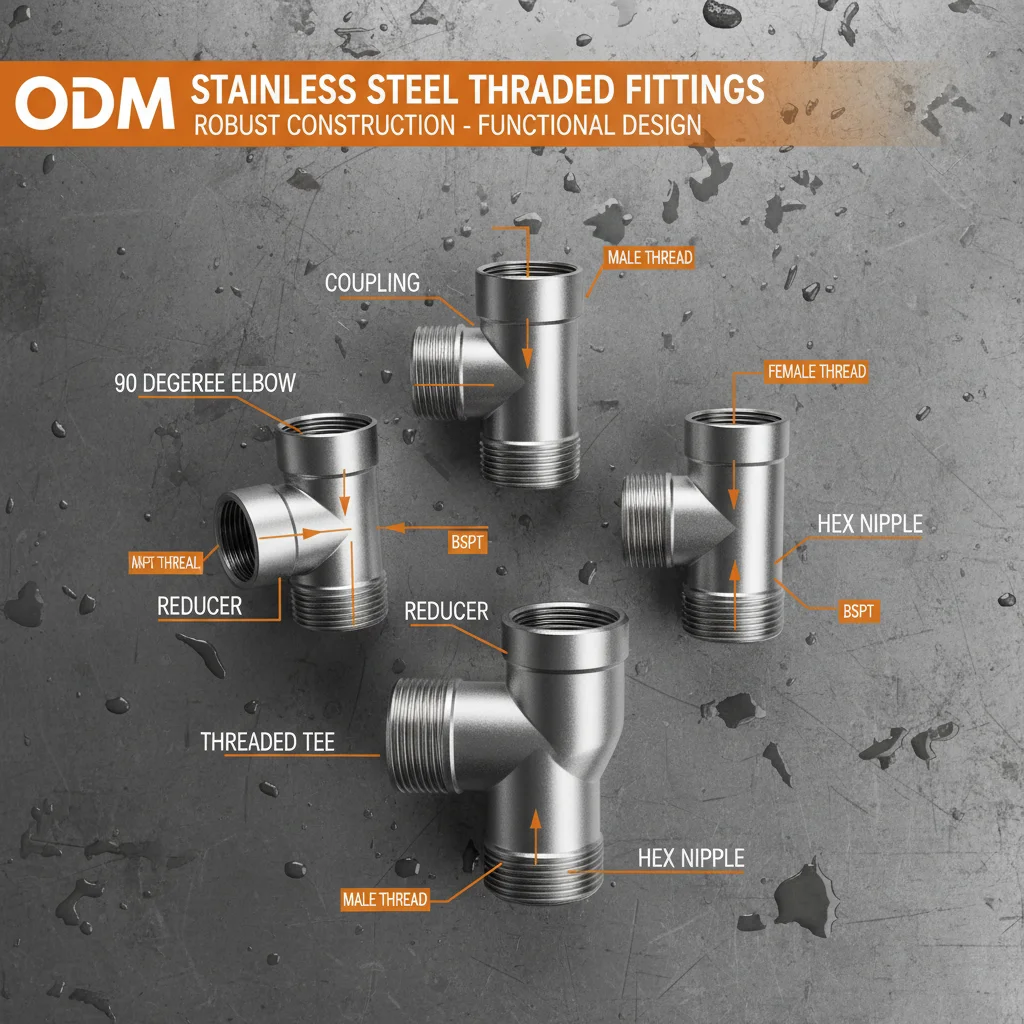
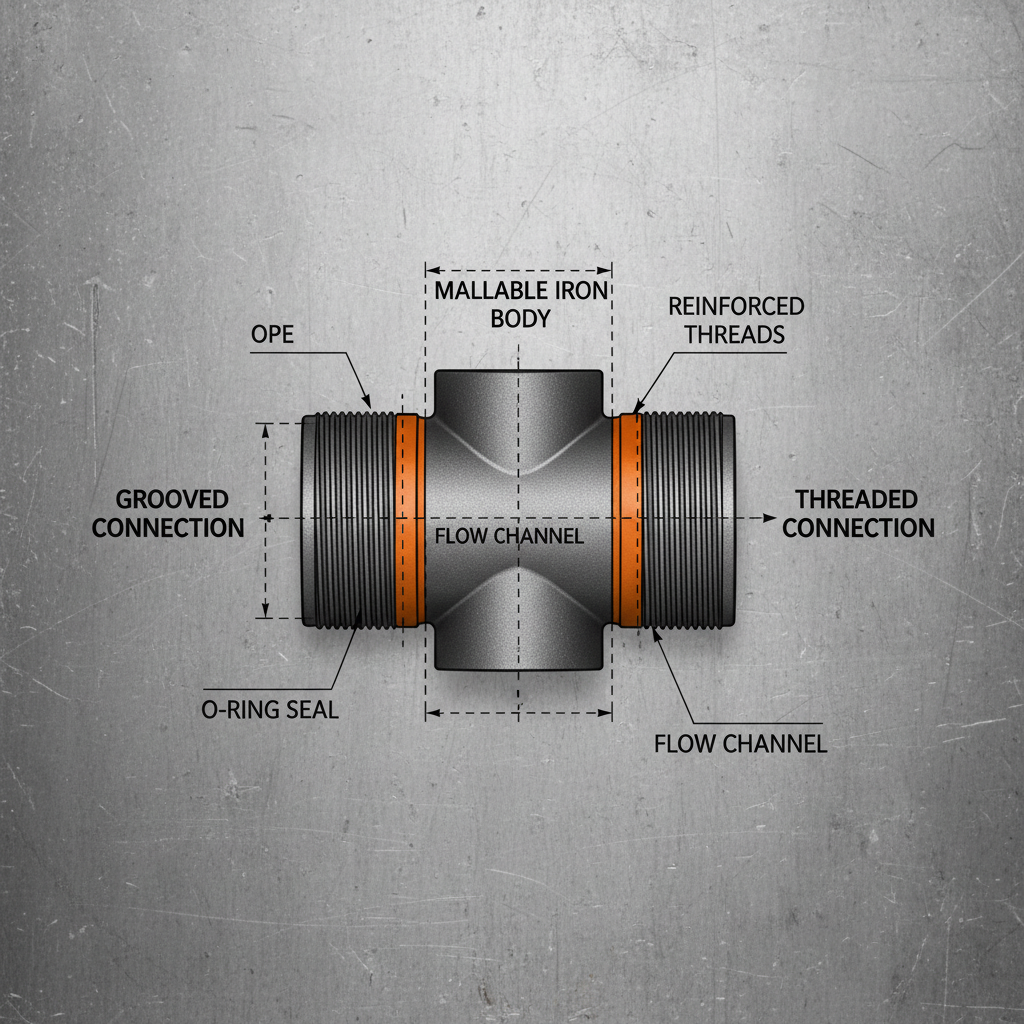
A custom grooved threaded elbow is a specialized piping fitting designed to change the direction of fluid flow, typically by 45 or 90 degrees, featuring a hybrid connection mechanism. One end is engineered with a precise groove for mechanical coupling, while the other employs a threaded interface, allowing it to bridge the gap between different piping standards or connection types within a single system.
In modern industrial contexts, this hybrid design addresses the need for flexibility. For instance, in a facility transitioning from old malleable iron threaded pipes to new grooved stainless steel systems, these elbows serve as the essential adapter. This prevents the need for complete system overhauls, saving companies millions in capital expenditure while ensuring a leak-proof transition.
From a humanitarian and safety perspective, these fittings are indispensable in rapid-response infrastructure. Whether it is setting up temporary water filtration plants in disaster zones or deploying emergency fire suppression in historic buildings, the ability to quickly secure a high-pressure connection without welding is a matter of operational urgency and safety.
Core Engineering Factors for Performance
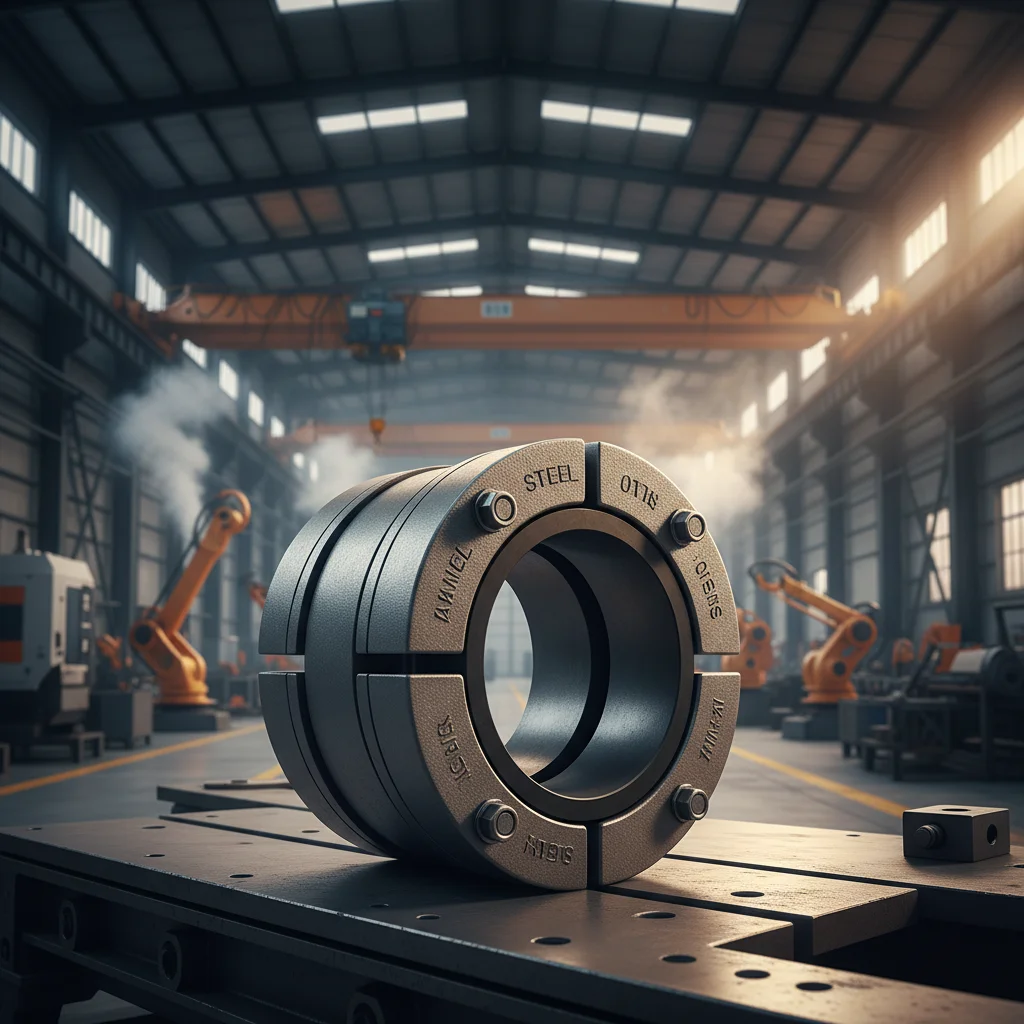
Durability is the primary benchmark for any custom grooved threaded elbow. The selection of materials—ranging from ductile iron to high-grade stainless steel—determines the fitting's ability to withstand corrosive agents and extreme temperature fluctuations. Proper metallurgy ensures that the threads do not gall and the grooves maintain their shape under intense mechanical stress.
Scalability and adaptability are further enhanced through precision machining. Because these are custom components, engineers can specify exact wall thicknesses and radius curves to minimize friction loss. This optimization is critical in high-viscosity fluid transport, where even a slight deviation in the elbow's internal geometry can lead to significant energy loss across the pumping system.
Cost efficiency is realized not just in the purchase price, but in the reduction of "total installed cost." By integrating a custom grooved threaded elbow, projects see a drastic reduction in man-hours. The elimination of weld-prep, purging, and X-ray testing of joints allows projects to move from the blueprint stage to the operational stage significantly faster than traditional methods.
Comparative Analysis of Installation Methods
When evaluating the efficiency of various joining methods, the hybrid approach of the custom grooved threaded elbow offers a unique advantage. Traditional welding provides strength but lacks flexibility, whereas pure threading can be time-consuming for large diameters. The grooved-threaded hybrid allows for a "fast-lock" mechanism on one side and a "precision-seal" on the other.
This versatility is particularly evident in retrofit projects where existing threaded headers must be connected to new grooved distribution lines. The following data illustrates the performance ratings of different custom fitting configurations based on installation speed, leak resistance, and long-term reliability.
Performance Metrics of Custom Grooved Threaded Elbow Configurations
Global Applications and Real-World Use Cases
Across the globe, the custom grooved threaded elbow is utilized in high-stakes environments. In the pharmaceutical industry in Europe, these fittings are used to create sanitary piping loops that can be quickly disassembled for sterilization. The custom nature of the elbows ensures that there are no "dead legs" in the piping where bacteria could accumulate, meeting stringent FDA and EMA requirements.
In the energy sector of the Middle East, these components are vital for oil and gas gathering stations. The ability to mix grooved and threaded connections allows operators to integrate legacy equipment with modern high-pressure manifolds. In remote industrial zones where skilled certified welders are scarce, the mechanical nature of these elbows allows local technicians to perform installations safely and accurately, reducing downtime.
Long-Term Value and Sustainability Benefits
Investing in a custom grooved threaded elbow provides tangible long-term value through reduced maintenance overhead. Unlike welded joints, which are permanent and require cutting to modify, grooved-threaded combinations are reversible. This allows for future system expansions or rerouting without destroying the existing pipework, embodying the principle of sustainable engineering.
From a safety perspective, the reliability of these fittings provides peace of mind. In high-rise commercial buildings, where fire sprinkler systems must be flawless, the mechanical security of a custom-engineered elbow reduces the risk of catastrophic leaks. This reliability builds trust between the contractor and the property owner, ensuring the building's longevity and the safety of its occupants.
Furthermore, the reduction in onsite hot-work (welding) significantly lowers the carbon footprint of the construction phase. By shifting the precision work to a controlled factory environment, waste is minimized, and the energy required for onsite heating and ventilation during installation is drastically reduced, contributing to overall green building certifications.
Future Trends in Pipe Fitting Innovation
The future of the custom grooved threaded elbow lies in the integration of smart materials and digital twin technology. We are seeing a move toward "intelligent fittings" that incorporate embedded sensors to monitor pressure drops and leakages in real-time. This digital transformation allows facility managers to predict failures before they occur, moving from reactive to predictive maintenance.
Material science is also evolving, with the introduction of advanced polymer coatings and hybrid composites that offer the strength of steel with the weight and corrosion resistance of plastics. These innovations are particularly relevant for hydrogen transport infrastructure, where hydrogen embrittlement poses a significant risk to traditional steel fittings.
As automation takes over the manufacturing process, 3D printing (additive manufacturing) will allow for even more complex custom geometries. This will enable the production of elbows with internal vortex-reducing ribs, further enhancing flow efficiency and reducing the energy required for pumping fluids across vast industrial complexes.
Comparison of Custom Fitting Material Performance
| Material Type |
Corrosion Resistance |
Pressure Rating |
Installation Ease |
| Ductile Iron |
Moderate |
High |
Excellent |
| Stainless Steel 304 |
High |
Moderate |
Good |
| Stainless Steel 316 |
Very High |
Moderate |
Good |
| Carbon Steel |
Low |
Very High |
Excellent |
| Galvanized Iron |
Moderate |
High |
Excellent |
| Alloy Steel |
High |
Extreme |
Moderate |
FAQS
The primary advantage is the installation speed and flexibility. Unlike welded elbows, a custom grooved threaded elbow allows for mechanical coupling and threading, which eliminates the need for expensive welding equipment, certified welders, and time-consuming non-destructive testing. Furthermore, they can be disassembled and relocated, making them ideal for facilities that may undergo future layout changes.
Yes, provided the material and wall thickness are correctly specified. When engineered to ISO and ANSI standards, custom grooved threaded elbows can handle significant pressures. The grooved side utilizes a gasket-sealed coupling that is rated for high-pressure environments, while the threaded side provides a rigid, secure connection. Always consult the pressure rating chart for your specific material (e.g., Carbon Steel vs. Stainless Steel).
A leak-proof seal depends on two factors: the quality of the groove and the choice of the gasket. Ensure the groove is rolled or cut to precise specifications to allow the coupling to seat correctly. For the threaded end, using high-quality PTFE tape or industrial-grade thread sealant is essential. Regular inspection of the coupling bolts to ensure they are torqued to the manufacturer's specifications is also recommended.
One of the main reasons for choosing a custom elbow is compatibility. By specifying the material—such as using a stainless steel elbow to connect a galvanized pipe to a PVC line (via appropriate adapters)—you can create a bridge between disparate systems. However, to avoid galvanic corrosion, we recommend using dielectric unions or ensuring the materials are electrochemically compatible.
Lead times vary depending on the complexity of the customization and the material. Standard custom sizes can often be shipped within 1-2 weeks. However, for highly specialized alloy specifications or non-standard angles, the process including design verification and precision machining may take 3-6 weeks. We recommend early procurement to align with your project's construction schedule.
The choice depends on the desired flow dynamics and available space. A 90-degree custom grooved threaded elbow is used for sharp directional changes, saving space in tight corridors. A 45-degree elbow is preferred for reducing pressure drop and turbulence, which is critical for maintaining pump efficiency and reducing the risk of water hammer in high-velocity systems.
Conclusion
The integration of the custom grooved threaded elbow into modern piping architecture represents a significant leap in engineering efficiency. By blending the speed of grooved systems with the reliability of threaded connections, these components solve the age-old conflict between installation speed and structural integrity. From reducing labor costs to enhancing system adaptability and sustainability, the value of precision-engineered fittings is evident across every sector of the manufacturing and construction industries.
As we look toward a future of smart infrastructure and green energy, the role of customizable, high-performance fittings will only grow. We encourage engineers and project managers to move away from generic components and embrace tailored solutions that optimize flow, reduce waste, and ensure long-term safety. For professional-grade components and custom engineering support, visit our website: www.hebei-fitting.com.