Tracing the development of fitting technologies and their integration into Gabon's industrial applications.
Market Development History
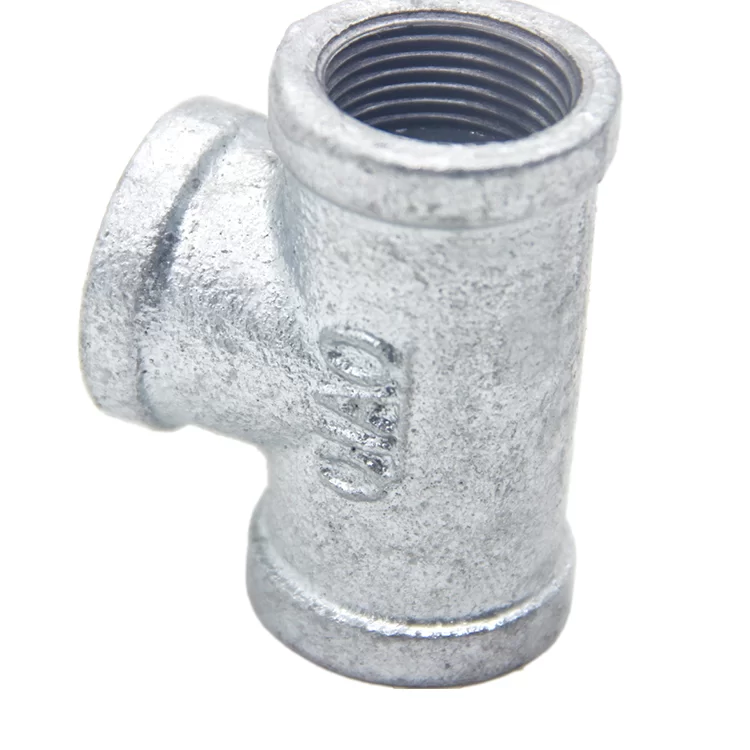
Historically, Gabon’s piping infrastructure relied heavily on galvanized steel fittings. From the 1970s to the 1990s, this was the dominant material. However, the inherent corrosion issues led to frequent maintenance and replacements, increasing lifecycle costs. The emergence of plastic fittings in the late 90s offered a temporary solution, but lacked the strength required for many industrial applications.
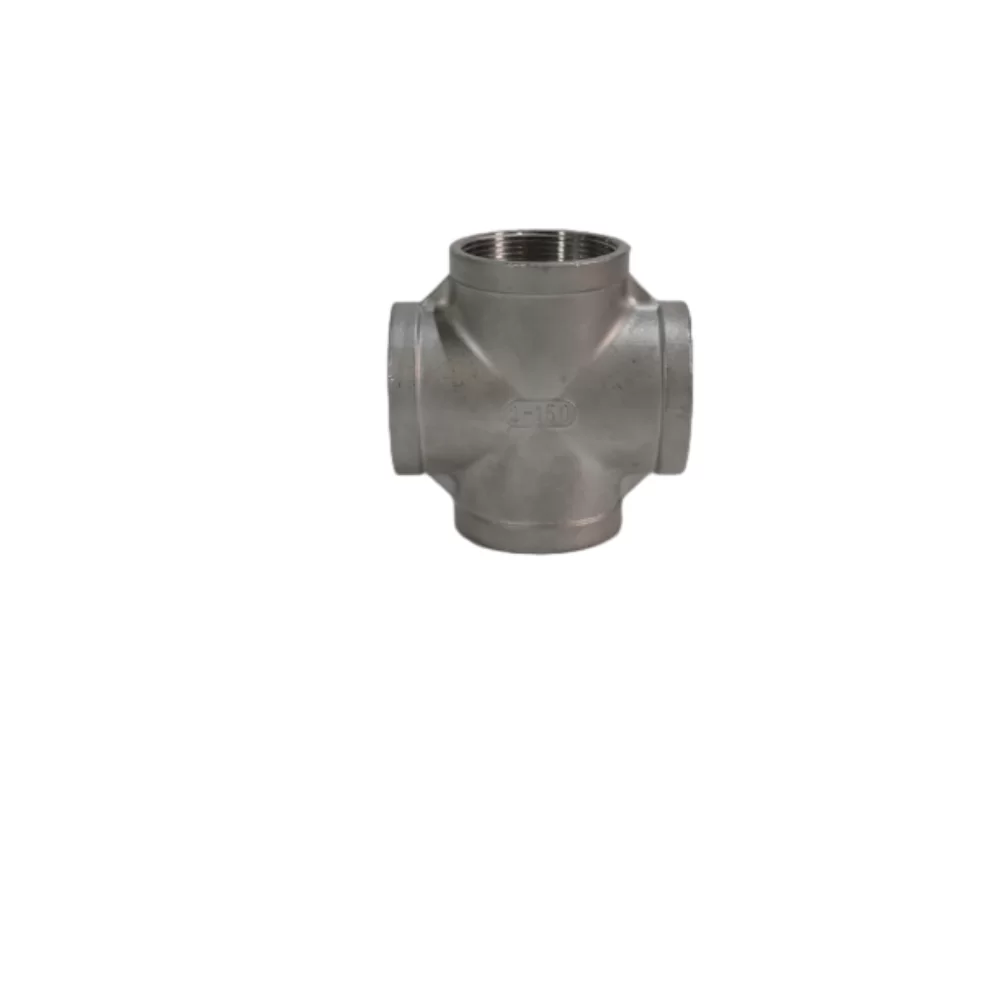
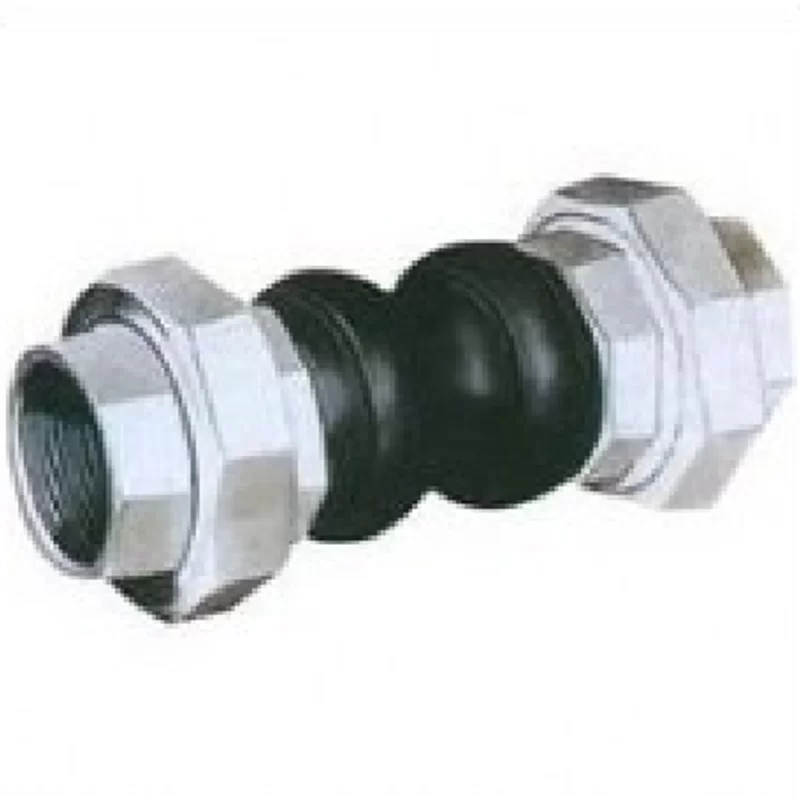
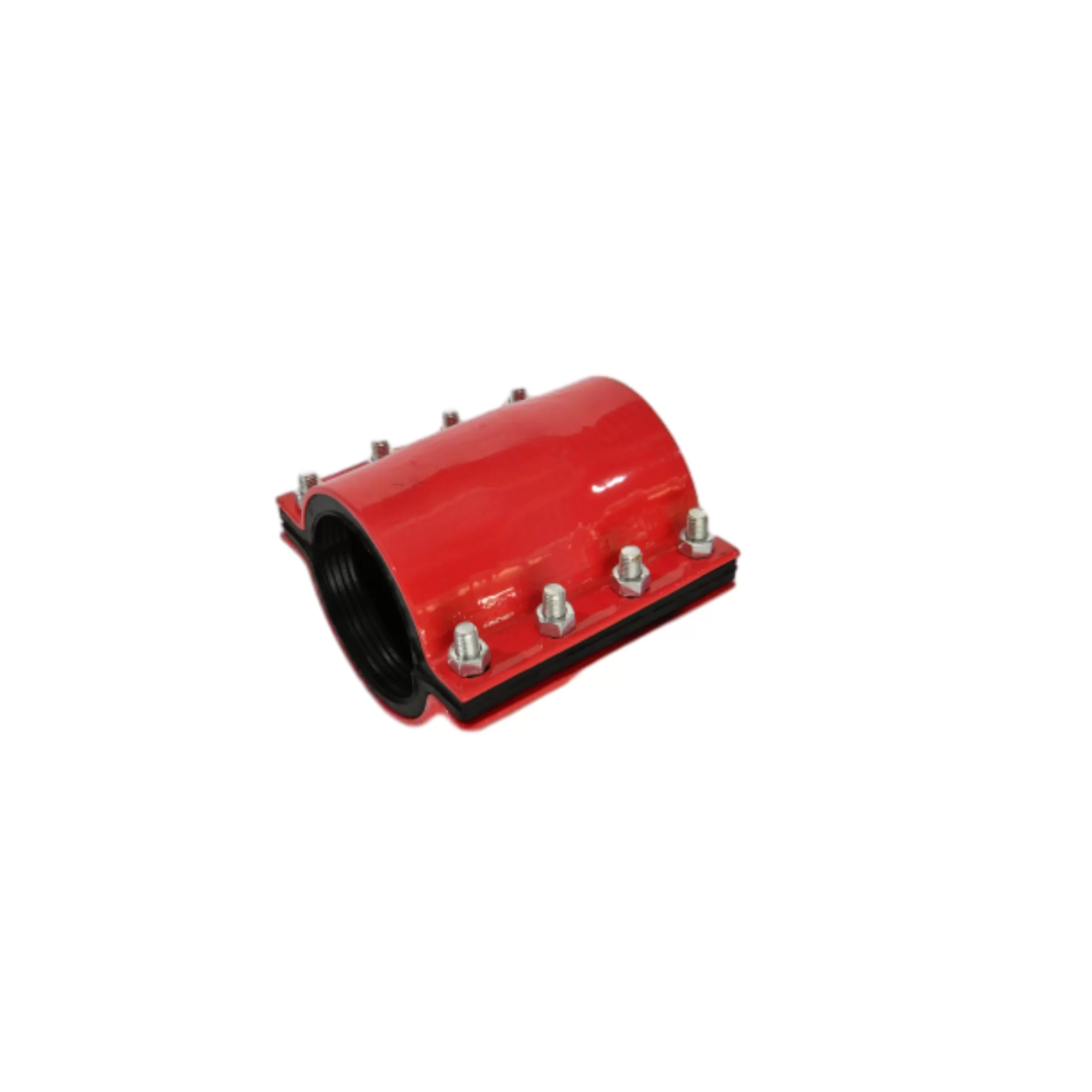
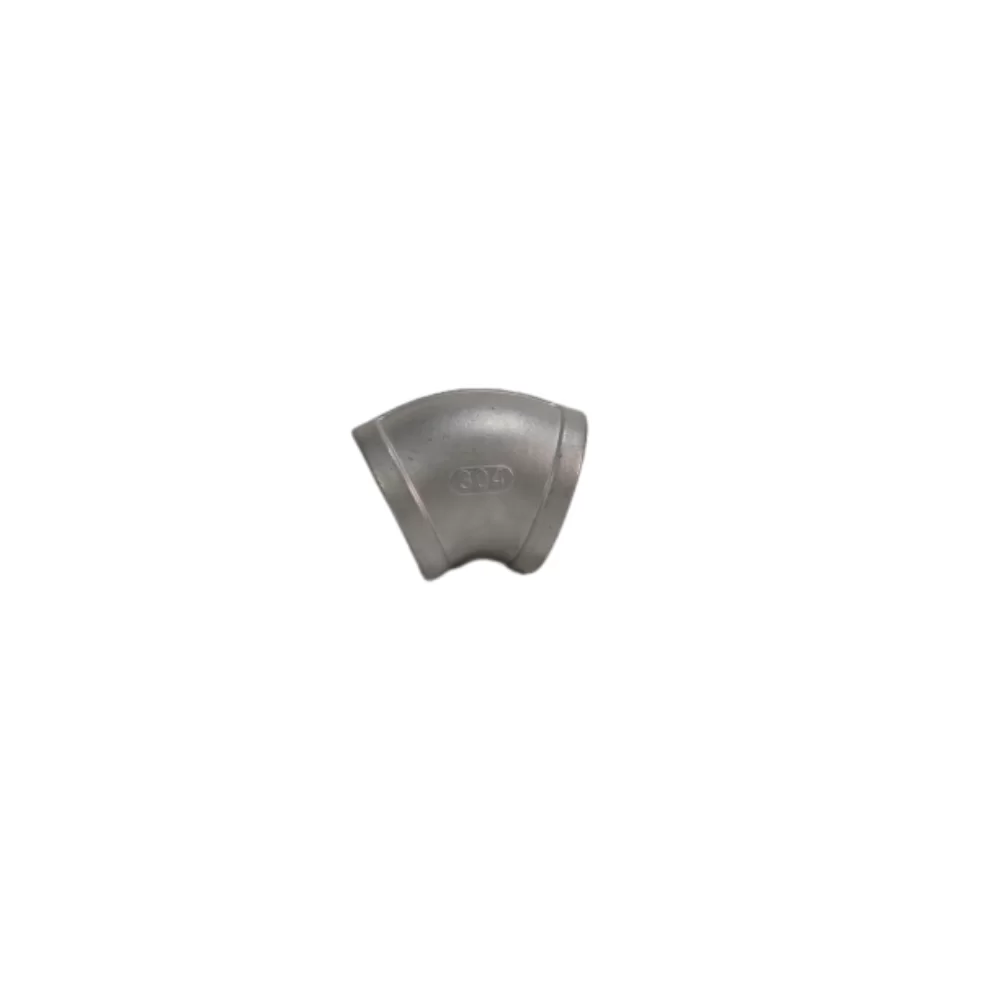
The 2000s witnessed the gradual introduction of stainless steel fittings, driven by the oil & gas sector's need for durable, corrosion-resistant components. Simultaneously, the adoption of rubber joint technology began, improving flexibility and reducing vibration in piping systems. This period saw a growing awareness of the importance of international standards and certifications.
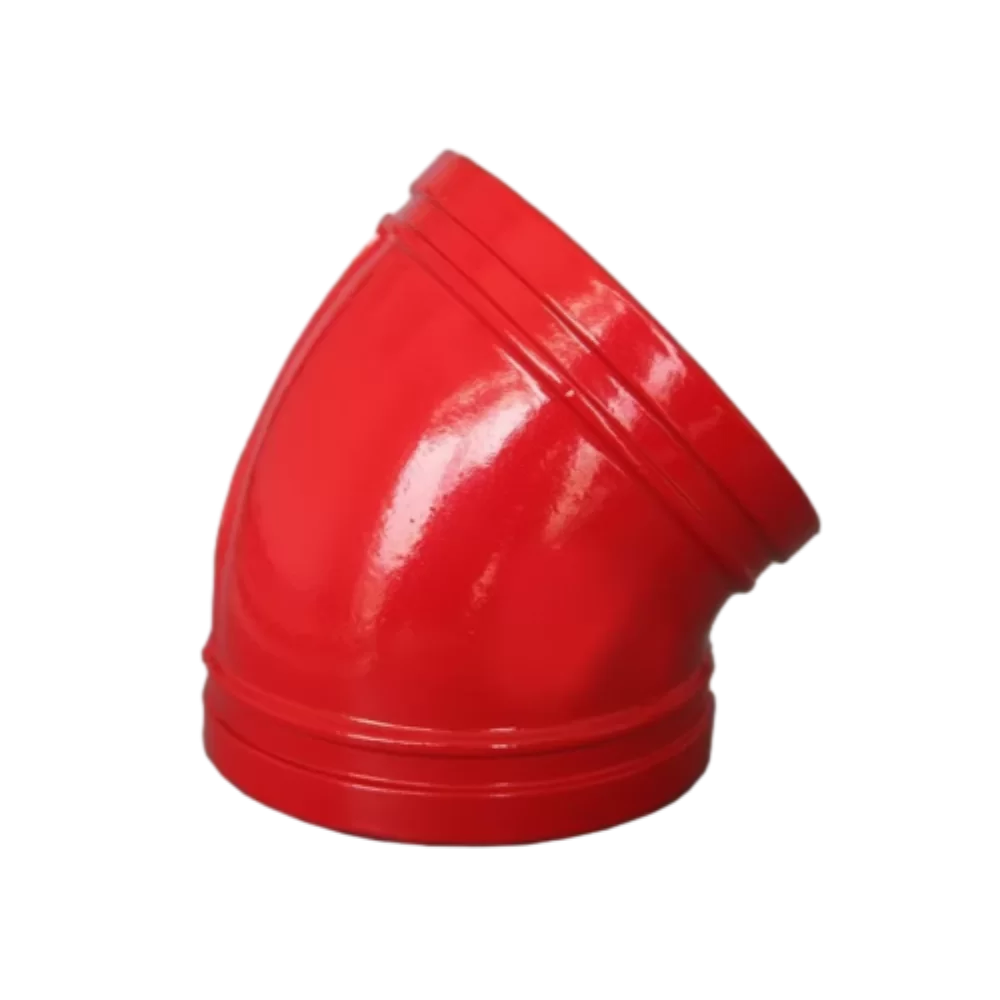
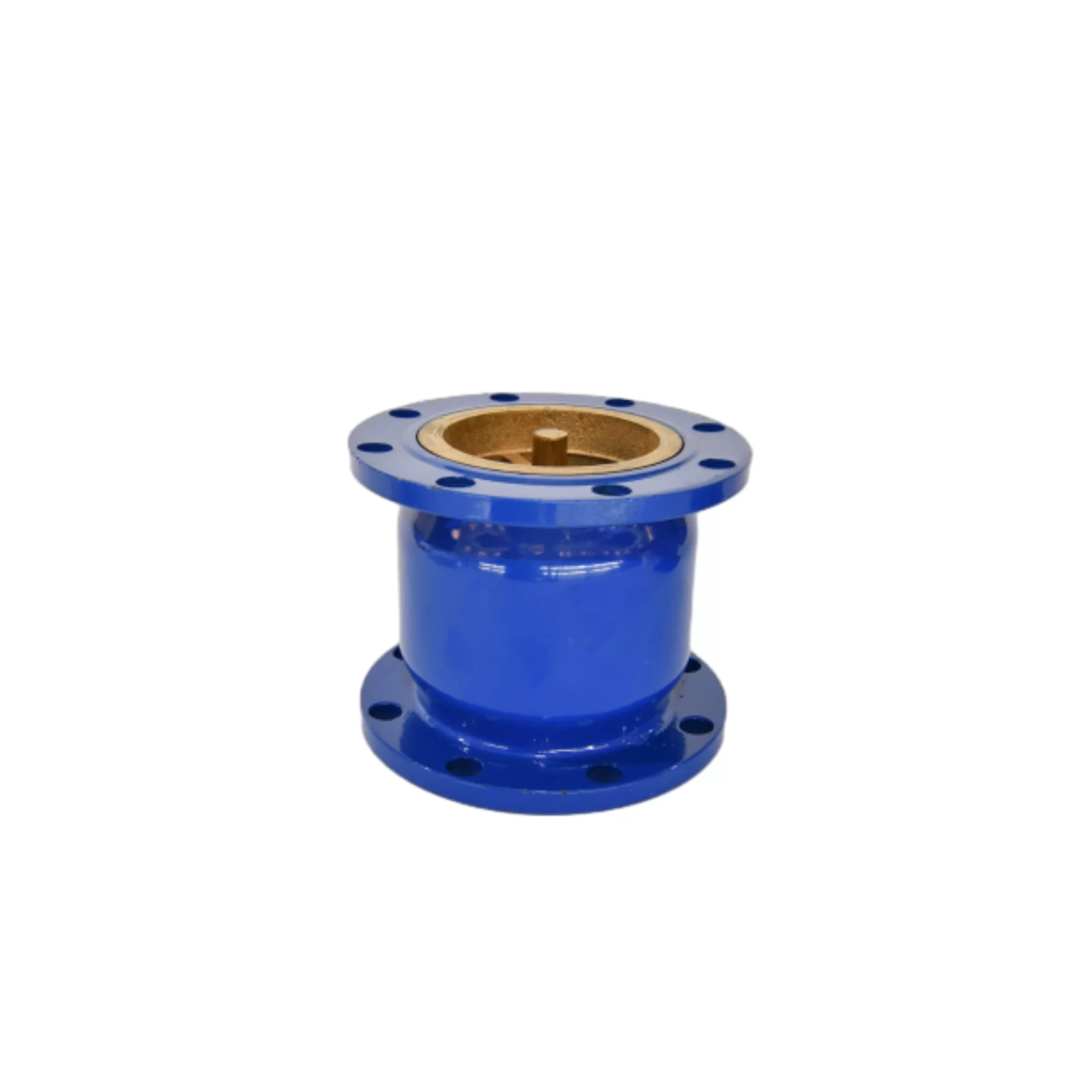
From 2010 onwards, the demand for specialized fittings like grooved couplings and flanged joints increased, driven by larger-scale infrastructure projects. Advances in material science resulted in the development of duplex stainless steels and high-alloy materials, offering superior resistance to aggressive environments.
Future Development Trends
Smart Fittings and IoT Integration
The integration of sensors and data analytics into fittings is gaining traction globally. This allows for real-time monitoring of pipe integrity, leak detection, and predictive maintenance – a trend expected to reach Gabon in the coming years.
Advanced Materials and Coatings
Research into new materials like super-austenitic stainless steels and advanced coatings will enhance corrosion resistance and extend the lifespan of fittings in harsh environments. Google Trends data shows a rising search interest in ‘corrosion-resistant materials’ within the African region.
Sustainable and Eco-Friendly Solutions
The demand for environmentally friendly materials and manufacturing processes will increase, leading to the development of fittings made from recycled materials and utilizing energy-efficient production techniques.