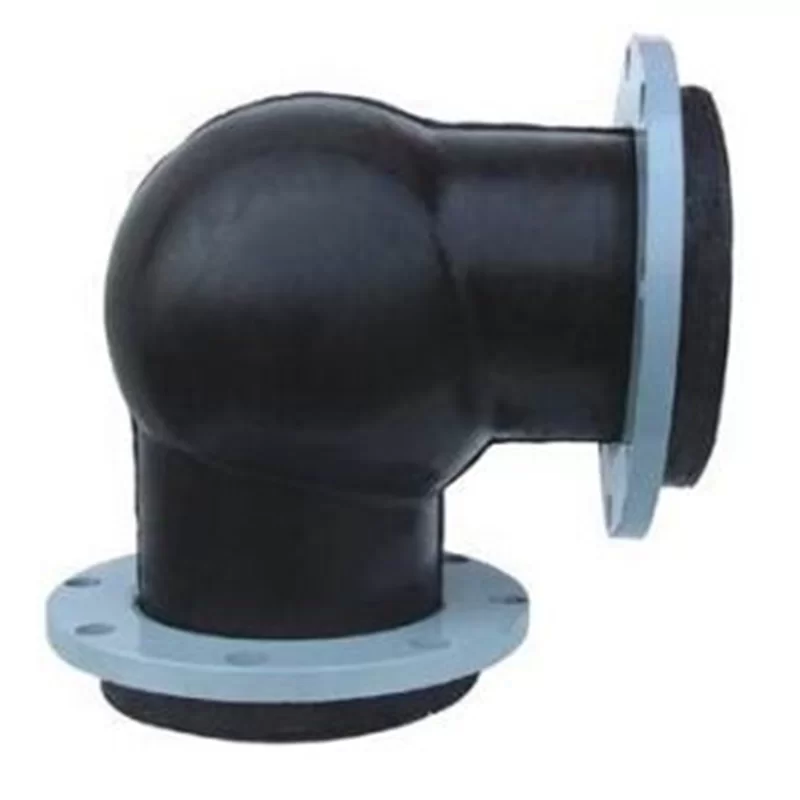
Rubber material: NR,EPDM,NBR,PTFE,FKM (different materials according to different media, see the final table for details).
Flange material: ductile iron, malleable steel, carbon steel, stainless steel, PVC, etc.
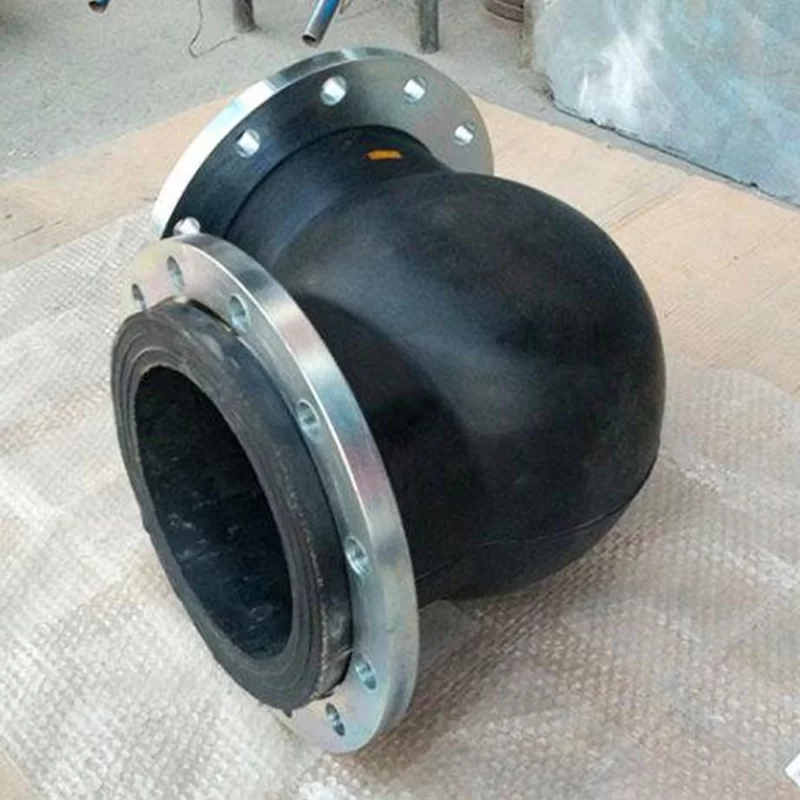
Rubber material: NR,EPDM,NBR,PTFE,FKM (different materials according to different media, see the final table for details).
Flange material: ductile iron, malleable steel, carbon steel, stainless steel, PVC, etc.
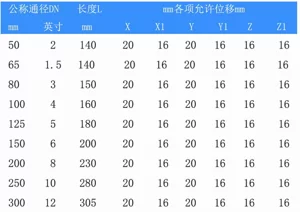
Each structure can be divided into three types according to its shape:
1.Concentric diameter: The inner diameter and outer diameter of the expansion joint are the same, forming a concentric shape.
2.Concentric reduction: The inner diameter and outer diameter of the expansion joint are different, forming a cone shape.
3.Eccentric reducing: the inner diameter and outer diameter of the expansion joint are different, and the center line of the joint is not aligned, forming an eccentric shape.
Connection form: The rubber expansion joint can be connected with the pipeline in different ways according to the specific use and requirements. Connection forms include:
1.Flange connection: both ends of the expansion joint with flanges, using bolts and pipe connection, safe and reliable connection.
2.Threaded connection: Both ends of the expansion joint are threaded and can be threaded with the pipe.
3.Clamp connection: The expansion joint can be clamped to the pipe using a hose clamp or other similar mechanism for quick and easy installation.
4.Threaded pipe flange connection: This type of connection combines threaded and flanged connections to provide versatility in mounting options.
Working pressure level: The rubber expansion joint has different working pressure levels to adapt to different system requirements and operating conditions. Working pressure levels are usually expressed in megapascals (MPa) and include various levels:
0.25 MPa/0.6 mpa/1.0 MPa/1.6 mpa/2.5 mpa/6.4 mpa
Other factors to consider when selecting the correct operating pressure level include the type of fluid being conveyed, the flow rate required, and the potential for future system expansion or modification. Potential consequences of exceeding operating pressure levels, such as system leaks, component failure, or safety hazards, must also be considered. Regular inspection and maintenance should be performed to monitor the performance of the system and ensure that the selected operating pressure level remains appropriate over time.
Mar 26,26
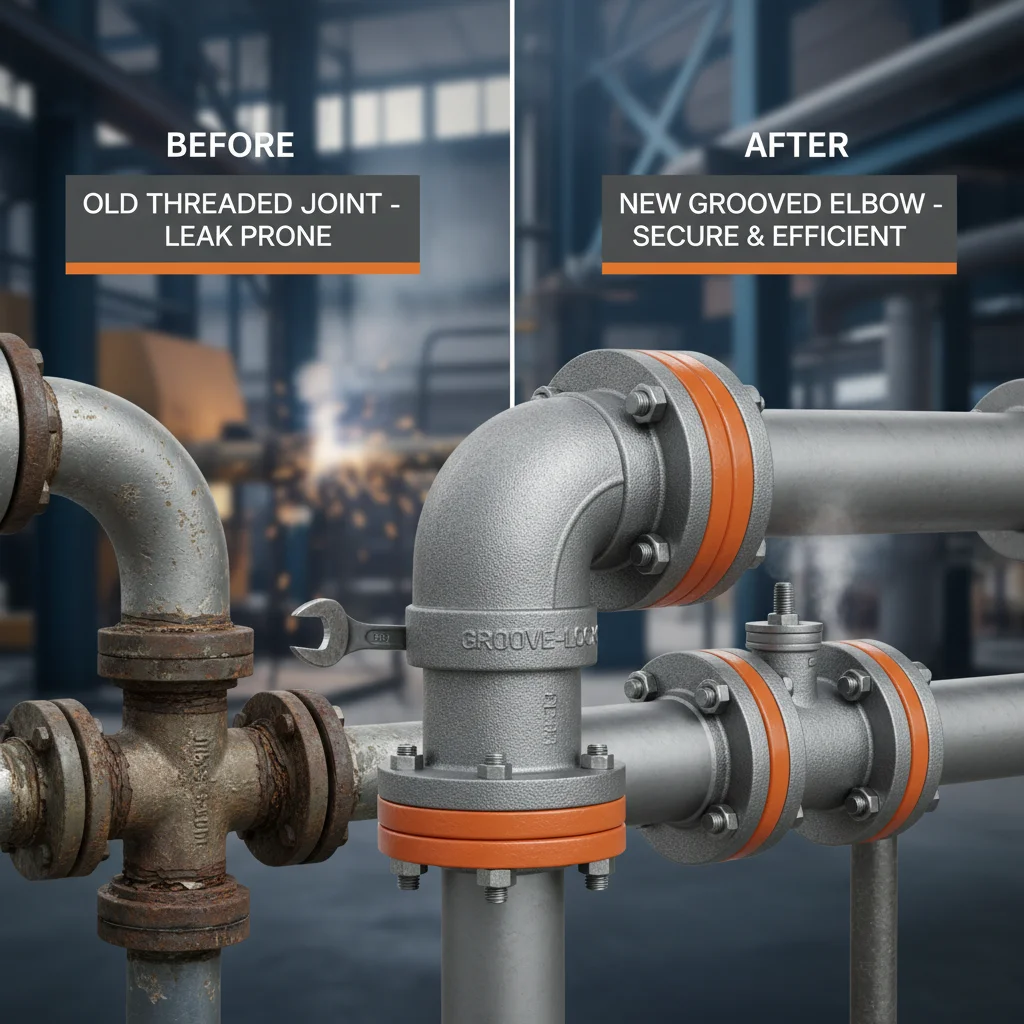
Comprehensive Guide to Grooved Threaded Elbows for Fluid Transfer Systems
Mar 30,26
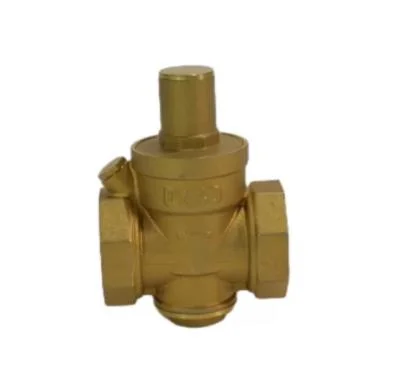
Future Leading Ball Valve Supplier From China for Global Pipeline Systems at Canton Fair 2026
Efficient flow control is at the heart of modern pipeline systems. Whether transporting water, natural gas, petrochemicals, or other industrial fluids, the reliability of valve components directly impacts system safety, operational efficiency, and maintenance costs.
Apr 24,26
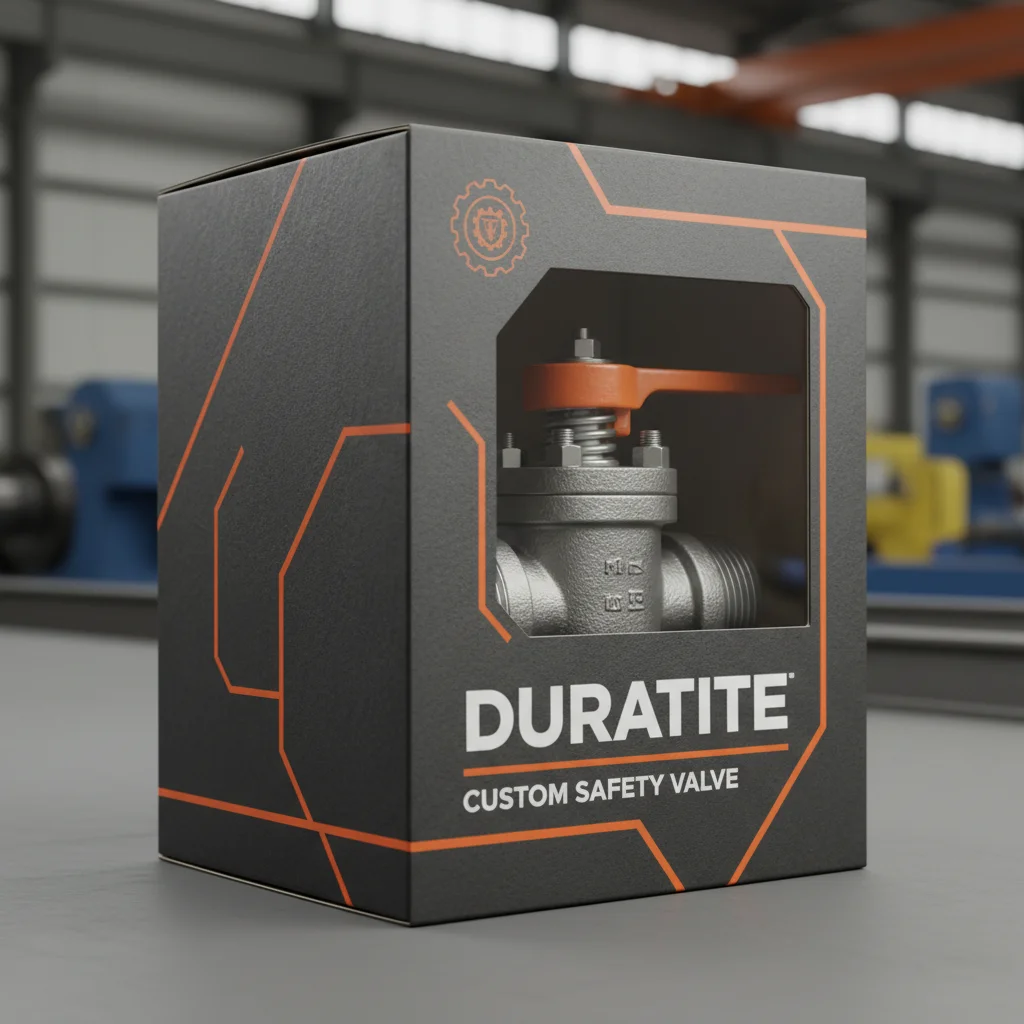
Industrial Pressure Relief and Custom Safety Valve Engineering
Mar 25,26
Reliable Grooved Rubber Gasket Solutions for Modern Piping Systems
May 01,26
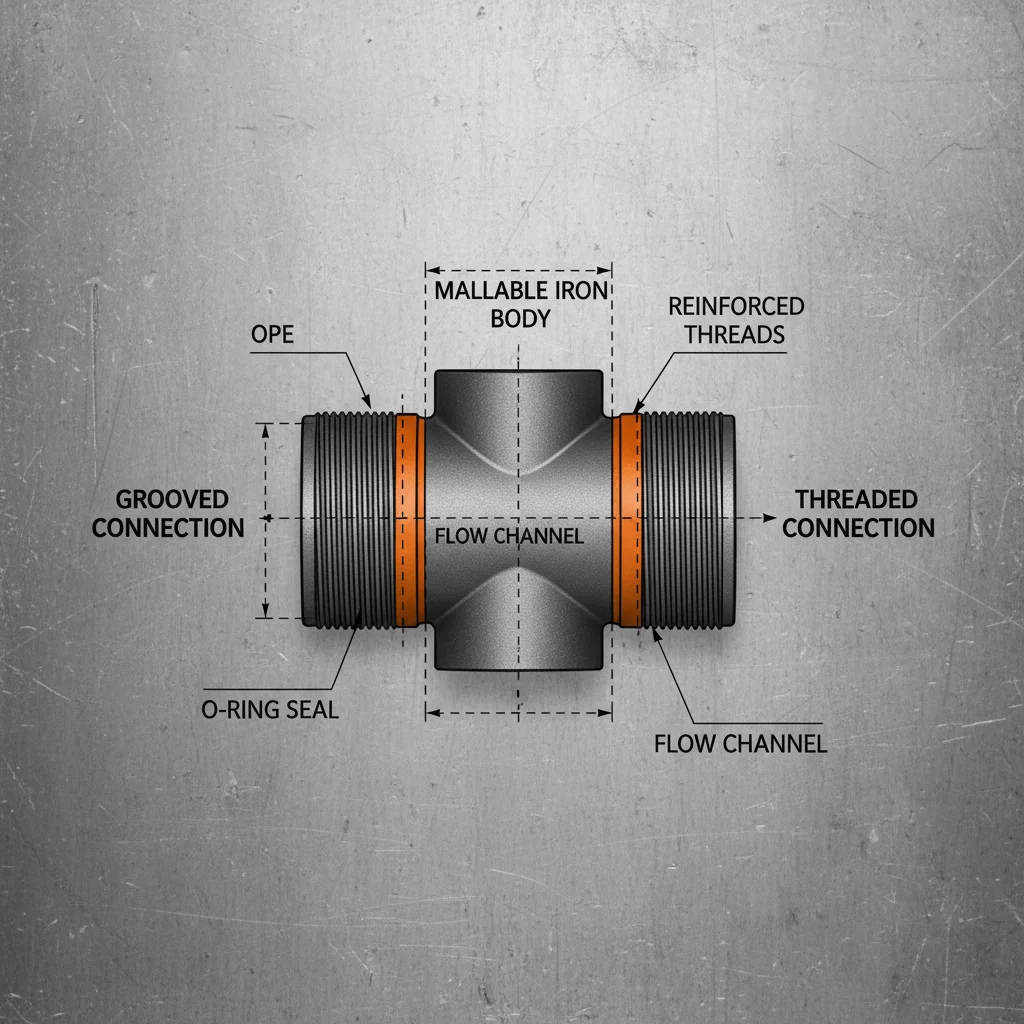
High Performance Custom Grooved Threaded Elbow Piping Solutions
Mar 31,26
Understanding the Benefits of Custom Grooved Rigid Coupling Systems
Stay Updated with Us